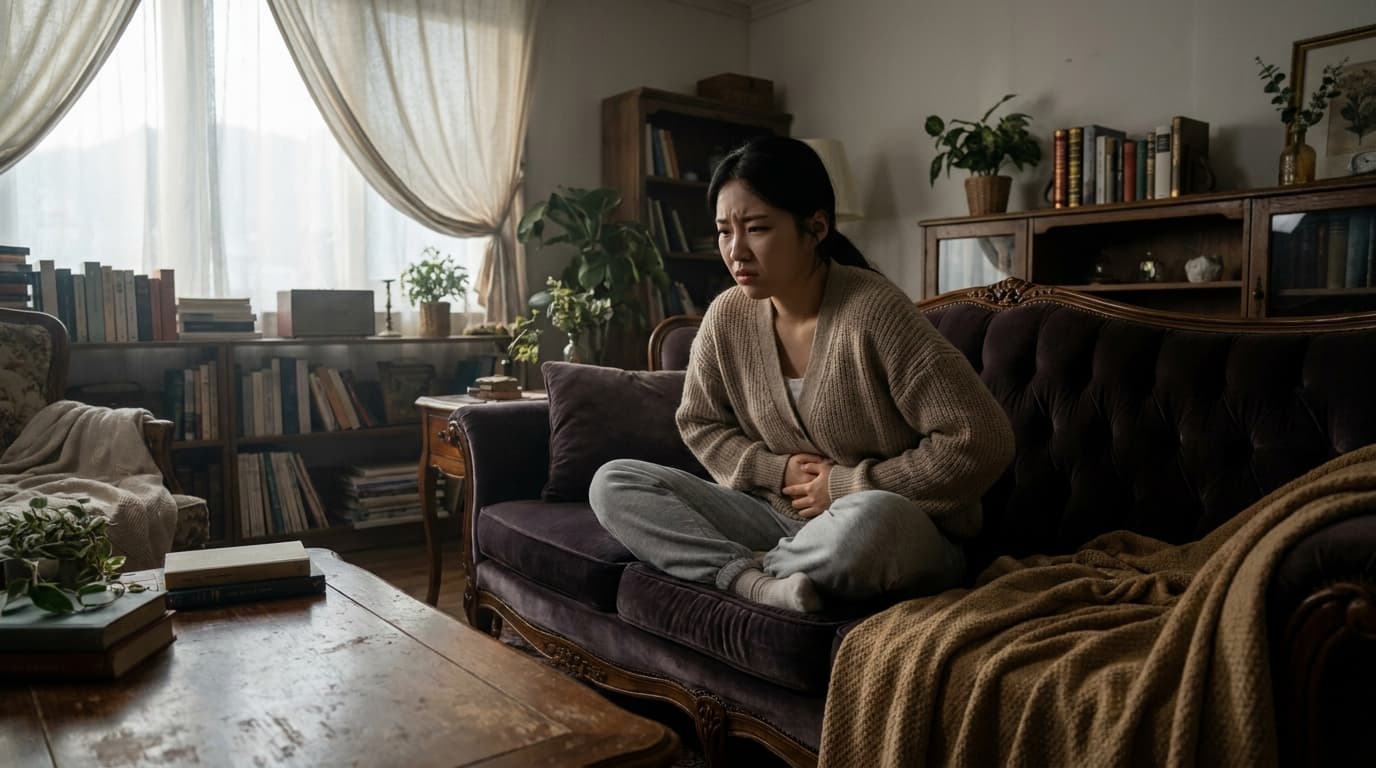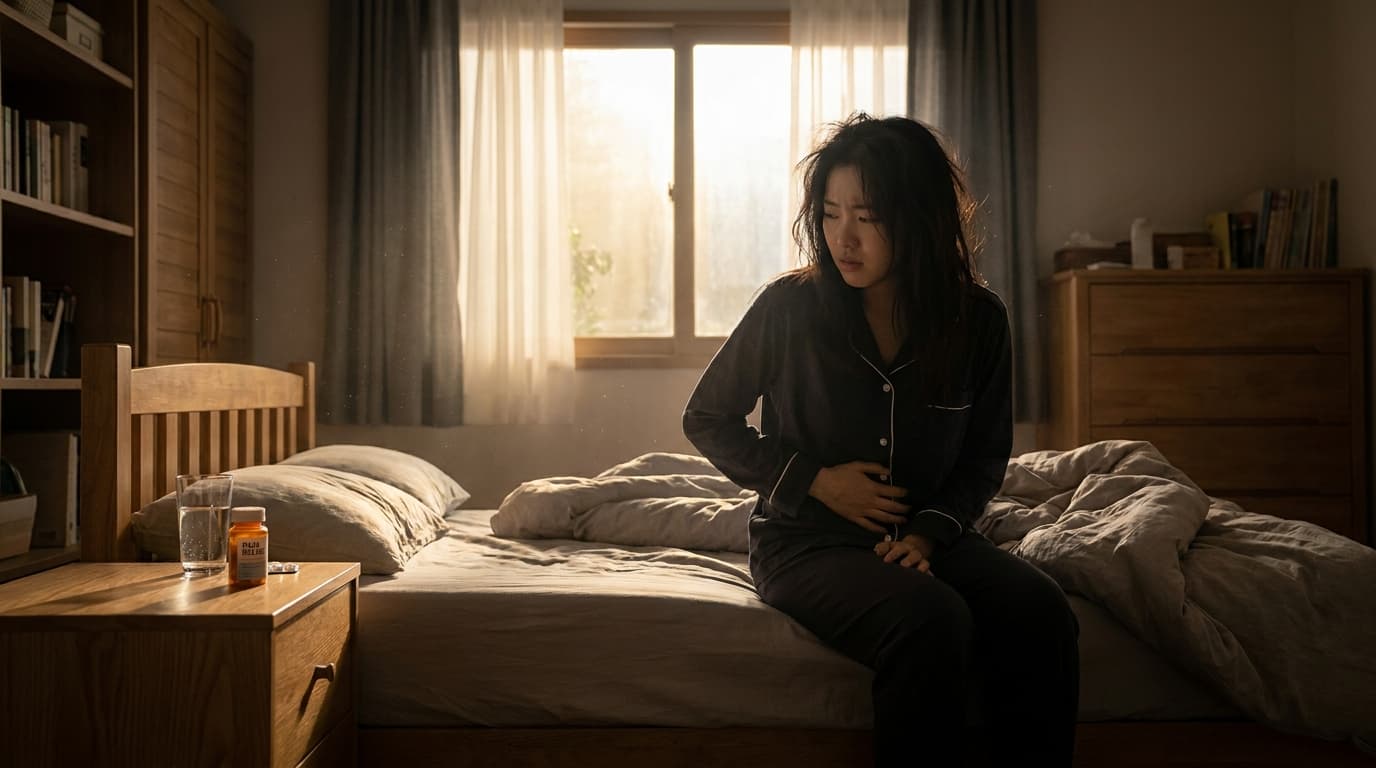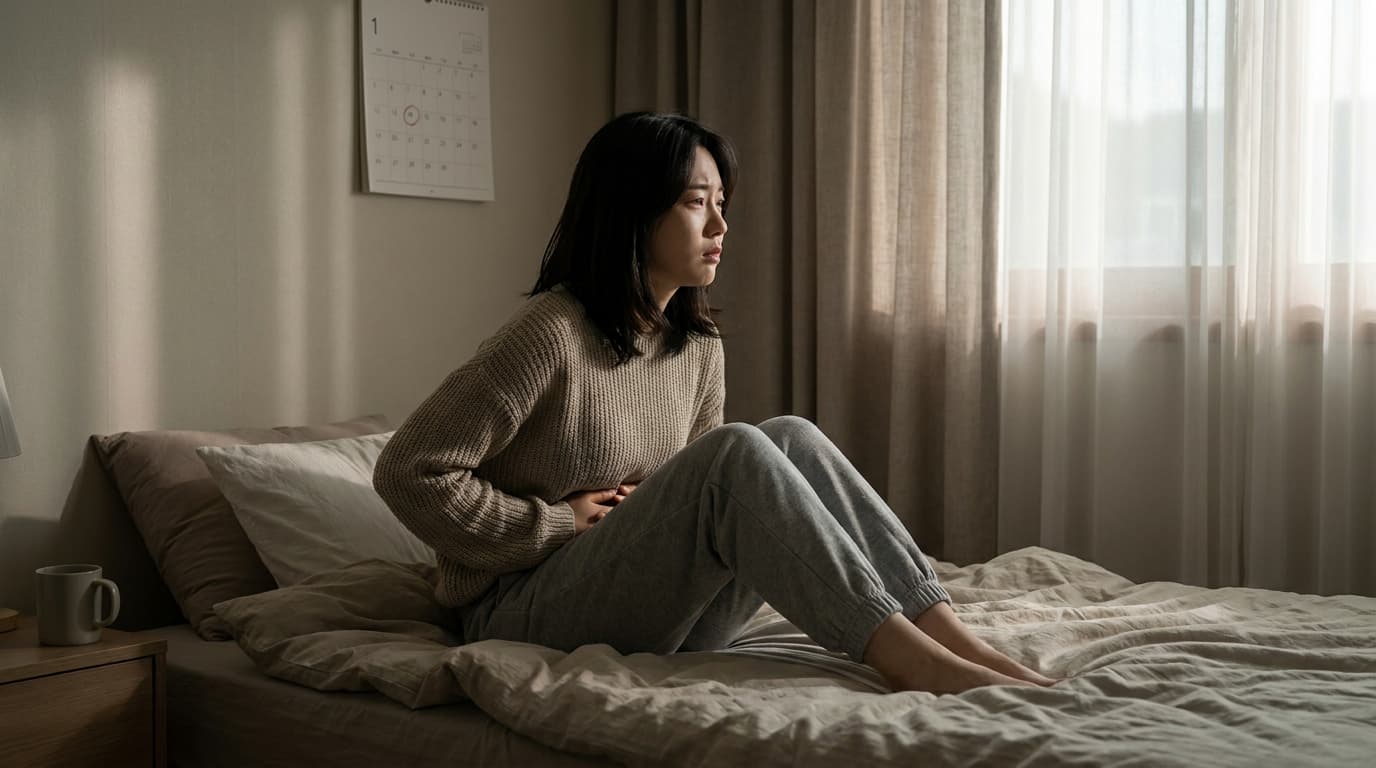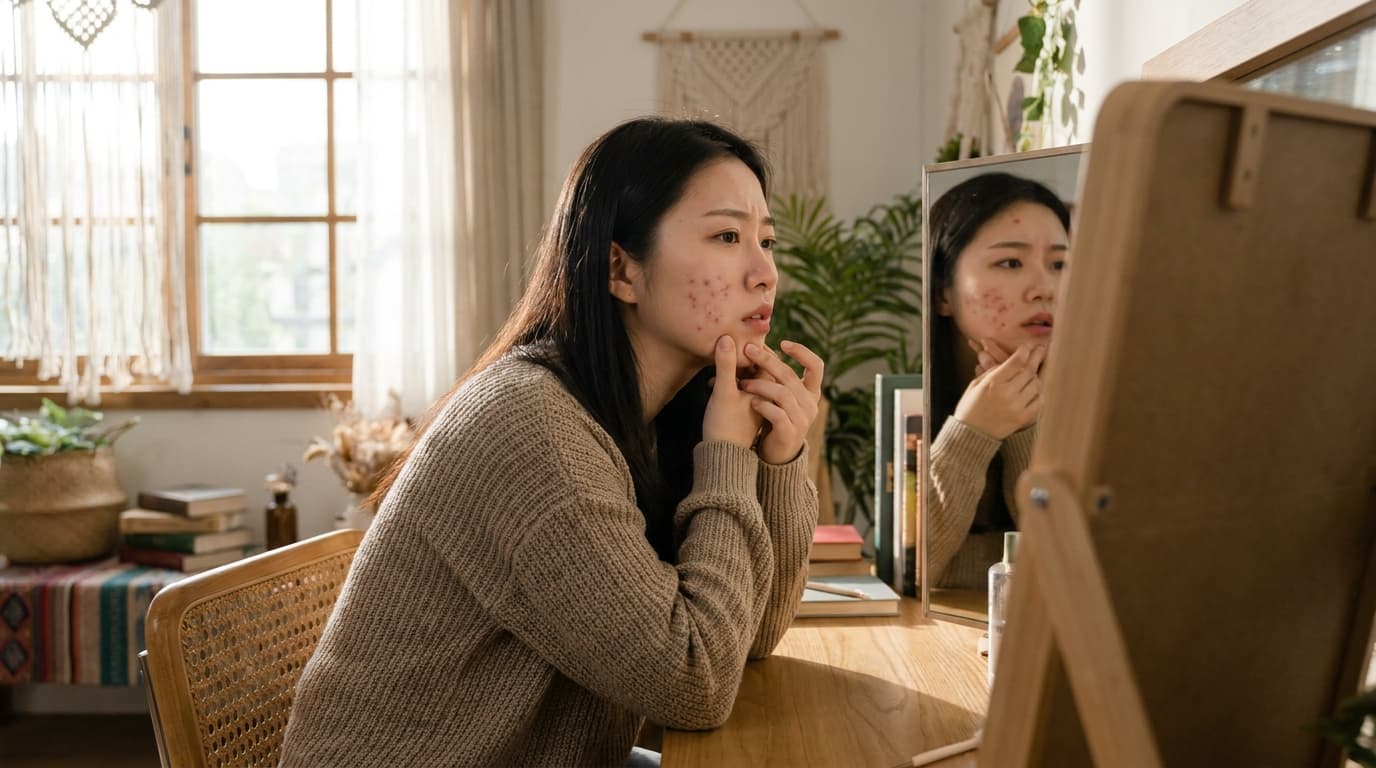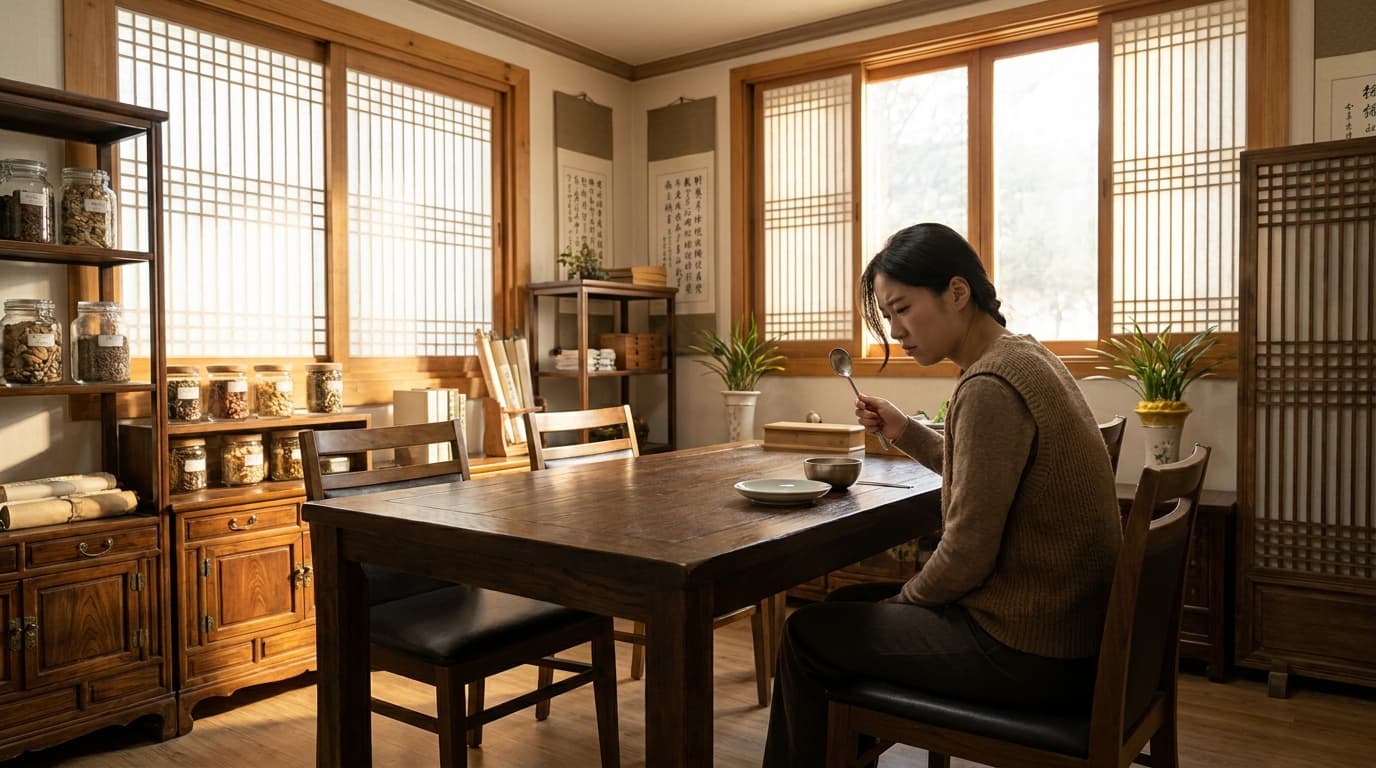
I have no appetite, Is it simple fatigue or a sign of stomach disease?
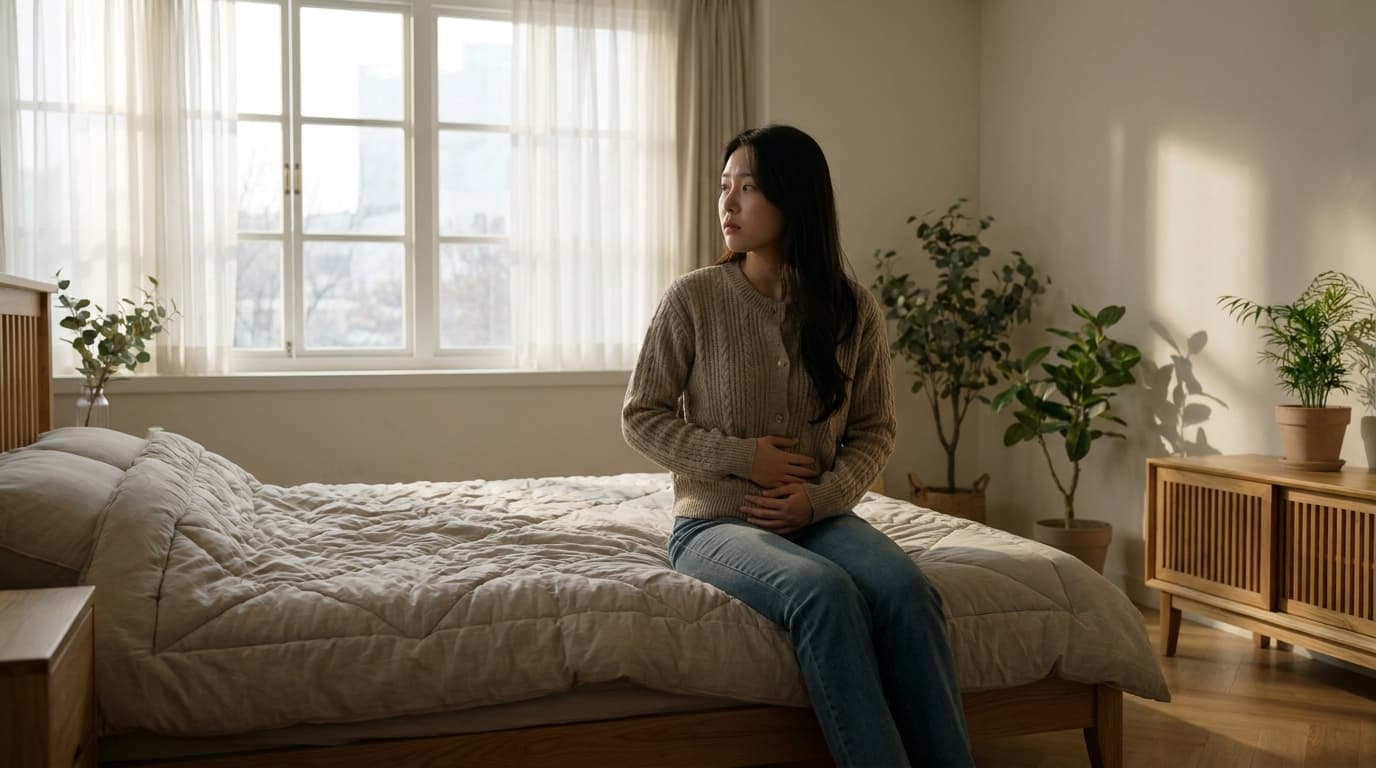
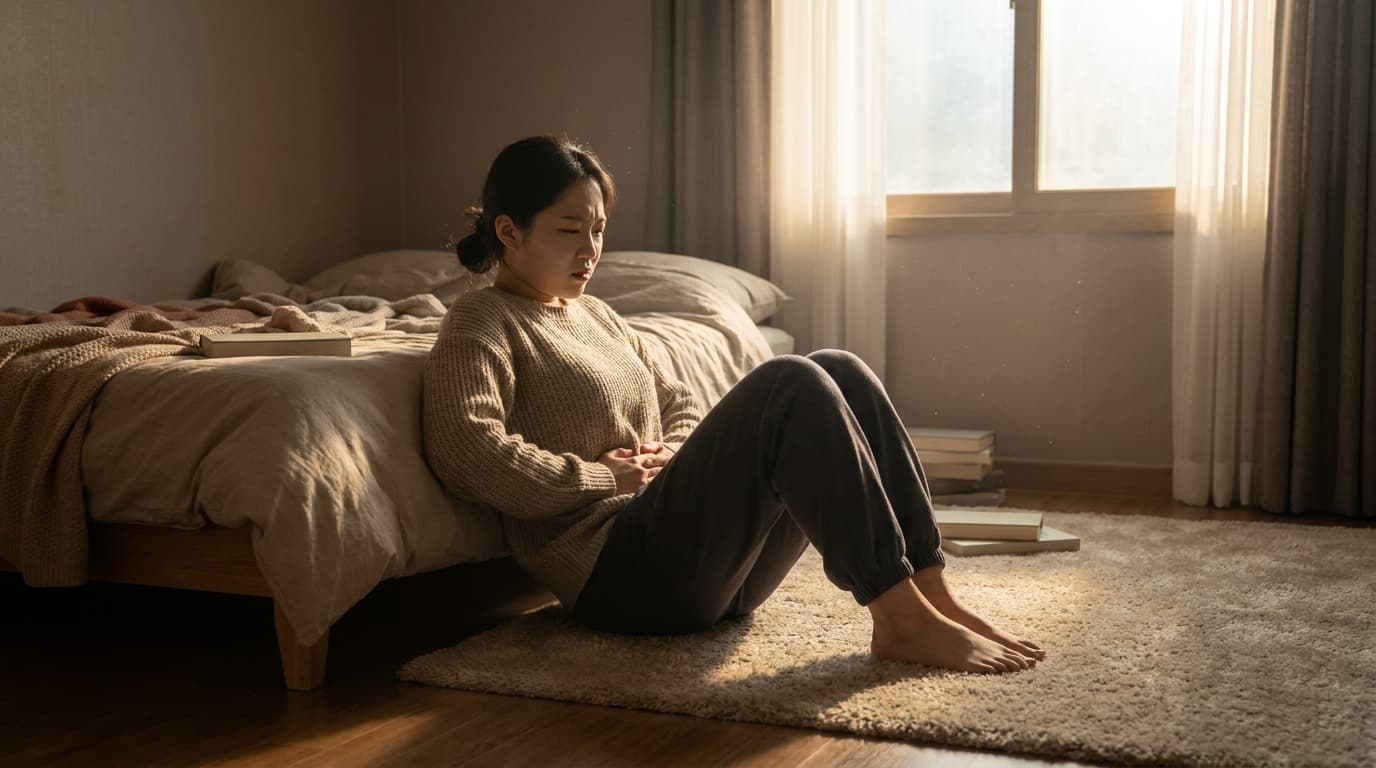
Hello, this is Dalimchae Korean Medicine Clinic. # I have no appetite, Is it simple fatigue or a sign of stomach disease? You have probably experienced a sudden loss of appetite at least once. It is easy to brush it off thinking it is just due to fatigue, but if the concern 'I have no appetite' persists for several days, it may not be something to simply overlook. This is because our body is sending honest signals. In particular, if loss of appetite persists even when medical tests show no special abnormalities, or if it appears along with chronic fatigue, you must keep open the possibility that a deeper cause than simple fatigue is hidden. The Songdo branch of Dalimchae Korean Medicine Clinic helps the body regain health on its own rather than merely alleviating symptoms by finding and resolving the root cause of poor appetite. 💡 **[Key Answer]** 3 most common causes of 'I have no appetite': ① **Stress and autonomic imbalance:** The connection between the brain and gut (gut-brain axis) becomes unstable, impairing digestive function. ② **Impaired stomach function and inflammation (Damjeok):** Waste accumulates on the stomach wall (Damjeok), hindering digestive juice secretion and peristalsis. ③ **Chronic fatigue and nutritional imbalance:** Body energy is depleted, lowering overall physical function and affecting the appetite center. Dalimchae Korean Medicine Clinic improves the gut environment and restores autonomic balance through **gut detoxification** treatment, helping you regain lost appetite and vitality. ## "I have no appetite" Tests are normal, why is that? Many people visit the hospital because they have no appetite and feel uncomfortable, only to hear that they are 'normal'. This is likely functional dyspepsia, which is difficult to find the cause of through modern medical tests. Functional dyspepsia refers to a condition where upper abdominal pain or discomfort chronically repeats without special organic problems. The brain and gut are closely connected through the autonomic nervous system. When we are stressed or tense, the balance of the autonomic nervous system breaks down, which immediately affects stomach function, inhibiting digestive enzyme secretion and slowing stomach peristalsis. If this situation continues, various digestive symptoms such as loss of appetite, heartburn, bloating, nausea, and abdominal distension appear. The body keeps turning on warning lights, but the vicious cycle of failing to find the cause and increasing frustration repeats. ## The real causes of poor appetite from a Korean medicine perspective, 'Damjeok' and 'Biheo' In Korean medicine, lack of appetite, i.e., anorexia, is not simply viewed as a stomach problem. It is considered an important cause when the 'Spleen and Stomach (脾胃)' responsible for our body's digestive function is weakened ('Biheo'), or when waste accumulates on the outer wall of the stomach, lowering stomach function ('Damjeok' syndrome). Damjeok means that undigested food waste damages the stomach mucosa and hardens on the outer wall of the stomach, which hinders the normal movement and digestion/absorption functions of the stomach, causing chronic indigestion along with loss of appetite. When this Damjeok becomes severe, it can be accompanied by various symptoms such as systemic fatigue, headache, dizziness, heartburn, and abdominal distension beyond mere indigestion. In addition, when the body's overall energy is depleted due to chronic fatigue, the functions of all organs including the digestive organs decrease, resulting in loss of appetite. In particular, stress and fatigue are the main culprits that disturb the autonomic nervous system and further intensify these problems. ## How does Korean medicine treatment contribute to the recovery of appetite and stomach function? Dalimchae Korean Medicine Clinic finds the root cause of loss of appetite and provides customized treatment for each individual. Herbal medicine and acupuncture treatments go beyond simple symptom relief, showing excellent effects in strengthening stomach function and restoring overall physical condition. A study by the research team of Professors Park Jae-woo and Go Seok-jae of Gangdong Kyung Hee University Korean Medicine Hospital published in the **Journal of Alternative and Complementary Medicine** in 2016 showed that as a result of conducting individualized acupuncture treatment a total of 8 times over 4 weeks for 76 adult men and women complaining of functional dyspepsia, indigestion symptoms (abdominal discomfort, heartburn, postprandial fullness, etc.) in the treatment group improved by about 60% compared to the control group that received no treatment, and the effect was confirmed to persist even 4 weeks later (p\<0.05). The researchers concluded that these results show that individualized acupuncture treatment has a significant effect on symptom improvement and quality of life enhancement in patients with functional dyspepsia. These studies suggest that Korean medicine treatment contributes to fundamental stomach function recovery beyond simple symptom alleviation. In addition, in a meta-analysis study by Professor Go Seok-jae of Gangdong Kyung Hee University Hospital published in the **Journal of Gastroenterology and Hepatology** in 2020, analyzing 52 randomized controlled trials (a total of 5475 patients), when Yukgunjatang (herbal prescription) was used alone or in combination with Western medical treatment, the treatment effect increased by up to 25% and the recurrence rate decreased by up to 50% compared to single treatment. In particular, Yukgunjatang had the effect of improving gastrointestinal motility and increasing digestive hormone secretion. Furthermore, research teams including Professor Son Chang-gyu and Korean medicine doctor Kim Seul-gi of Daejeon University Daejeon Korean Medicine Hospital published in **Frontiers in Pharmacology** in 2021 revealed the mechanism by which Banhasasimtang, prescribed for stress-related digestive diseases, increases the ghrelin hormone concentration in the stomach to stimulate appetite and improve indigestion. These studies support that the gut detoxification treatment pursued by Dalimchae Korean Medicine Clinic is effective in restoring stomach function and enhancing appetite based on scientific evidence. Based on these data, Dalimchae Korean Medicine Clinic helps you regain the vitality of your digestive engine through **gut detoxification** treatment, which goes beyond simply emptying the stomach to detoxify toxins accumulated in the gut wall and help restore the stomach mucosa. We remove unnecessary waste (Damjeok) in the body, balance the gut-brain axis connecting the gut and brain, increase digestion and absorption rates, and strengthen immunity. In this process, not only loss of appetite but also related diseases such as chronic fatigue, reflux esophagitis, and irritable bowel syndrome can be improved together. The Songdo branch of Dalimchae Korean Medicine Clinic believes that actively caring for the body's signals without ignoring them is the beginning of a healthy life. ## Check yourself? Loss of appetite & Indigestion self-checklist Check if any of the following items apply to you. * Recently, I have no appetite and my food intake has decreased significantly. * My stomach always feels bloated and stuffy after meals. * I frequently feel gas in my stomach and bloating. * When I eat, I feel nauseous or feel like digestion is not going well. * I am chronically tired and do not feel refreshed even after sleeping. * When I worry or get stressed, my digestion gets worse. * I have problems with bowel activity such as constipation or diarrhea. * My weight decreased without a special reason. **Criteria:** * **If 3 or more apply:** Impaired stomach function and autonomic imbalance are suspected. Consider visiting a Songdo indigestion Korean medicine clinic for precise diagnosis and complex Korean medicine treatment. * **If 5 or more apply:** The possibility of serious stomach problems and systemic functional decline is high. We recommend starting professional examination and treatment through immediate visit. ## FAQ: No appetite, I'm curious about this! **Q. How long should a lack of appetite last before I should go to the hospital?** A. Loss of appetite due to temporary fatigue usually recovers within a few days. However, if lack of appetite persists for 1-2 weeks or more, or if symptoms such as weight loss, abdominal pain, vomiting, and chronic fatigue are accompanied, it is important to visit a Songdo loss of appetite Korean medicine clinic to accurately diagnose the cause and start treatment. **Q. Can a lack of appetite due to neurosis be treated with Korean medicine?** A. Yes, it is possible. Neurotic loss of appetite is mainly caused by autonomic imbalance due to stress. Dalimchae Korean Medicine Clinic reduces overload on the nervous system and smooths communication between the brain and gut through herbal medicine prescriptions and acupuncture treatments that help stabilize the autonomic nervous system, helping you regain lost appetite. **Q. Can a lack of appetite heal naturally?** A. Depending on the cause, it may recover naturally in some cases, but if chronic stomach problems or autonomic imbalance are the cause, it is difficult to improve on its own. If left untreated, nutritional imbalance and chronic fatigue will worsen and lead to other diseases, so it is desirable to recover health through active treatment. **Q. I have no appetite and I'm tired, can these be treated together with Korean medicine?** A. Yes, Dalimchae Korean Medicine Clinic values the balance of the whole body. Loss of appetite and chronic fatigue are often connected problems. By strengthening stomach function and replenishing systemic energy through gut detoxification treatment, we simultaneously improve both symptoms to help you regain body vitality. Loss of appetite is not a problem that can be solved by enduring it. You no longer need to ignore the body's signals you have sent for a long time. If you approach it in the right direction, your body reacts faster than you think. Bring the symptoms you are experiencing as they are. The Songdo branch of Dalimchae Korean Medicine Clinic will find the cause together. Where life blooms. Herbal medicine is Dalimchae Korean Medicine Clinic. Check symptoms similar to yours first through the AI consultation on the Dalimchae Korean Medicine Clinic website! This article is health information organized together by Dalimchae medical staff based on questions actually received often in the consultation room. Medical Supervision | Department of Neurology & Autonomic System, Songdo Branch of Dalimchae Korean Medicine Clinic, Korean Medicine Doctor Oh Hyun-min
Fertility & Postpartum