
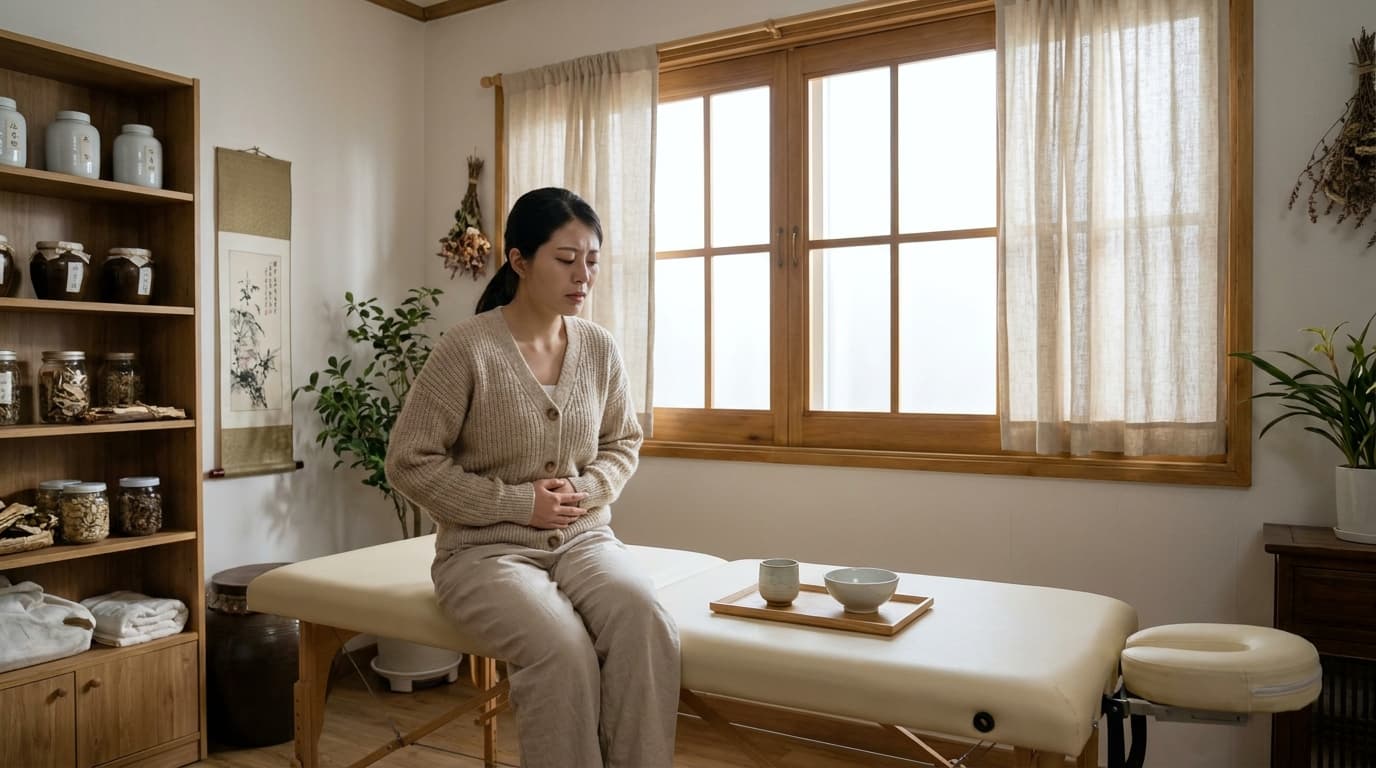
I have no appetite Is it Damjeok disease
Hello, this is Dalimchae Korean Medicine Clinic. # I have no appetite at all, could it be due to Damjeok disease? People who say "I have no appetite at all" go beyond simply lacking an appetite; they experience extreme discomfort where eating itself is painful or even smelling food is repulsive. Have you ever experienced a strong desire to eat deliciously, but when you actually try to eat, your stomach feels bloated and stuffy, forcing you to put down your spoon? If this loss of appetite persists, it can lead to nutritional imbalance, lowered energy, and general health deterioration, so it should never be lightly overlooked. 💡 **[Key Answer]** Top 3 most common causes of "I have no appetite at all": ① Lack of digestive enzymes / ② Decreased stomach peristalsis / ③ Gut-brain axis imbalance (autonomic imbalance). Dalimchae Korean Medicine Clinic helps restore your appetite by improving stomach function and removing bodily waste through gut detoxification treatment. ## The reason for losing appetite is not just simple stress Many people think the cause of loss of appetite is simply stress or temporary fatigue. Of course, stress and fatigue affect the autonomic nervous system, impairing digestive function and reducing appetite. However, if the symptom of "having no appetite at all" persists for a long time, it is worth considering 'Damjeok disease', where waste products called Dam-eum accumulate on the outer wall of the stomach, hardening the stomach. Damjeok disease often shows no special abnormalities in endoscopy tests, making it a main culprit of unexplained chronic indigestion. When stomach peristalsis weakens, food is not properly digested and stays in the stomach for a long time, causing the brain to send appetite suppression signals. This is also closely connected to the imbalance of the 'Gut-Brain Axis'. ## How does Damjeok disease cause loss of appetite and indigestion? Damjeok disease refers to a state where abnormal waste accumulates on the outer wall of the gastrointestinal tract, lowering stomach function. This waste slows down stomach movement, hinders the digestion and absorption of food, and ultimately leads to decreased appetite. Undigested food residues act as toxins that damage the gut barrier, and these toxins can spread through the blood to the whole body and cause chronic inflammation. In this process, problems also occur in the communication between the stomach and brain, causing the brain to fail to properly perceive the desire for food. Research results by the research team of Makoto Arai at Chiba University in Japan, introduced in Minjok Medical News in 2014, provide an important clue to uncovering the effect of herbal medicine on improving loss of appetite. In this study published in 「Journal of Gastroenterology」 in 2009, 21 healthy adults were administered Yukgunja-tang for 2 weeks, and it was confirmed that the plasma acyl-ghrelin concentration, an appetite-regulating hormone, significantly increased at 2 and 6 weeks compared to before administration (p\<0.01). In particular, the ghrelin concentration increase effect appeared to last for at least 4 weeks even after administration ended. The researchers concluded that Yukgunja-tang stimulates appetite by regulating hormone mechanisms related to loss of appetite. These research data serve as an important basis for Dalimchae Korean Medicine Clinic's treatment philosophy of restoring stomach function and boosting appetite through gut detoxification. It focuses on reviving the natural digestion-metabolism function of our body rather than simply using appetite suppressants. ## Chronic loss of appetite, reviving stomach function with Korean medicine treatment Chronic gastrointestinal discomfort and loss of appetite that are difficult to find even through endoscopy are areas where Korean medicine treatment excels. Dalimchae Korean Medicine Clinic Songdo branch conducts customized treatments to find and solve the root cause of loss of appetite. In particular, acupuncture treatment is effective in increasing gastrointestinal motility and regulating autonomic nervous system balance to improve digestive function. In fact, according to the joint research results of Professor Jae-woo Park and Seok-jae Go's Korean Medicine Gastroenterology team at Gangdong Kyung Hee University and Professor Kuo's Gastroenterology team at Harvard Medical School reported in Electronic Newspaper in 2015, conducting acupuncture treatment a total of 8 times over 4 weeks for 76 functional dyspepsia patients resulted in a 60% symptom improvement rate in the treatment group. In particular, symptoms such as upper abdominal discomfort, heartburn, postprandial fullness (gas), and belching improved significantly, showing that acupuncture treatment has established an objective basis for the treatment of functional dyspepsia. These results suggest that Korean medicine treatment can have a positive effect on digestive diseases accompanied by loss of appetite. The **gut detoxification** treatment at Dalimchae Korean Medicine Clinic Songdo branch does not stop at simple symptom relief. According to the Korean medicine perspective that toxins accumulated in the gut barrier travel through the blood to create systemic inflammation and affect the gut-brain axis to induce loss of appetite, the goal is to remove bodily waste and toxins, restore the damaged gut barrier, and normalize digestion and absorption functions. This helps naturally promote appetite by restoring the balance of systemic health as well as the stomach. In addition, it balances the autonomic nervous system to improve stomach function decline caused by excessive stress and creates an environment where the body can recover on its own. Such treatments can also have a positive effect on related diseases such as reflux esophagitis and irritable bowel syndrome. ## Loss of appetite self-diagnosis checklist If 3 or more of the following items apply to you, you may consider the gut detoxification treatment at Dalimchae Korean Medicine Clinic Songdo branch. * I have had no appetite at all for the past month or the frequency of skipping meals has increased. * Even eating a little bit makes my stomach feel stuffy, bloated, and like I am stuck. * Just smelling food makes me feel disgusted or nauseous. * Upper abdominal pain or discomfort after meals is frequent, and digestion is poor, making my stomach always heavy. * I lost weight without a special reason, feel weak, and get tired easily. * Irregular bowel activity (constipation or diarrhea) often accompanies. * I was diagnosed with no special abnormalities in stomach endoscopy. **If 3 or more apply:** Suspected stomach function decline type loss of appetite due to Damjeok disease. Consider precise diagnosis and complex Korean medicine treatment at Dalimchae Korean Medicine Clinic Songdo branch. **If 5 or more apply:** This is a stage requiring immediate stomach function recovery treatment. A visit is recommended. ## FAQ: Frequently asked questions about loss of appetite **Q. How long can loss of appetite last?** A. Loss of appetite varies from temporary cases lasting a few days to chronic cases lasting months or even years, depending on the cause. Especially if fundamental causes like Damjeok disease or autonomic imbalance are not resolved, symptoms can be prolonged. **Q. Should I force myself to eat when I have no appetite?** A. Forcing yourself to eat a large amount when you have no appetite can actually put a burden on the stomach and further lower digestive function. It is important to consume small amounts regularly, of soft and easily digestible foods, and it is good to accompany treatment to recover appetite with the help of a specialist. **Q. I am curious why indigestion and loss of appetite appear together.** A. Indigestion and loss of appetite share the common feature that decreased stomach function is the main cause. When food is not properly digested and stays in the stomach for a long time, our body sends appetite suppression signals refusing additional food intake, which is why both symptoms often appear together. This is deeply related to problems on the outer wall of the stomach, especially Damjeok disease. **Q. If I am looking for loss of appetite Korean medicine treatment in Songdo, where should I go?** A. If you are looking for a Songdo loss of appetite Korean medicine clinic, visit Dalimchae Korean Medicine Clinic Songdo branch. We help you find the root cause of loss of appetite according to individual constitution and symptoms, and recover healthy appetite through gut detoxification treatment. Loss of appetite, described as "having no appetite at all," is not a problem solved by enduring it. You no longer have to ignore the body signals sent for a long time. If approached in the right direction, the body responds faster than you think. Bring the symptoms you are experiencing as they are. Dalimchae Korean Medicine Clinic will find the cause together. Where life blooms. Herbal medicine is Dalimchae Korean Medicine Clinic. Check symptoms similar to yours first through the AI consultation on the Dalimchae Korean Medicine Clinic website! This article is health information organized together by Dalimchae medical staff based on questions actually received often in the consultation room. Medical Supervision | Department of Digestion & Intestine, Songdo Branch of Dalimchae Korean Medicine Clinic, Korean Medicine Doctor Hyun-min Oh (Appetite Problem Column)