
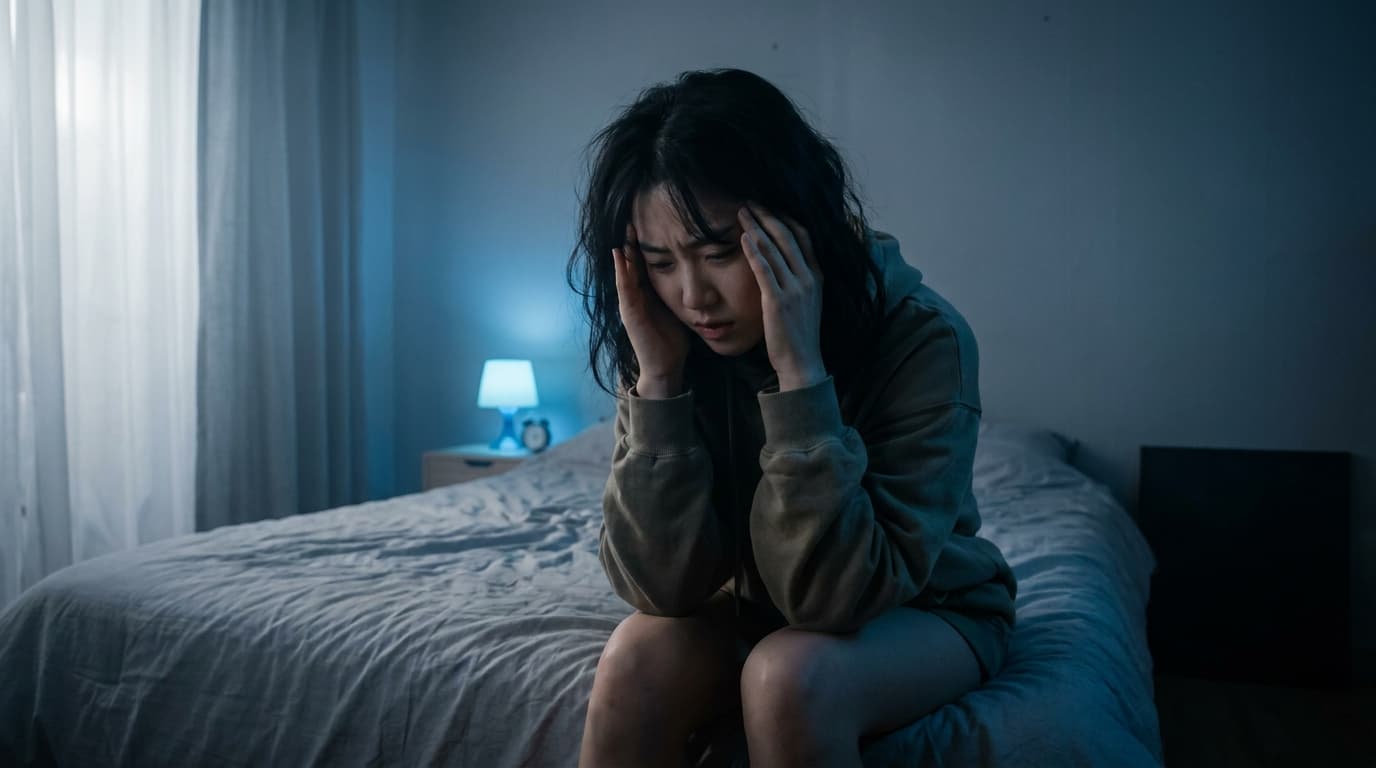
머리 아픈데 혹시 뇌 문제일까요? 두통, 제대로 알고 치료해야 합니다.
Hello, this is Dalimchae Korean Medicine Clinic. # Is It a Brain Problem When My Head Hurts? Headache Must Be Properly Understood and Treated. A sharp and throbbing pain, a feeling of pressure like the head is splitting, or even a dull discomfort. Many people have worried at least once in their lives, "Is it a brain problem when my head hurts?" Especially when headaches repeat frequently or become severe, people often fall into anxiety wondering if it is due to simple fatigue or a warning sign of a serious brain disease such as a brain tumor. Even after getting tests, many people feel frustrated because they only hear "there is no abnormality." However, such worries and anxiety can rather be factors that worsen headaches. We must properly understand the cause of headaches, reduce unnecessary worries, and start necessary treatments. 💡 **[Key Answer]** 3 most common causes for the question **"Is it a brain problem when my head hurts?"**: ① **Autonomic nervous system imbalance:** Caused by the breakdown of sympathetic and parasympathetic nerve balance due to stress, overwork, lack of sleep, etc. ② **Muscle tension:** Caused by excessive tension in the muscles around the cervical spine, such as neck and shoulders, leading to the head. ③ **Lifestyle habits:** Irregular meals, excessive caffeine, and overuse of electronic devices induce or worsen headaches. Dalimchae Korean Medicine Clinic resolves the root cause of headaches through **autonomic stabilization** and creates an environment where the brain can rest. ## Brain Problem Headache, How Is It Different from General Headaches? "Could there be a brain problem with me?" This anxiety is the most common mental problem complained of by headache patients. Most headaches are primary headaches, where there is rarely a structural problem in the brain itself. However, rarely it may be a symptom of a serious brain disease such as a brain tumor or cerebral hemorrhage, so it is important to pay attention to changes in headache patterns. The characteristics of headaches suspected of having brain problems are as follows. While general headaches or migraines tend to show predictable patterns, headaches related to brain diseases continuously worsen over time and tend not to respond well to pain relievers. Also, sudden and severe headaches reaching effective intensity within 1 minute, severe morning headaches waking up from sleep, or headaches worsening with coughing or postural changes should be noted as they can be related to increased intracranial pressure. These headaches are often accompanied by neurological symptoms such as visual changes, seizures, weakness or numbness in parts of the body, language disorders, balance abnormalities, and sudden cognitive and personality changes. If these symptoms appear along with headaches, do not dismiss them as simple headaches and identify the exact cause through precise examination. ## Even Though Tests Say 'Normal', Why Does My Head Keep Hurting? It Is a Problem of the Autonomic Nervous System. Many people undergo brain imaging tests such as MRI or CT due to headaches, but are frustrated after receiving a diagnosis of "no abnormality." However, the cause of headaches not found by imaging tests is likely in the 'autonomic nervous system' of our body. The autonomic nervous system plays an essential role in maintaining life, such as heartbeat, respiration, digestion, blood pressure, and body temperature regulation, regardless of our will. When the balance of this autonomic nervous system, that is, the harmony between the sympathetic and parasympathetic nerves, is broken, the brain is excessively activated or conversely its function decreases, inducing various headaches. Modern people's chronic stress, irregular lifestyle, lack of sleep, etc., easily disturb the autonomic nervous system. Especially when the sympathetic nerve is excessively hyperactive, blood vessels around the head contract and muscle tension worsens, leading to chronic tension-type headaches or migraines. Throbbing headaches may also appear due to smooth contraction and relaxation regulation of cerebral blood vessels being disrupted. In Korean medicine, this autonomic imbalance is interpreted from various perspectives such as 'simsinbulgyo (心腎不交)' or 'ganyangsanghang (肝陽上亢)', and focuses on restoring the body's homeostasis. ## When the Balance of the Autonomic Nervous System Collapses, the Brain Cannot Rest. The autonomic nervous system is like the engine of our body. If this engine overheats too much or fails to operate properly, abnormal signals appear throughout the body, the most common of which is headache. Dalimchae Korean Medicine Clinic finds and solves the root cause of headaches from the imbalance of the autonomic nervous system. In a study published in a journal indexed in PubMed in 2008, the effect of acupuncture treatment on autonomic nerve function was investigated targeting 30 migraine patients. As a result of the study, in the patient group where clinical migraine attacks decreased by more than 50% after acupuncture treatment, the low frequency (LF) power of heart rate variability (HRV) showed a decreasing pattern. This is related to the decrease in sympathetic nerve activity, suggesting that acupuncture treatment can contribute to migraine relief by regulating autonomic nervous system balance. Also, in a study published in the journal <Evidence-Based Complementary and Alternative Medicine> in 2012, the effect of herbal medicine treatment was evaluated targeting 132 chronic tension-type headache patients. As a result of 12 weeks of follow-up observation, patients' average headache scores significantly decreased by 25~40% compared to before treatment, headache occurrence days decreased by 6.8~9.5 days, and the duration of each attack was also significantly shortened (p \< 0.05). Especially, at the 12-week time point, a statistically significant improvement was confirmed, such as a 56.6% decrease in painkiller intake days (p \< 0.05, p \< 0.01). The researchers concluded that these results show that herbal medicine treatment can be clinically useful for improving symptoms in chronic tension-type headache patients. Based on these data, Dalimchae Korean Medicine Clinic focuses not on viewing headache merely as a 'headache symptom', but on correcting the disturbed balance of the autonomic nervous system and the environment where the brain cannot rest. Lowering the heat of the nervous system and creating an environment where the brain can rest—in Korean medicine, this is called suseunghwahang (水昇火降)—resolves the heat and pressure gathered in the head, regains mental and physical stability, and treats the root cause of headache. Many people visiting Songdo Headache Korean Medicine Clinic due to chronic headaches are regaining overall health beyond simple symptom relief through such autonomic stabilization treatment. ## Headache, Now Properly Manage It at Songdo Dalimchae Korean Medicine Clinic. Headache is painful in itself, but it often appears together with other autonomic nervous system symptoms such as dizziness, insomnia, and anxiety. Because these symptoms influence each other and form a vicious cycle, treatment at a Songdo Korean medicine clinic approaching from an integrated perspective can be effective. Dalimchae Korean Medicine Clinic helps you regain autonomic balance and a healthy life without headaches through various integrated Korean medicine treatments such as herbal medicine, acupuncture, pharmacopuncture, and Chuna tailored to each patient's constitution and symptoms. ### Headache Self-Checklist: Could I Also Have Autonomic Headache? If 3 or more of the following items apply to you, you can suspect headaches due to autonomic imbalance. If 5 or more apply, active integrated Korean medicine treatment is reviewed and immediate visit is recommended. * When stressed, my head hurts more. * Even after sleeping enough, I don't feel refreshed, and rather headaches seem to worsen. * Digestion is poor, or chest frequently feels stuffy. * Neck and shoulders are always stiff, and trapezius muscles are bound. * The back of the neck is stiff and pulling frequently. * Feel anxious, nervous, and easily tense. * Hands and feet are cold, or conversely, feeling a sense of heat. * Heart beats rapidly or breathing is breathless without special reason. * Eyes frequently tired and feeling vision blurring. ### FAQ: Headaches and Brain Problems, Answering Your Questions. **Q. How common are headaches caused by brain problems?** A. Most headaches are primary headaches with no structural problem in the brain itself. Secondary headaches due to brain tumors and others account for only a tiny fraction of total headaches, but precise examination is necessary when certain risk signs are present. **Q. Can chronic headaches be treated with Oriental medicine?** A. Yes, chronic headaches are often caused by complex causes such as autonomic imbalance or muscle tension, making Oriental medicine treatment effective in many cases. At Dalimchae Korean Medicine Clinic, we solve the root cause through customized treatments such as acupuncture, herbal medicine, and pharmacopuncture tailored to each patient's constitution and symptoms. **Q. Can headaches heal naturally?** A. Light temporary headaches can naturally improve with sufficient rest and stress management. However, if pain repeats or intensity increases, it is important to receive a diagnosis from an expert and proper treatment. Neglecting them can lead to chronicization or medication-overuse headaches. **Q. Migraines and tension-type headaches are both present, can they be treated together?** A. Yes, migraines and tension-type headaches often share similar causes such as autonomic nervous system imbalance, stress, and muscle tension. At Dalimchae Korean Medicine Clinic, even when two types of headaches appear complexly, we simultaneously proceed with treatments matching autonomic balance from an integrated perspective and enhancing the body's resilience. Headaches are not problems solved by enduring. You no longer need to turn away from bodily signals sent for a long time. Approaching in the right direction makes the body react faster than you think. Bring the symptoms you are experiencing as they are. Dalimchae Korean Medicine Clinic will find the cause together. Where life blooms. Herbal medicine is Dalimchae Korean Medicine Clinic. Check similar symptoms first through the AI consultation on the Dalimchae Korean Medicine Clinic website! This article is health information organized together by Dalimchae medical staff based on questions frequently received in the consultation room. Medical Supervision | Brain & Autonomic Nervous System Treatment Standard Dalimchae Korean Medicine Clinic Songdo Branch Korean Medicine Doctor Oh Hyunmin (Headache Column)