
Hello, this is Dalimchae Korean Medicine Clinic.
Why Your Autonomic Nervous System Does Not Rest at Night When You Wake Up Unrefreshed
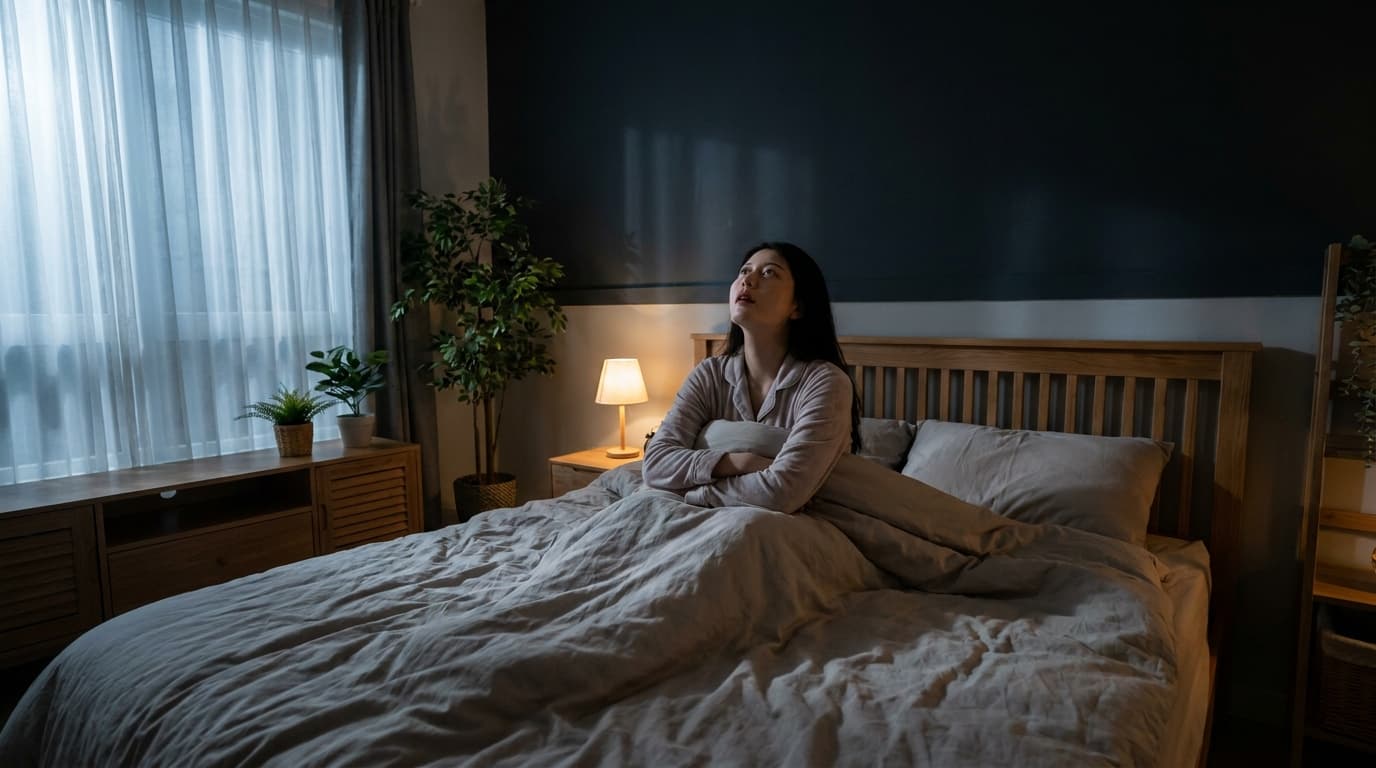
When you wake up in the morning after a full night's sleep feeling even more tired, heavy, and completely unrefreshed, do you experience this day after day? Surprisingly many people visit our clinic complaining that "no matter how much I sleep, my body doesn't feel refreshed." If fatigue does not go away even with sufficient sleep rather than just sleeping too little, it can be an important signal sent by our body. Failing to start the morning refreshed leaves you lethargic and lacking concentration all day, ultimately leading to chronic fatigue and severely degrading your quality of life.
💡 [Key Takeaway] Top 3 most common causes of waking up unrefreshed: ① Autonomic Imbalance: The brain remains overly active at night, hindering deep sleep. ② Reduced Sleep Quality: Stress, irregular habits, and more hinder deep sleep. ③ Chronic Inflammation and Nutrient Imbalance: Reduces bodily resilience and compounds fatigue. Dalimchae Korean Medicine Clinic helps your body and mind truly rest by calming the restless brain through autonomic stabilization.
Why Don't We Feel Refreshed Even After Sleeping All Night?
We often focus solely on the act of "sleep" itself, believing that getting enough hours will wash away fatigue. However, feeling refreshed does not come simply from filling sleep hours. The core lies in "sleep quality," and one of the most important factors determining this quality is the balance of the autonomic nervous system.
The autonomic nervous system regulates all unconscious life activities in our body, such as heartbeat, digestion, respiration, and body temperature control. During the day, the sympathetic nervous system, which governs activity, is dominant, tensing the body and enabling concentration. At night, the parasympathetic nervous system, which governs rest and recovery, is dominant, relaxing the body and inducing deep sleep. However, when the balance of this autonomic nervous system is broken due to excessive stress, irregular lifestyle habits, or excessive caffeine intake, the sympathetic nervous system remains overactivated even at night, preventing the brain from resting. It is like a car engine running overheated throughout the night. In this state, no matter how long you sleep, the brain and body cannot recover sufficiently, leading to unrefreshed fatigue and lethargy upon waking in the morning.
Autonomic Imbalance: How Is My Body Sending Signals?
Autonomic imbalance sends abnormal signals to the body in various ways beyond just feeling tired despite sleeping. These signals are easily brushed off as "nervous" issues, but they are actually important warning lights of our body.
- Sleep-related symptoms: Difficulty falling asleep or frequent waking, insomnia with vivid dreams and light sleep, sweating at night or waking up with a pounding heart.
- Physical symptoms: Unexplained headaches or dizziness, indigestion, chest tightness, numbness in hands and feet, chronic shoulder stiffness, and stiff neck.
- Mental symptoms: Feelings of anxiety, restlessness, poor concentration, memory decline, reacting sensitively to minor things, or sinking into depression.
These symptoms often appear complexly interconnected. Particularly among patients visiting Dalimchae Korean Medicine Clinic Incheon branch for insomnia, many also complain of tinnitus or irritable bowel syndrome.
How Does Korean Medicine View Sleep Deprivation and Fatigue?
In Korean medicine, reduced sleep quality and chronic fatigue are not viewed simply as problems caused by "failing to sleep." They are understood as imbalances in the viscera and circulation of qi and blood—especially dysfunction in organs such as the heart and liver—combined with a disturbed state of the autonomic nervous system, known as autonomic imbalance. For instance, when liver qi stagnates due to stress and overwork, or when the brain and autonomic nervous system overheat and heat accumulates in the heart, the brain fails to rest even at night, hindering deep sleep.
Recent research findings also shed light on the validity of this Korean medicine approach. In a study published by Hwang et al. in the Journal of Clinical Sleep Medicine in 2011, hyperarousal of the central nervous system and autonomic nervous system was pointed out as the biological basis of insomnia. It explained that acupuncture treatment directly affects peripheral nerves and muscles, modulates autonomic tone, and alters central activation, thereby showing positive effects on sleep improvement. This suggests that acupuncture treatment has a profound effect on the autonomic nervous system, playing an important role in regulating sleep and arousal.
Furthermore, a study published in the Journal of Korean Medicine in 2022 analyzed the correlation between the Pittsburgh Sleep Quality Index (PSQI) evaluating sleep quality and Heart Rate Variability (HRV) metrics. This study confirmed that patients complaining of insomnia showed significantly reduced HRV indicators such as TP (representing stress regulation capacity), LF, and HF (representing sympathetic and parasympathetic activity). The researchers concluded that these results demonstrate how emotional problems like insomnia, stress, and depression are closely related to overall reduced HRV, particularly reduced parasympathetic nervous system activity. Such data underpin the therapeutic philosophy of Dalimchae Korean Medicine Clinic, which emphasizes balancing the autonomic nervous system in treating insomnia.
Dalimchae Korean Medicine Clinic Incheon Branch Autonomic Stabilization Treatment: What is the Process?
At Dalimchae Korean Medicine Clinic Incheon branch, we attentively listen to complaints like "no matter how much I sleep, my body doesn't feel refreshed" and deeply identify and resolve their causes. The core of treatment is correcting the state where the brain's warning lights—which could be turned off—stay on all night, meaning autonomic imbalance prevents the brain from resting. We approach this as autonomic stabilization treatment.
Autonomic stabilization treatment is the process of lowering excessive heat in the nervous system and creating an environment where the excited brain can rest comfortably. In Korean medicine, this is also explained as Water Up, Fire Down (수승화강). It helps the energy in our body circulate by keeping the head cool and the lower abdomen warm.
- Precise Diagnosis: Through consultation, pulse diagnosis, abdominal diagnosis, and Heart Rate Variability (HRV) testing that objectively assesses autonomic balance, we accurately diagnose the patient's current physical condition and autonomic activation level.
- Custom Herbal Medicine Prescription: We carefully select medicinal herbs tailored to the individual's constitution, symptoms, and autonomic state to prescribe herbal medicine. The focus is on calming the brain and nervous system, increasing stress tolerance, inducing deep sleep, and aiding fatigue recovery.
- Acupuncture and Moxibustion Treatment: We regulate autonomic balance through meridian stimulation, stabilize brain activity, relax tensed muscles, and enhance bodily recovery. In particular, Incheon Autonomic Korean Medicine Clinic utilizes acupuncture points effective in subduing upper body heat that hinders sleep.
- Lifestyle Guidance: We educate patients on practical daily management methods such as improving sleep hygiene, stress management, and dietary control to maximize treatment efficacy and prevent recurrence.
This holistic treatment does not merely suppress symptoms; it resolves the root causes of sleep fatigue, helping the body recover on its own and regain energy.
Self-Diagnosis Checklist: Could I Have Autonomic Imbalance?
If you check 3 or more of the following items, you are highly likely to have suffered reduced sleep quality due to autonomic imbalance:
- Your head feels unclear and groggy even upon waking in the morning.
- Your body feels heavy and unrefreshed all day.
- It is difficult to fall asleep or you wake up frequently at night.
- You dream a lot and seem to have light sleep.
- You feel frequently anxious or restless for no special reason.
- You often experience poor digestion and stomach discomfort.
- Headaches or dizziness occur frequently.
- Your neck and shoulders are always stiff and tense.
- You are easily annoyed or sensitive over minor matters.
Criteria:
- 3-4 items applicable: Autonomic imbalance early stage suspected; lifestyle improvement and counseling recommended.
- 5+ items applicable: High probability of autonomic imbalance; precise diagnosis and combined Korean medicine treatment at Dalimchae Korean Medicine Clinic Incheon Branch recommended.
FAQ
Q. I am tired no matter how much I sleep. Is this also insomnia? A. Yes, insomnia is not just failing to fall asleep. "Non-restorative sleep," where you wake up unrefreshed and fatigued despite adequate sleep time, can also be viewed as a form of insomnia closely related to reduced sleep quality.
Q. Can I sleep well without sleeping pills? A. Many people worry about the burden or side effects of taking sleeping pills. At Dalimchae Korean Medicine Clinic, we use a Korean medicine approach distinct from sleeping pills to correct autonomic balance and create an environment where the body can fall asleep comfortably on its own. Our goal is to help you regain natural sleep patterns without sleeping pills.
Q. What problems arise if sleep deprivation persists? A. Chronic sleep deprivation can cause various physical and mental problems such as lowered immunity, chronic fatigue, impaired concentration and memory, depression, and anxiety disorders. It can also increase the risk of chronic diseases like hypertension and diabetes, making early diagnosis and treatment important.
Q. How is insomnia treated at the Incheon Branch? A. At Dalimchae Korean Medicine Clinic Incheon branch, we provide customized herbal medicine, acupuncture, and moxibustion treatments synthesized from each patient's symptoms, constitution, and autonomic test results. Beyond simply inducing sleep, our goal is to restore autonomic balance and enhance overall bodily recovery for fundamental sleep quality improvement.
"No matter how much I sleep, my body doesn't feel refreshed" is not a problem that can be solved by enduring it. You no longer need to turn away from the signals your body has been sending for a long time. When approached in the right direction, your body responds faster than you think. Bring the symptoms you are experiencing just as they are. Dalimchae Korean Medicine Clinic will find the cause together with you.
Where life blossoms. Herbal medicine is Dalimchae Korean Medicine Clinic. Check symptoms similar to yours first through Dalimchae Korean Medicine Clinic website AI consultation!
This health information was compiled together by Dalimchae medical staff based on questions frequently received in the consulting room. Medical Supervision | Brain and Autonomic Nervous System Treatment Standard: Dalimchae Korean Medicine Clinic Incheon Branch, Korean Medicine Doctor Yang Yuchan (Insomnia Column)
#Insomnia #SleepQuality #AutonomicNervousSystem #ChronicFatigue #IncheonInsomniaClinic #IncheonKoreanClinic #WaterUpFireDown #Headache Brain and Autonomic Nervous System - Insomnia