
Hello. This is Dalimchae Korean Medicine Clinic.
Why is the menstrual pain so severe despite medication? Breaking the cycle of pain at Songdo Dalimchae
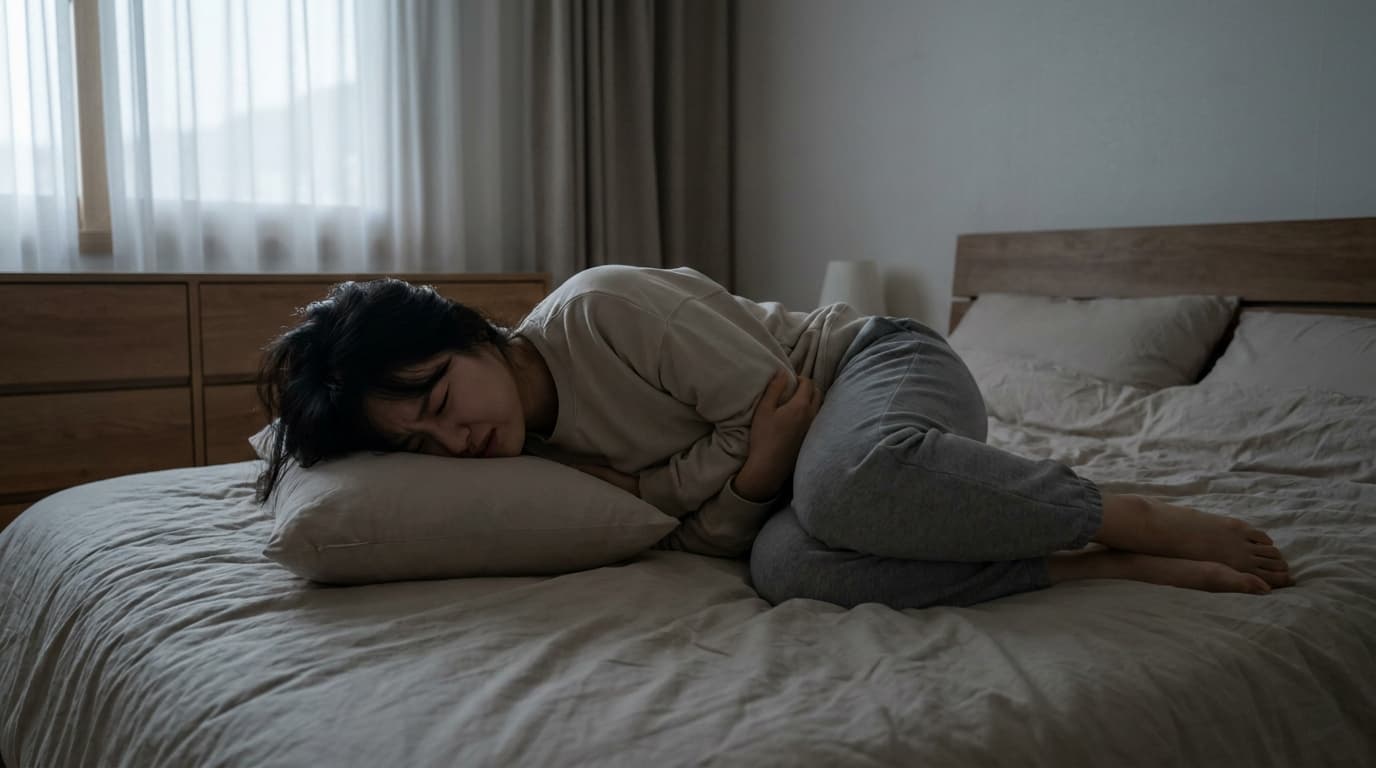
Every month, many women complain, "My stomach feels like it's tearing even after taking menstrual pain medicine." It's more than just "severe pain"—it's agonizing, paralyzing daily life, and pain relievers no longer provide comfort. You might feel anxious, wondering if something is wrong with your body. This chronic pain is a significant warning signal.
💡 [Key Answer] 3 Common Causes of Severe Menstrual Pain Despite Medication: ① Organic Issues like Adenomyosis or Endometriosis: Secondary dysmenorrhea caused by uterine problems rather than simple menstrual cramps. ② Blood Stasis (瘀血) and Qi Stagnation (氣滯): TCM causes where blood circulation around the uterus is stagnant and energy is blocked, intensifying pain. ③ Autonomic Nervous System Imbalance: Stress disrupts the balance, lowering the pain threshold and causing excessive uterine muscle contraction. Dalimchae Clinic focuses on Constitutional Improvement to resolve the root cause of pain and build a body that recovers on its own.
Menstrual pain not caught by painkillers is not just simple pain.
Menstruation is a key indicator of women's health, but many endure it or rely on painkillers. If you say the pain is "tearing" despite medication, it's likely secondary dysmenorrhea or a systemic health signal. Painkillers temporarily block pain-inducing substances but don't solve the root cause, leading to recurrence and potential side effects like gastric disorders.
Is it Adenomyosis or Endotheliosis?
Severe pain often hides organic diseases. Adenomyosis involves endometrial tissue invading the uterine muscle layer, causing enlargement, heavy bleeding, and intense pain. Endometriosis occurs when endometrial tissue grows outside the uterus, causing inflammation, adhesions, chronic pelvic pain, and infertility. These conditions feature intense, persistent pain that doesn't respond to painkillers and tends to worsen over time, requiring accurate diagnosis and a fundamental treatment approach.
TCM Perspective: The Importance of 'Blood Stasis' and 'Qi Stagnation'
In Korean Medicine, menstrual pain is categorized into 'pain due to lack of flow' and 'pain due to lack of nourishment.' Extreme pain is often due to 'Blood Stasis' (waste from poor circulation) and 'Qi Stagnation' (blocked energy) in the uterus and pelvis. Stasis prevents proper circulation, accumulating waste and causing excessive contraction. Qi stagnation from stress increases pain sensitivity and interferes with uterine function. Dalimchae Songdo focuses on clearing these blockages to restore uterine health.
Proven Effectiveness through Research
Clinical studies prove that herbal medicine and acupuncture are effective for dysmenorrhea.
A 2026 study in Integrative Medicine Research on 135 patients showed that individualized herbal medicine significantly reduced pain intensity, duration, and painkiller use. Herbal groups showed a statistically significant decrease in pain intensity (-1.41, p<0.029) and painkiller usage (-1.63, p<0.001) compared to non-herbal groups. Dalimchae prescribes personalized herbs based on these data to restore function and alleviate pain.
A 2016 Cochrane Library review of 42 studies (4,640 patients) confirmed that acupuncture or acupressure is more effective than placebos or medication in reducing pain and improving quality of life. It emphasized acupuncture as a safe alternative with fewer side effects. Dalimchae Songdo uses acupuncture to promote circulation and restore autonomic balance.
Dalimchae's Constitutional Improvement: Breaking the Cycle
We focus on 'Constitutional Improvement' to solve the root of the pain. This means building a body where symptoms don't "turn back on." We improve organic issues, clear circulation blockages (Stasis/Stagnation), and restore autonomic balance disrupted by stress.
Through personalized herbal prescriptions, we improve the uterine environment, reduce inflammation, and alleviate pain. Combined with acupuncture, moxibustion, and pharmacopuncture, we warm the lower abdomen and inhibit pain substances. This approach also helps those with infertility or other female conditions, breaking the cycle of pain.
Dysmenorrhea Self-Diagnosis Checklist
Do you match any of these?
- Pain doesn't subside completely even after taking medicine, or it wears off quickly.
- Pain is getting worse or occurs outside the menstrual period.
- Menstrual flow is abnormally heavy or has many clots.
- Pain spreads to the back, pelvis, or legs during the period.
- Accompanied by chronic fatigue, indigestion, or dizziness.
- Missing school or work every month due to pain.
- Feeling the pain is too severe even without a specific diagnosis.
3+ matches: Possible secondary or autonomic-related dysmenorrhea. Consultation recommended. 5+ matches: Immediate visit needed to identify the root cause.
Where to find a Songdo Dysmenorrhea Clinic?
Choosing a clinic among so much information is hard. The key is finding a place that looks beyond the symptoms to the root cause. Dalimchae Songdo understands autonomic and fertility-related conditions and strives to share and solve the pain of menstrual cramps as a specialized clinic.
FAQ Q. Can I take herbal medicine with painkillers? A. Yes. Herbal medicine aims to reduce painkiller dependence by improving the root cause. They can work complementarily.
Q. I have Adenomyosis. Is TCM effective? A. Yes. It helps manage pain and heavy bleeding by removing stasis and improving the uterine environment, preventing recurrence.
Q. Does severe pain affect infertility? A. Yes. It's often linked to conditions like endometriosis which can cause infertility. Treating the pain is crucial for healthy pregnancy preparation.
Q. They say it gets better with age. Can I just endure it? A. It rarely improves on its own and may lead to chronic pelvic pain. Severe pain is a signal you shouldn't ignore.
Don't just endure the pain. Bring your symptoms to Dalimchae. We will find the cause together.
Where life blossoms. Herbal medicine is Dalimchae. Check your symptoms with our AI consultation on the website!
This health information was compiled by Dalimchae medical staff based on frequent clinical questions. Medical Supervision | Songdo Branch, Dr. Oh Hyun-min (Adenomyosis Column)
#Dysmenorrhea #MenstrualPain #Adenomyosis #Endometriosis #BloodStasis #SongdoKoreanMedicine #ConstitutionalImprovement #TCMTreatment