
Hello, this is Dalimchae Clinic.
Why Does Only One Side of My Mouth Lift When I Smile Early Signs of Facial Palsy
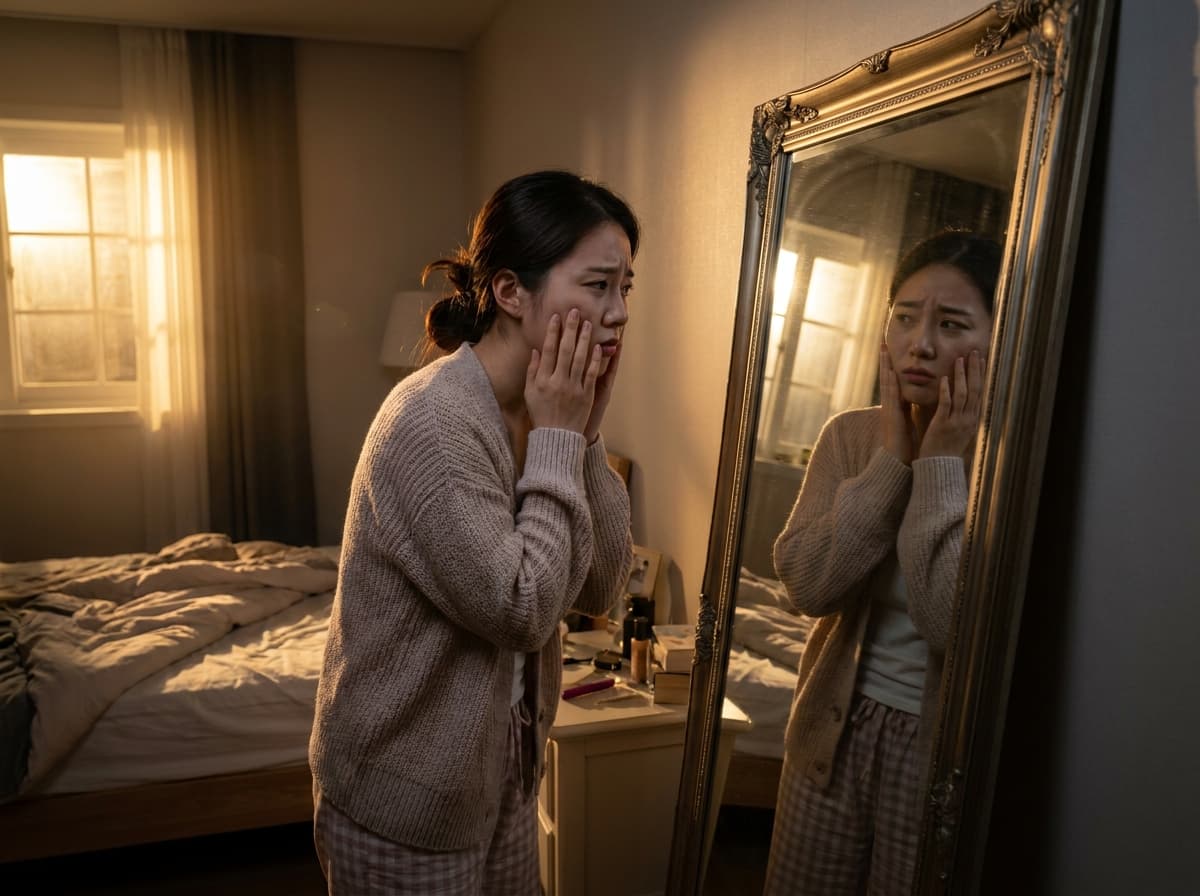
A bright, smiling face is a symbol of health and confidence. However, if only one side of your mouth lifts awkwardly when you look in the mirror, or if your face feels asymmetrical when you make an expression, you can't help but worry. In particular, the anxiety of "Is it paralysis?" can shrink your daily life and even make you avoid meeting people. These subtle changes can be an early sign of facial palsy, so it's important to look closely.
💡 [Key Answer] The 3 most common causes of "only one side of the mouth lifting when smiling": ① Inflammation or damage of the facial nerve / ② Reduced immunity and viral infection / ③ Excessive stress and fatigue Dalimchae Clinic restores the balance of the brain and nervous system through Autonomic Stabilization to recover facial nerve function and improve facial asymmetry.
Why does only one side of the mouth lift when smiling?
Controlling facial expressions is the role of a sophisticated network of nerves that starts in the brain and leads to the muscles in each part of the face. The most important of these networks is the facial nerve. If only one side of your mouth lifts when you smile or if you feel facial asymmetry, it often suggests a problem with the function of the facial nerve. This facial nerve palsy is commonly called 'Guanwasa' and can occur due to various reasons.
Main causes include reduced immunity due to excessive stress and fatigue, and specific viral infections (especially herpes simplex virus or varicella-zoster virus). When a virus causes inflammation or damage to the facial nerve while immunity is weakened, it becomes difficult for the nerve to transmit normal signals, resulting in paralysis of the facial muscles. In addition, long exposure to cold environments, overwork, and lack of sleep can also cause or worsen facial palsy. In particular, if appropriate treatment is not provided at the early stage of onset, paralysis symptoms may remain, or serious functional and aesthetic sequelae such as synkinesis and contracture may occur, so active response from the beginning is very important.
Can Korean medicine treatment reduce facial asymmetry and recurrence risk of facial palsy?
Facial palsy is not just a problem of facial muscles, but is likely to occur when the immunity and nervous system balance of our whole body collapse. In particular, if the balance of autonomic nerves is broken, the immune system weakens, which can further encourage inflammation and damage of the facial nerve. Dalimchae Clinic Incheon Branch manages the fundamental cause of such facial palsy to improve symptoms and prevent recurrence.
A study by the Korea Institute of Oriental Medicine and Kyung Hee University Korean Medicine Hospital published in the journal Healthcare (Basel) in 2023 emphasizes the importance of Korean medicine treatment in the early stages of facial palsy. This study analyzed data from 45,986 adult patients with Bell's palsy who received steroid treatment from 2015 to 2017. As a result of the study, the early acupuncture group (n=28,267) that received acupuncture within 7 days after diagnosis had a significantly lower probability of facial palsy recurrence compared to the control group (n=17,719) that did not receive acupuncture (odds ratio: 0.81, 95% confidence interval: 0.69-0.95). This suggests that early Korean medicine treatment, especially acupuncture, can have a positive effect on lowering the recurrence rate of facial palsy based on actual medical data. Dalimchae Clinic focuses on reducing the risk of recurrence by helping nerve recovery and strengthening immunity through integrated Korean medicine treatment from the beginning of facial palsy based on these research results.
In addition, another study by the Korea Institute of Oriental Medicine and Kyung Hee University Korean Medicine Hospital published in the journal Trials in 2015 investigated the effect of acupuncture treatment on the sequelae of facial palsy. In this randomized controlled trial, as a result of performing acupuncture for 8 weeks for patients with facial palsy sequelae, the acupuncture group (n=26) showed significantly improved results in the social aspect score (mean difference 23.54) and physical function subscale score (mean difference 21.54) of the Facial Disability Index (FDI) compared to the waiting group (n=13) (p<0.05). In addition, the Sunnybrook Facial Nerve Grading Scale score also improved by an average of 14.77 points. The researchers concluded that acupuncture treatment showed better therapeutic effects in the social and physical aspects of patients with Bell's palsy sequelae. These studies show that Korean medicine treatment can contribute to improving quality of life beyond simple symptom relief for those considering Guanwasa treatment in Incheon. Dalimchae Clinic applies systematic Korean medicine treatment not only to the acute phase of facial palsy but also to sequelae management to help patients regain their whole daily lives.
Treatment of facial palsy through autonomic stabilization, Dalimchae Clinic's unique approach
At Dalimchae Clinic, we do not see facial palsy symptoms, where only one side of the mouth lifts when smiling, as a simple local problem. All functions of our body are regulated by the brain and the autonomic nervous system, and the facial nerve is also within this large framework. When stress, overwork, and reduced immunity worsen, the balance of the brain and autonomic nerves collapses, which leads to dysfunction of the facial nerve and can cause paralysis. Just as a problem occurs in a specific part when our body's engine overheats, it is like a 'warning light' turning on in the nervous system when the balance of autonomic nerves is broken.
Dalimchae Clinic Incheon Branch focuses on turning off this 'warning light' through Autonomic Stabilization, cooling down the heat of the nervous system and creating an environment where the brain can rest. In Korean medicine, this is explained by the principle of Suseunghwagang (水昇火降), which helps whole-body circulation by cooling the heat concentrated in the upper body and warming the lower body. This autonomic regulation treatment is performed through various Korean medicine therapies such as acupuncture, pharmacopuncture, moxibustion, and herbal medicine. It calms the inflammation of the damaged facial nerve and promotes regeneration, and helps the recovery of paralyzed facial muscles. In addition, it contributes to resolving the fundamental cause of facial palsy and preventing recurrence by improving systemic Qi and blood circulation and increasing immunity. By relaxing the tension of the nervous system, symptoms such as headache, dizziness, and sleep disorder that can appear with facial palsy can also be improved. Dalimchae Clinic's autonomic stabilization treatment aims to improve overall physical condition and quality of life as well as facial symmetry.
Am I also having facial palsy? Symptom Checklist
Check the following items to see if it's an early sign of facial palsy.
-
Eye-related symptoms
- One eye does not close well or does not close completely.
- White part of the eye is visible even when trying to close the eyes (Lagophthalmos).
- Tears flow excessively or eyes are dry.
- One eyebrow looks droopy.
-
Mouth-related symptoms
- Only one side of the mouth lifts or becomes crooked when smiling.
- Water leaks from one side of the mouth when drinking or brushing teeth.
- Food gets stuck inside the cheek or leaks out when chewing.
- Difficult to whistle.
-
Ear and sensory-related symptoms
- Pain is felt behind the ear or on one side of the face (may be a premonitory symptom).
- The ability to taste becomes dull or disappears.
- Sound is heard louder or echoes in one ear.
-
Overall facial symptoms
- One side of the face feels heavy or stiff.
- Wrinkles do not form well on the forehead.
Judgment Criteria:
- 3 or more items apply: Suspected autonomic imbalance type → We recommend reviewing Korean medicine complex treatment for facial palsy.
- 5 or more items apply: Suspected progression of facial palsy → We recommend visiting Dalimchae Clinic Incheon Branch immediately to start precise diagnosis and treatment.
Q. How long does facial palsy take? A. The recovery period for facial palsy varies depending on the severity of symptoms, time of starting treatment, and cause. Generally, if you start treatment actively in the early stage, it begins to improve within 3 weeks and often recovers significantly within 1 to 3 months.
Q. Is facial asymmetry also treated with Korean medicine? A. Yes, facial asymmetry due to facial palsy can be improved with Korean medicine treatment. Through acupuncture and pharmacopuncture, it recovers damaged nerves, rehabilitates paralyzed muscles, and helps recover facial symmetry by correcting whole-body balance.
Q. Can facial palsy heal naturally? A. In the case of Bell's palsy, some improve naturally, but it is difficult to predict the exact prognosis and the risk of sequelae is high. Therefore, when symptoms appear, seeking medical attention as soon as possible and receiving appropriate treatment is the best way to minimize sequelae and expect complete recovery.
Q. Can Guanwasa recur? A. Yes, Guanwasa is a disease that can recur. In particular, it often recurs due to reduced immunity, excessive stress, or severe fatigue. At Dalimchae Clinic, we focus on lowering the risk of recurrence through autonomic stabilization and immunity reinforcement treatment.
Facial palsy, where only one side of the mouth lifts when smiling, is not a problem that can be solved by enduring. You don't have to ignore the signals your body has been sending for a long time. If you approach in the right direction, your body reacts faster than you think. Bring your current symptoms as they are. At Dalimchae Clinic, we will find the cause together.
Where life blooms. For herbal medicine, it's Dalimchae Clinic. Check your similar symptoms through AI consultation on the Dalimchae Clinic website first!
This is health information compiled by the Dalimchae medical team based on questions often received in the consultation room. Medical Supervision | Yang Yuchan, KMD, Dalimchae Clinic Incheon Branch (Facial Palsy Column)