
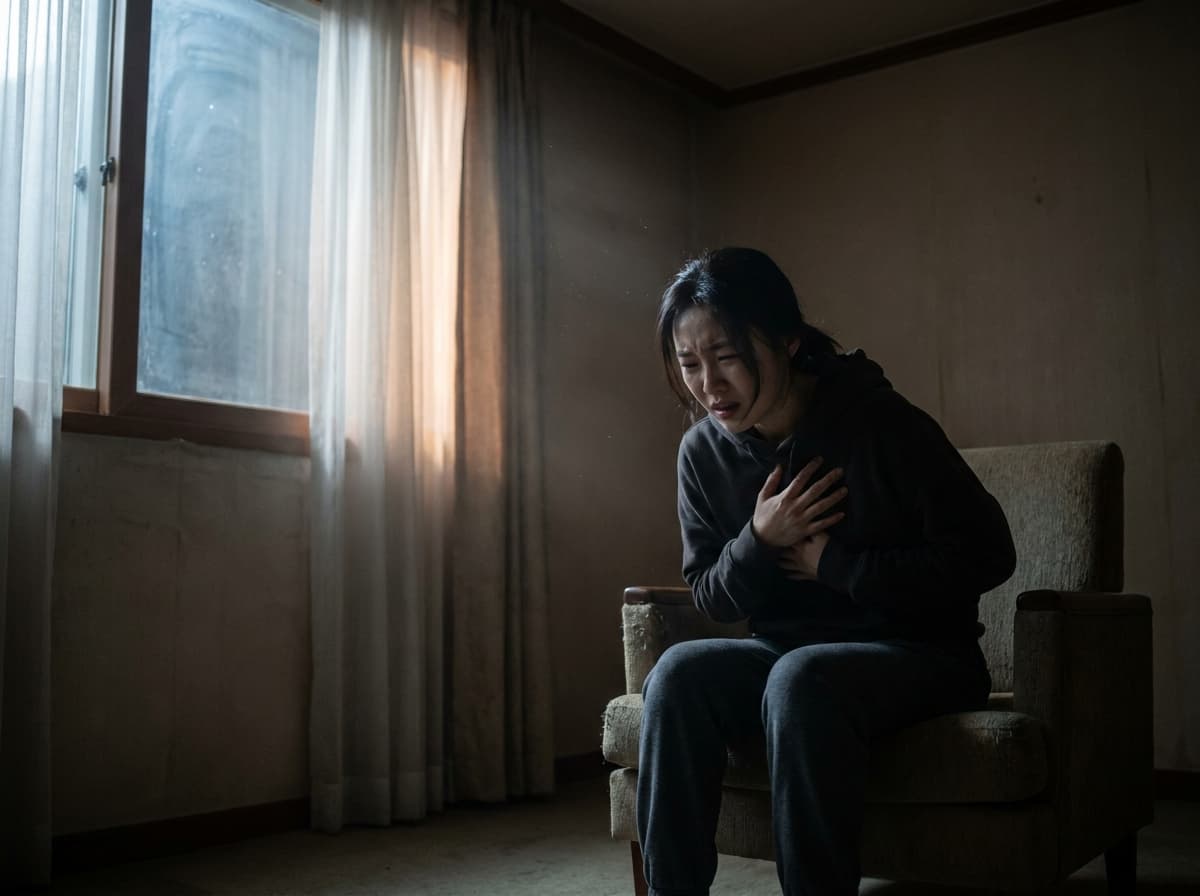
Why does my chest feel tight for no reason? Suffocating anxiety, it could be a warning sign from your autonomic nervous system.
Sudden feeling of your heart sinking, choking sensation, and chest tightening. When these symptoms occur without any danger, it's easy to feel anxious. Even if you go to the hospital and hear "everything is normal," the symptoms remain. This unexplained chest tightness might be a warning signal from your autonomic nervous system.
💡 [Key Answer] The 3 most common causes of "unexplained chest tightness": ① Autonomic Imbalance / ② Excessive Stress and Brain Overload / ③ Psychological Anxiety (Panic Disorder, Anxiety Disorder) Dalimchae Clinic resolves the root cause of chest tightness through autonomic stabilization treatment.
"Tests say I'm normal." Why does my chest feel tight for no reason?
Chest tightness, known as 'Hyungmin' in Korean medicine, often occurs without organic heart or lung issues. About 20% of patients with chronic chest pain/tightness find no specific cause in modern tests. This is often due to an imbalance in the autonomic nervous system, which regulates heartbeat, breathing, and digestion.
When the sympathetic nervous system is overactive, heart rate increases and blood vessels contract, causing a feeling of suffocation. It's as if the body is in a constant state of emergency. This is closely linked to panic and anxiety disorders, and sometimes accompanies digestive issues like acid reflux.
How does autonomic imbalance manifest as chest tightness?
Autonomic imbalance significantly lowers quality of life. HRV (Heart Rate Variability) tests can objectively evaluate this balance. Lower HRV values often correlate with autonomic issues and reduced regulation by the central nervous system.
Stress directly affects the autonomic system, overactivating the sympathetic and suppressing the parasympathetic system. This leads to symptoms like chest pain, shortness of breath, insomnia, dizziness, and headaches. Korean medicine treats this as 'Hwabyeong' or 'Dam-eum,' balancing the body's energy and organ functions.
How does Korean medicine help?
Korean medicine focuses on restoring balance rather than just suppressing symptoms. Studies show acupuncture and herbal medicine are effective in regulating the autonomic system.
A 2023 study in Medical Acupuncture found that acupuncture significantly reduced anxiety and physical symptoms in GAD patients by activating the vagus nerve and improving HRV. Another 2020 study by Professor Park Jeong-mi showed that 'Pyeongjinsujeom-san' reduced chronic chest pain, proving effective for non-cardiac chest pain as well.
Dalimchae's 'Autonomic Stabilization' Principle
At Dalimchae Clinic Songdo, we focus on autonomic stabilization. When the brain and autonomic system lose balance due to stress, the body functions like an overheated engine.
Korean medicine views this overactivation as 'Sang-yeol-ha-han' (heat in the top, cold in the bottom). We restore 'Su-seung-hwa-gang' (water rising, fire descending) through acupuncture and herbal medicine, lowering neurological heat and improving circulation to help the body recover its natural regulatory power.
Is my chest tightness due to autonomic imbalance? (Self-Diagnosis)
Check how many apply to you:
- Sudden heart palpitations or sinking feeling.
- Feeling suffocated or unable to breathe without reason.
- Frequent chest pain or pressure.
- Dizziness or brain fog.
- Poor sleep quality.
- Cold sweats or numbness in hands/feet.
- Bloating or chest pressure linked to digestion.
- Anxiety or fear over minor things.
- Chronic fatigue and lethargy.
- Frequent neck or shoulder tension.
Results:
- 3 or less: Likely temporary stress, but needs management.
- 4-6: High possibility of autonomic imbalance. Consult Dalimchae Clinic.
- 7 or more: Autonomic function may be severely impaired. Immediate professional treatment is recommended.
Q&A Q. Could it be a heart problem? A. While heart disease shouldn't be ruled out, many feel tightness despite normal tests. This is often due to autonomic imbalance or stress.
Q. Any home remedies? A. Try deep breathing in a comfortable position, drinking warm water, or light stretching. If symptoms persist, see a specialist.
Q. Relation to panic disorder? A. Panic disorder involves extreme fear and chest tightness. Autonomic overactivity is a major cause.
Q. Treatment at Songdo Clinic? A. We use acupuncture, moxibustion, and custom herbal medicine to resolve autonomic imbalance, objectively evaluated through HRV tests.
Chest tightness won't resolve by just enduring it. Don't ignore your body's signals. At Dalimchae Clinic, we will find the cause together.
Where life blooms. Herbal medicine is, Dalimchae.