
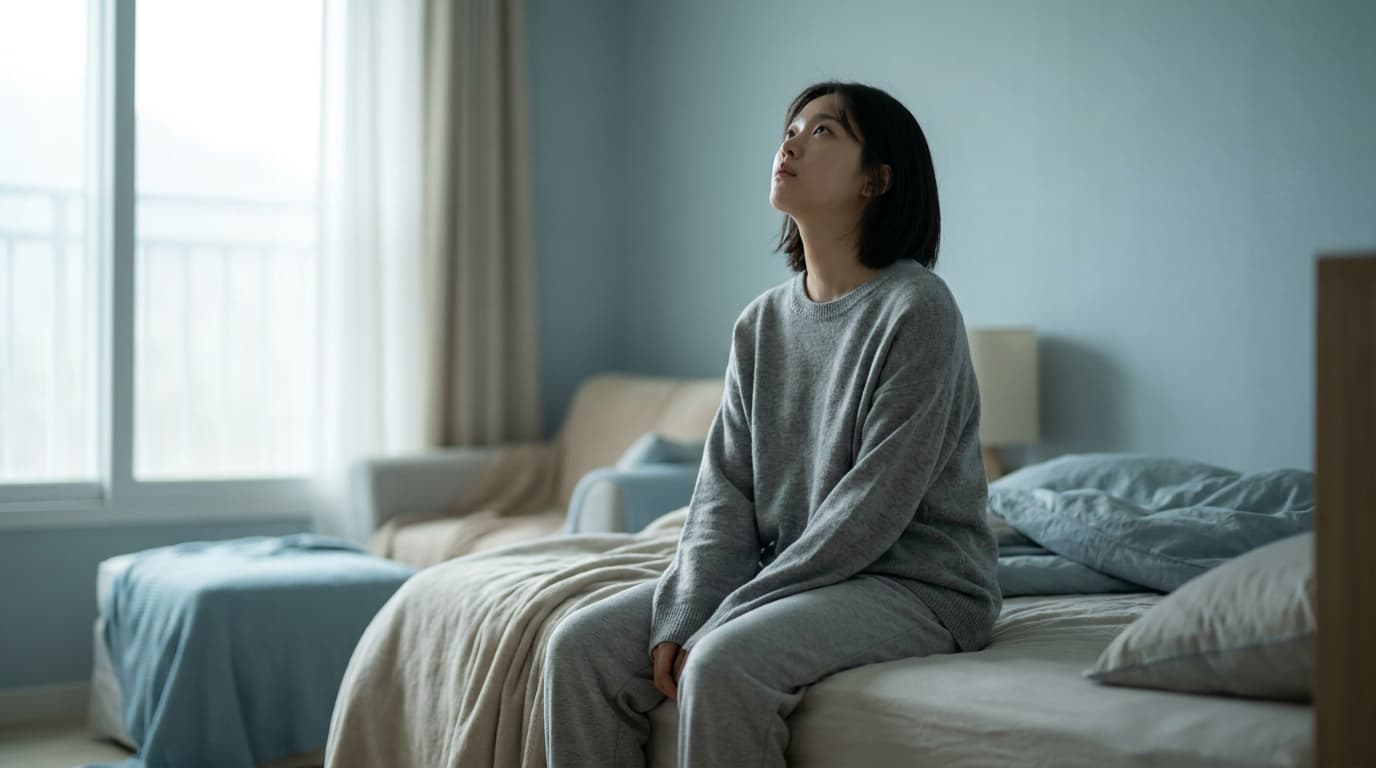
When Your Heart Keeps Sinking and You Are Struggling, How is Depression Treatment at a Korean Medicine Clinic Different?
There are times when your heart suddenly sinks and you feel a sense of lethargy where you don't want to do anything. If you find yourself unable to feel refreshed even after sleeping and losing interest in things you used to enjoy, you might wonder, "Could I be depressed?" These emotional changes can have a deep impact on our bodies and minds, more than just a simple mood shift. Many people are hesitant to start treatment due to vague worries about psychiatric consultations or medication. Depression is not just a problem of the mind; it can be a signal that our body's balance is broken.
💡 Key Insights The 3 most common causes of "when your heart keeps sinking and you are struggling": ① Autonomic nervous system imbalance / ② Chronic stress and fatigue / ③ Decreased brain neurotransmitter function Dalimchae Oriental Clinic restores peace of mind by stabilizing the autonomic nervous system to regain the balance between the brain and body.
Why is Depression Viewed as an Autonomic Nervous System Issue?
While depression is often explained by neurotransmitter imbalances or psychological factors, Korean medicine views the imbalance of the autonomic nervous system—our body's fundamental control system—as a crucial cause. Continuous stress over-activates the sympathetic nervous system and decreases the function of the parasympathetic nervous system, which is responsible for relaxation. This leads to decreased brain function and symptoms like depression, lethargy, sleep disorders, and anxiety.
The autonomic nervous system regulates essential functions like heart rate, digestion, breathing, and temperature control without our conscious effort. When this system's balance is lost, warning lights go off in various parts of the body, which can manifest as depression. In other words, a struggling mind may be a signal from the body, and correcting this signal is the core of Korean medical depression treatment.
What is the Scientific Evidence for Korean Medical Depression Treatment?
Korean medicine focuses on restoring the overall balance of the body so it can heal itself, rather than simply suppressing symptoms. Specifically, acupuncture and herbal medicine have been shown in research to have positive effects on autonomic regulation and brain function improvement.
A study published in 2024 involving patients with depressive disorders in Korea found that after receiving Korean medical treatment (herbal medicine, acupuncture, moxibustion, cupping, psychotherapy, etc.), there were statistically significant decreases in depression, anxiety, and anger scales (BDI-II, STAI-X-1/2, BAI, STAXI-S/T). This suggests that continuous Korean medical treatment is effective not only for overall symptom improvement but also for accompanying anxiety, anger, and physical symptoms.
Furthermore, a study published in 'Phytotherapy Research' in 2004 showed that medical students experiencing exam stress who took 'Ondamtanggamibang' (a herbal formula) for 8 weeks had significant reductions in systolic blood pressure and stress hormones (norepinephrine and cortisol) compared to a placebo group, with positive changes in psychological variables like anxiety and depression (p<0.05). This aligns with Dalimchae's philosophy of stabilizing the autonomic nervous system and improving brain function.
Dalimchae’s Autonomic Stabilization Treatment Principles
At Dalimchae Oriental Clinic Incheon, we view depression as a warning signal from the body's system rather than just a "cold of the mind." Our autonomic stabilization treatment acts like a 'circuit breaker' for the brain. When this switch overheats, the brain cannot rest, leading to anxiety and depression.
Our integrated treatment approach includes:
- Customized Herbal Prescription: Prescribing herbs that restore autonomic balance based on individual constitution and symptoms. It cools the 'heat' in the heart and facilitates the flow of 'qi' in the liver (called Suseunghwagang in Korean medicine).
- Acupuncture and Moxibustion: Stimulating specific acupoints to inhibit sympathetic overactivity and activate the parasympathetic system.
- Lifestyle Guidance: Providing personalized management for habits, diet, and sleep that affect the autonomic nervous system.
Depression Checklist: Do You Relate?
If you check 3 or more of the following, we recommend considering Korean medical treatment for autonomic imbalance-related depression. If 5 or more apply, immediate consultation is advised.
- Feeling down or sad without a specific reason.
- Loss of interest in things or hobbies you used to enjoy.
- Difficulty falling asleep, frequent waking, or feeling tired even after oversleeping.
- Changes in appetite or weight.
- Feeling tired, lethargic, and lacking energy daily.
- Decreased concentration and difficulty making decisions.
- Lack of confidence, self-criticism, or guilt.
- Frequently feeling restless and anxious.
- Accompanying physical symptoms like headaches, indigestion, or dizziness.
- Frequent thoughts of death or suicide.
FAQ
Q. How long does treatment take? A. Generally, 3 to 6 months of consistent treatment is required, depending on severity and individual response.
Q. Can depression be cured without psychiatric medication? A. Korean medical treatment can be effective for mild cases or for those struggling with medication side effects. It can also be used alongside Western medicine for synergistic effects or to gradually reduce medication.
Don't just endure when your heart is heavy. Dalimchae Oriental Clinic will help you find the root cause.
Health information provided by Dalimchae medical staff. Supervised by Min Ji-hong, KMD, Dalimchae Oriental Clinic Incheon (Depression Column).