
Hello. This is Dalimchae Korean Medicine Clinic.
When Seniors Refuse to Eat: Could This Be a Warning Light from the Body?
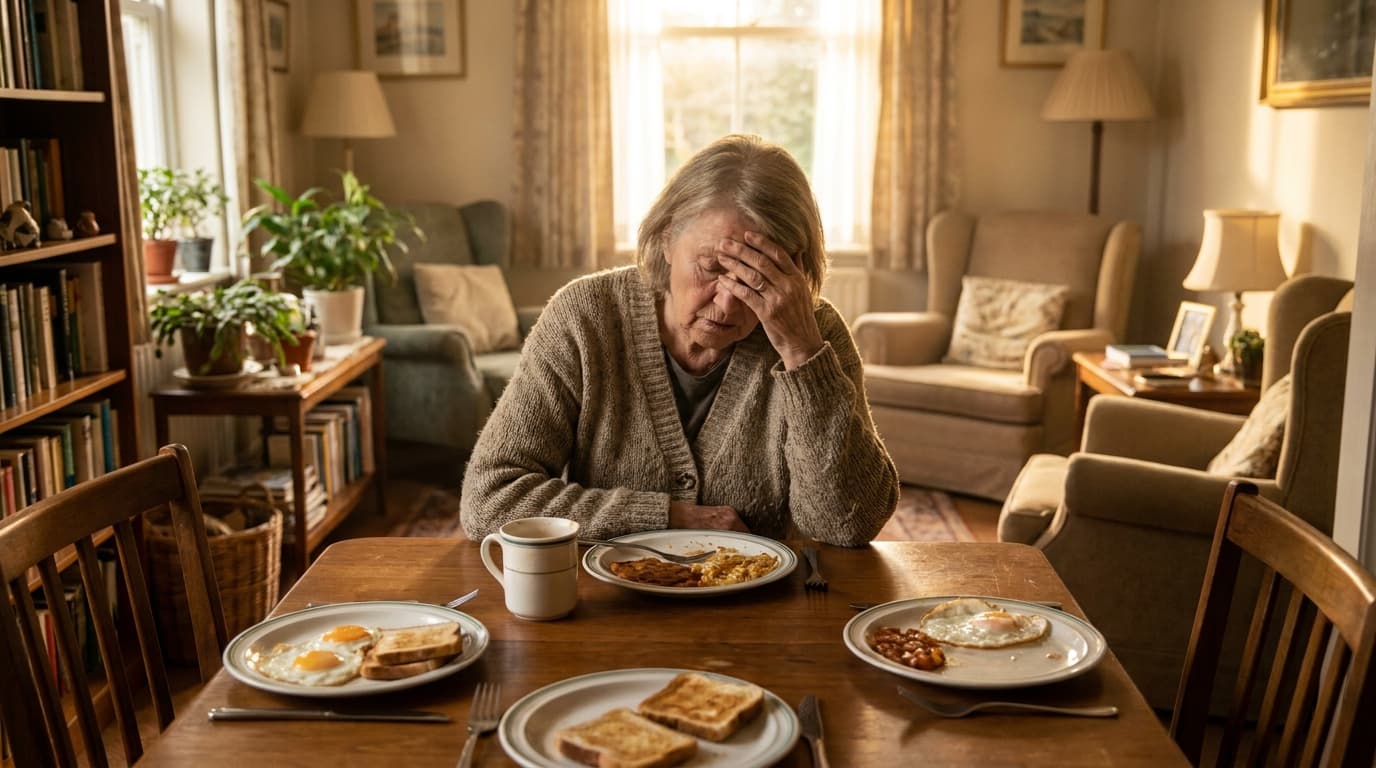
When your parents start losing their appetite and failing to eat properly one day, it breaks your heart. Dismissing it with "That's just what happens when you get older" only leads to mounting worry as they grow thinner and weaker. Loss of appetite in seniors is not merely a lack of appetite, but an important warning signal sent by the body. Let's delve into the hidden causes of geriatric loss of appetite, which can lead to nutritional imbalance, decreased quality of life, and frailty, and find solutions from a Korean medicine perspective.
💡 [Key Answer] 3 most common causes of when seniors refuse to eat: ① Decreased Digestive Function & Taste Impairment / ② Chronic Illness & Medication Side Effects / ③ Psychological Factors such as Depression & Social Isolation Dalimchae Clinic restores impaired digestive function through intestinal detoxification and brings back natural appetite by restoring body balance.
As we age, all functions of our body are not like our youth. In particular, changes in digestive function directly linked to appetite are one of the biggest causes of geriatric loss of appetite. As gastrointestinal peristalsis slows down and gastric juice secretion decreases, food is not properly digested, causing discomfort after meals. In addition, the decline in taste and olfactory functions makes it difficult to taste food properly, which also causes loss of appetite. According to Health Chosun, as people age, the taste bud cells that feel sweet and salty decrease, and saliva secretion decreases, making them taste food less.
Chronic illness and medications taken also have a significant impact on appetite. Chronic diseases such as diabetes, hypertension, and heart disease themselves can reduce appetite, and various drugs such as antibiotics, antidepressants, and painkillers can cause side effects such as changes in taste or decreased appetite. In addition, psychological and cognitive factors such as depression, social isolation, and dementia work in combination to reduce appetite in seniors and cause nutritional imbalance.
How Does Korean Medicine View Senior Loss of Appetite?
In Korean medicine, the cause of geriatric loss of appetite is not viewed simply as a digestive function problem. Weakness of the spleen and stomach (脾胃), deficiency of qi and blood (氣血), and liver qi stagnation (肝氣鬱結) are viewed as core pathogens of loss of appetite. In particular, the spleen is responsible for the transportation and transformation (運化) of food, and if the spleen's function weakens, sufficient nutrients cannot be absorbed in the body, leading to decreased energy and weight loss. This is a perspective similar to the decrease in muscle mass and metabolic decline in the elderly in modern medicine.
The gut of our body goes beyond a simple organ responsible for digestion and is called the 'second brain' closely connected to the brain. In other words, if the balance of the Gut-Brain Axis is broken, it affects not only digestive function but also the overall autonomic nervous system. Mental problems such as stress, anxiety, and depression can also adversely affect gut health and worsen loss of appetite. Dalimchae Clinic Songdo Branch finds and treats the fundamental cause of senior loss of appetite from this complex perspective.
Clinical Research Cases Where Oriental Medical Treatment Was Effective for Senior Loss of Appetite
Studies showing the effectiveness of Korean medical approaches to geriatric loss of appetite are steadily being published.
In a case report published in Korea in 2024 by Baek Hong-won et al., titled "A Case Report of Oriental Medical Treatment for 1 Case of Geriatric Anorexia," meaningful improvement was confirmed when oriental medical treatment was applied to 1 geriatric anorexia patient without a specific organic cause. This patient was hospitalized for about 2 weeks (12 days) and received herbal medicine (mainly hawthorne, malt, schisandra, Atractylodes macrocephala, etc. for strengthening the spleen and stomach and replenishing qi) and acupuncture treatment in parallel. Weight, which was 42.5kg before treatment, increased to 45.7kg, and body mass index (BMI) improved from 19.2kg/m² to 20.6kg/m². Body water and protein mass also showed positive changes. The researchers concluded that these results suggest that oriental medical treatment can have a synergistic effect on the nutritional status and overall health improvement of the elderly.
In addition, in the study "A Herbal Prescription of Insamyangyeongtang as a Therapeutic Agent for Frailty in Elderly: A Narrative Review" published in PMC in 2024, it was comprehensively analyzed that Insamyangyeongtang (IYT) is effective in improving anorexia, fatigue, and nutritional status accompanied by geriatric frailty. According to this review, after administration of Insamyangyeongtang, the NPI (Neuropsychiatric Inventory)-anorexia score of the elderly improved significantly at 4 weeks (p<0.05), 8 weeks (p<0.01), and 16 and 24 weeks (p<0.001). In addition, after 24 weeks, the Japanese version of the Frailty Checklist (J-CHS) score also significantly decreased (p<0.01), and most patients recovered to a non-frail or healthy state. The researchers emphasized that Insamyangyeongtang can improve the quality of life of frail seniors through multidimensional effects such as increased muscle mass and weight, improved nutritional status, and alleviation of loss of appetite.
Based on these research data, Dalimchae Clinic Songdo Branch focuses on fundamentally improving decreased digestive function and restoring systemic energy, going beyond simply stimulating appetite. Oriental medical treatment, which corrects body balance and fosters the power to accept and digest food on its own, can be a hope for seniors suffering from geriatric loss of appetite.
Restoring Healthy Appetite through Dalimchae Clinic's 'Intestinal Detoxification' Treatment
Dalimchae Clinic applies the principle of intestinal detoxification treatment for the fundamental resolution of senior loss of appetite. Intestinal detoxification is a treatment that removes waste and toxins accumulated on the gut wall, restores weakened gut function, and increases nutrient absorption rates. When gut function becomes healthy, digestive enzyme secretion naturally activates, gastrointestinal peristalsis becomes smooth, and the balance of the gut-brain axis that controls appetite is restored.
Especially in old age, 'Damjeok (痰積)' can easily form due to decreased gastric acid secretion and gut microbiome imbalance. Damjeok refers to undigested food waste accumulating and hardening on the gut wall, which causes chronic indigestion, bloating, heartburn, and even loss of appetite. Dalimchae Clinic Songdo Branch's intestinal detoxification treatment relieves this Damjeok, regenerates damaged gut mucosa, and helps proliferate beneficial bacteria to improve the gut environment, helping seniors enjoy meals deliciously and regain their vitality. This is not an artificial appetite stimulant, but a natural recovery process where the body feels a healthy appetite on its own.
Parent Loss of Appetite, Do These Symptoms Accompany? (Self-Diagnosis Checklist)
This is a self-diagnosis checklist to see if your parents' loss of appetite is a simple phenomenon or a state requiring active treatment. Count how many of the following items apply to you.
- Weight has decreased by 3kg or more in the last 3 months.
- Frequently say "I have no appetite" or "The food is not tasty."
- Often do not eat favorite foods well or leave them behind.
- Meal amount has decreased to less than half of normal for more than 2 weeks.
- Complain of feeling bloated or having poor digestion after meals.
- Often feel that mealtime is lonely or uncomfortable.
- Look less energetic and more lethargic than usual.
- Bowel movement problems such as constipation or diarrhea have occurred.
- Cannot sleep well, wake up frequently at night, or toss and turn.
- Occasionally complain of dizziness or headaches.
[Diagnosis Result & Recommended Action]
- 3 items or less apply: Careful observation and diet management are recommended.
- 4 to 6 items apply: Suspected Geriatric Loss of Appetite. Consult for accurate diagnosis and improvement plans through Songdo loss of appetite clinic treatment.
- 7 items or more apply: Stage requiring active treatment. Immediate visit to Dalimchae Clinic Songdo Branch is strongly recommended to review professional intestinal detoxification and vitality recovery treatment.
FAQ – Frequently Asked Questions About Senior Loss of Appetite
Q. Is senior loss of appetite a natural aging phenomenon and okay to leave alone? A. Loss of appetite in old age is somewhat natural, but if it is severe enough to refuse meals, or accompanied by weight loss and loss of energy, this may not be simple aging but a warning light for health. If left untreated, it can lead to serious complications such as malnutrition, decreased immunity, and sarcopenia, so active interest and treatment are required.
Q. What foods should I give to stimulate my parents' appetite? A. It is good to provide foods that are easy to digest and high in nutrient density. Soft protein (tofu, fish, chicken breast), soup using various vegetables, steamed dishes, etc., and changing color and shape for sensory stimulation are also helpful. Rather than making the seasoning unconditionally strong, it is good to stimulate taste using the sourness of lemon or vinegar, and the umami of shiitake mushrooms or tomatoes.
Q. How long does Songdo geriatric loss of appetite clinic treatment take? A. The treatment period varies depending on the cause of loss of appetite, progress, and the patient's overall health condition. Usually, aiming for treatment that regains body balance from the perspective of wonderful changes in the intestines rather than short-term symptom improvement, steady treatment and management are important. Dalimchae Clinic Songdo Branch establishes a personalized medical treatment plan to help effective recovery.
Q. I have no appetite because of taking medications, can I combine it with oriental treatment? A. Yes, many seniors experience loss of appetite while taking various medications. Oriental medical treatment focuses on improving digestive function and reinforcing systemic vitality while minimizing interaction with existing medications. It is important to accurately inform the medications currently being taken through consultation with medical staff and safely decide whether to combine treatment.
Senior loss of appetite is not a problem that can be resolved by enduring. You no longer have to ignore the signals your body has been sending for a long time. If you approach in the right direction, the body responds faster than you think. Bring your symptoms as they are. Dalimchae Clinic will find the cause together.
Where life blooms. For herbal medicine, it's Dalimchae Korean Medicine Clinic. Check symptoms similar to mine through AI consultation on the Dalimchae Clinic website first!
This article is health information organized together by Dalimchae medical staff based on questions frequently received in the treatment room. Medical Supervision | Intestinal & Digestive Treatment Standards Dalimchae Clinic Songdo Branch Korean Medicine Doctor Oh Hyunmin (Appetite Problem Column)