
Hello. This is Dalimchae Korean Medicine Clinic.
Trembling Body and Insomnia: Is Shift Work a Sign of Autonomic Dysfunction?
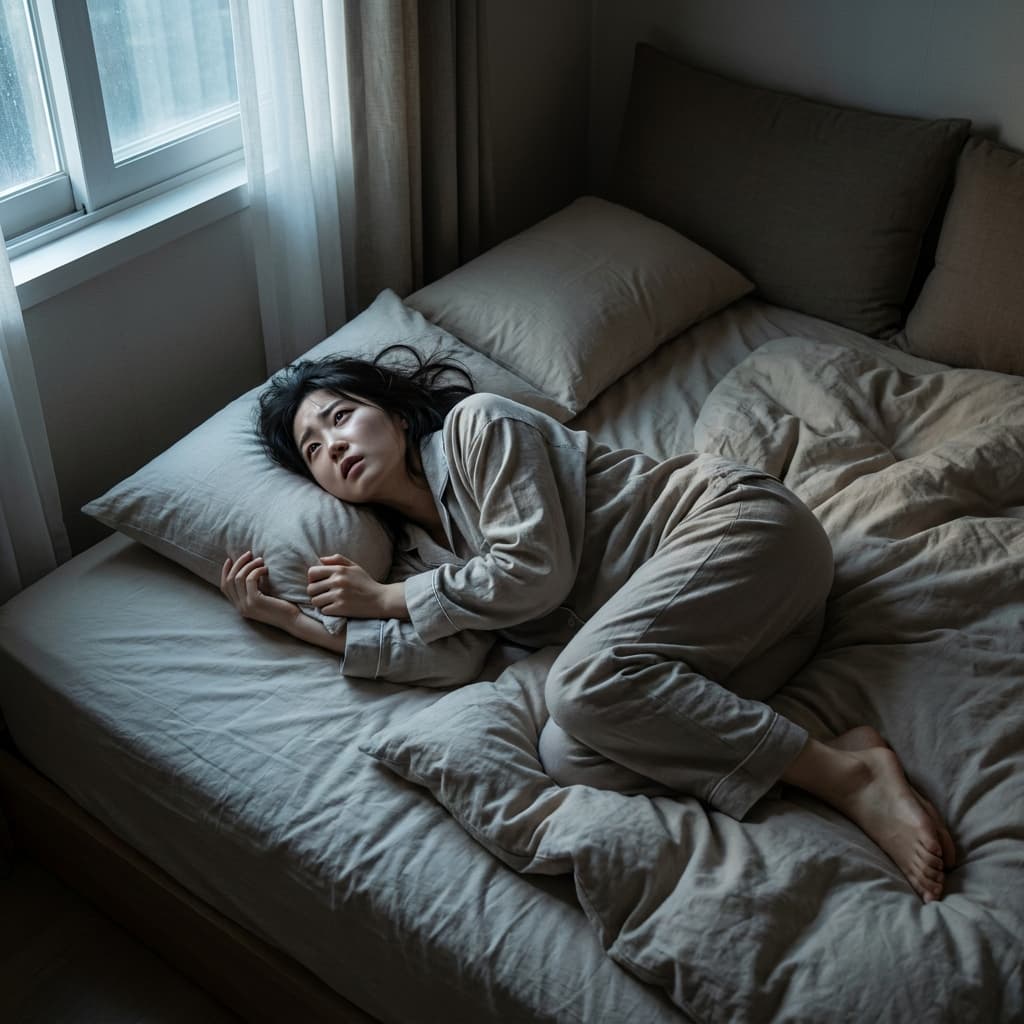
Shift work that flips day and night has a significant impact on our bodies. Many people find it difficult to fall asleep at set times, struggle through work hours, and feel constantly exhausted because they can't achieve deep sleep after returning home. In particular, if you experience subtle body tremors or are gripped by anxiety that prevents sleep, this might be more than simple fatigue; it could be a warning sign from your autonomic nervous system. Repeated shift work disrupts biological rhythms, often leading to autonomic dysfunction, where the body's regulatory functions fail.
💡 Key Answer The 3 most common causes for shift workers experiencing body tremors and insomnia: ① Autonomic Imbalance / ② Sleep-Wake Cycle Disruption / ③ Stress and Overwork Dalimchae Clinic approaches treatment through autonomic stabilization to restore the body's unbalanced rhythms and aid comfortable sleep.
Is the reason for body tremors and insomnia after shift work due to autonomic nerves?
Yes, sleep pattern disruption caused by shift work is one of the major causes of autonomic nervous system imbalance. Our bodies have a 24-hour biological rhythm (Circadian Rhythm) designed for activity during the day and rest at night. This rhythm determines hormone secretion, body temperature regulation, and sleep depth, and the autonomic nervous system operates in alignment with this rhythm. When shift work causes day and night to flip or results in irregular sleep, the biological clock becomes confused, easily breaking the balance between the sympathetic and parasympathetic nervous systems.
The sympathetic nervous system tenses the body and maintains alertness, while the parasympathetic nervous system relaxes the body and aids rest and digestion. Since shift workers must stay awake at night, the sympathetic nervous system remains excessively activated, making it difficult for the body to relax when it's time to sleep during the day. This autonomic imbalance can manifest as various physical symptoms such as anxiety, restlessness, body tremors (hand tremors), heart palpitations, indigestion, and chronic fatigue. In particular, if you feel a subtle trembling sensation or anxiety when lying in bed, you might suspect an overactive state of the autonomic nervous system.
How do shift workers' sleep patterns break down?
Shift work artificially disrupts our body's natural sleep-wake cycle. Specifically, night shifts suppress melatonin secretion and abnormally raise cortisol levels, reducing sleep quality. As a result, shift workers feel excessive sleepiness during work and find it difficult to sleep deeply even on off days. Beyond simple tiredness, it becomes hard to fall asleep or achieve restful sleep, increasing the risk of mistakes or accidents due to decreased concentration during work.
A study published in 'Frontiers in Neuroergonomics' in May 2024 analyzed heart rate variability (HRV) in 11 female shift workers and found changes in the multifractal properties of HRV during sleep compared to non-shift workers. This suggests that cardiovascular stress from shift work causes autonomic nervous system disruption. Additionally, a study to be published in 'Work: A Journal of Prevention, Assessment & Rehabilitation' in August 2024 investigated the impact of night shift work on sleep quality and the circadian patterns of HRV in 38 female nurses. The results showed that the night shift nurse group had significantly higher sleep quality scores (PSQI) compared to the day shift group, and HRV indicators such as SDNN, Total power, and HF (High Frequency) band power significantly decreased, while the LF/HF ratio significantly increased. This indicates that night shift work induces a tendency toward autonomic imbalance, specifically increased sympathetic activity and decreased parasympathetic activity. These research findings mean that shift work does more than just cause fatigue; it brings actual changes to autonomic nervous system function and is closely related to decreased sleep quality and increased risk of cardiovascular disease.
What problems arise if autonomic dysfunction is left untreated?
Autonomic dysfunction is a state where the body's automatic regulation system has failed. If left untreated, various symptoms can become chronic across the body or develop into more serious diseases. It starts with mild discomforts like body tremors or poor sleep, but over time, it affects various organs including the cardiovascular, digestive, and neuropsychiatric systems. For example, physical symptoms such as heart palpitations, irregular blood pressure, indigestion (Damjeok), irritable bowel syndrome, chronic headaches, dizziness, and tinnitus can appear. Furthermore, it can lead to psychological problems such as depression, anxiety disorders, and panic disorders.
In particular, a domestic study found that shift workers have a more than 4-fold higher risk of burnout due to sleep disorders compared to the general population. In a survey of 463 domestic shift workers presented at the 2026 Korean Sleep Research Society Symposium, night workers had the shortest average sleep time at 5 hours and 27 minutes compared to day workers (6 hours 48 minutes) or afternoon workers (7 hours 40 minutes), and the rate of Shift Work Disorder (SWD) was highest at 43.3%. Furthermore, the SWD risk group had an approximately 4.3 times higher risk of burnout compared to the normal group, increasing to about 4.6 times when accompanied by insomnia and daytime sleepiness. This data shows that autonomic imbalance and sleep disorders from shift work should not be overlooked and require active management.
Can Korean medicine treatment help with autonomic dysfunction caused by shift work?
Yes, Korean medicine views autonomic dysfunction from shift work as a state of broken balance within the body rather than simple fatigue or stress, and approaches treatment fundamentally. For neuropsychiatric diseases or functional symptoms where Western medicine finds no specific cause, Korean medicine focuses on restoring the overall harmony and balance of the body. Specifically, at Dalimchae Clinic Incheon Branch, we help the body find its own harmonious rhythm by calming the overheated nervous system through autonomic stabilization treatment. When the balance of autonomic nerves is broken, the brain cannot rest and maintains a constant state of tension. This state puts a strain on the entire body, much like an overheated car engine. Korean medicine emphasizes lowering the heat of the nervous system and creating an environment where the brain can rest—referred to as "Suseunghwagang" in Korean medicine.
A domestic study published in 'Complementary Therapies in Medicine' in 2011 evaluated the effect of Saam acupuncture on the autonomic nervous system of night shift nurses through HRV analysis. The results suggested that Saam acupuncture could help alleviate the imbalance of sympathetic and parasympathetic activities induced by night shift work. International health organizations have also announced that acupuncture treatment is useful for alleviating autonomic-related symptoms such as insomnia, anxiety, and stress, in addition to pain control. Furthermore, a 2021 domestic study in the 'International Journal of Environmental Research and Public Health' investigated the effect of meridian acupressure on stress, fatigue, and anxiety in 59 shift-working nurses. The study found that meridian acupressure significantly reduced stress, fatigue, and anxiety in shift-working nurses. This provides evidence that Korean medicine treatments can be effective in improving autonomic imbalance and its associated symptoms resulting from shift work. Based on this research data, Dalimchae Clinic Incheon Branch provides integrated Korean medicine treatments such as herbal medicine, acupuncture, moxibustion, cupping, and Chuna therapy tailored to each patient's constitution and symptoms to restore autonomic balance and help you regain healthy sleep and a stable daily life. We hope you find a path to a healthy life away from the suffering of body tremors and inability to sleep at Dalimchae Clinic, the Incheon autonomic nerve clinic.
Am I having Autonomic Dysfunction? Checklist
Check how many of the following items apply to you:
- I feel a subtle trembling sensation in my body when I lie down to sleep.
- It's hard to fall asleep at night, or I wake up frequently.
- I don't feel refreshed even after waking up in the morning and suffer from chronic fatigue.
- I suddenly feel heart palpitations or difficulty breathing.
- I feel anxious and restless for no particular reason, with severe mood swings.
- Digestion is poor, and I have gas or repeated diarrhea/constipation.
- I frequently feel headaches or dizziness.
- My hands and feet are cold, or I sweat abnormally in certain areas.
Judgment Criteria:
- 3 or more items: Autonomic imbalance suspected → Consider integrated Korean medicine treatment at Dalimchae Clinic.
- 5 or more items: Immediate visit for accurate diagnosis and treatment is recommended.
Q. How long should shift workers receive Korean medicine treatment? A. The treatment period for autonomic dysfunction caused by shift work varies depending on the severity of symptoms, work patterns, and stress factors. Generally, stable recovery can be expected when consistent treatment for more than 3 months is accompanied by lifestyle improvements.
Q. Can body tremors also be treated with Korean medicine? A. Yes, body tremors from shift work are deeply related to overactivity of the autonomic nervous system. Korean medicine relieves trembling symptoms by restoring the balance of the nervous system and focuses on resolving the fundamental cause to prevent recurrence.
Q. Can sleep disorders from shift work heal naturally? A. Sleep disorders from shift work often stem from disruption of biological rhythms, making them difficult to improve naturally unless work patterns are changed. Instead, they can become chronic and lead to other health problems, so active treatment and management are important.
Q. I have both insomnia and anxiety; can they be treated together? A. Yes, insomnia and anxiety are representative symptoms of autonomic dysfunction and are closely related. Dalimchae Clinic aims for overall mental and physical stability by treating the underlying autonomic imbalance that causes both symptoms.
Body tremors and inability to sleep are not problems solved by simply enduring. You no longer need to ignore the signals your body has been sending for a long time. When approached in the right direction, the body responds faster than you think. Bring your symptoms exactly as they are. At Dalimchae Clinic Incheon Branch, we will find the cause together.
Where life blooms. For herbal medicine, it's Dalimchae Korean Medicine Clinic. Check your symptoms similar to mine through the AI consultation on the Dalimchae Clinic website first!
This article is health information compiled by Dalimchae medical staff based on questions frequently received in the treatment room. Medical Supervision | Brain/Autonomic Nerve Treatment Standards Dalimchae Clinic Incheon Branch Korean Medicine Doctor Yang Yuchan (Autonomic Dysfunction Column)