
Hello. This is Dalimchae Korean Medicine Clinic.
"Ringing in My Ears": Can Tinnitus Really Be Treated?
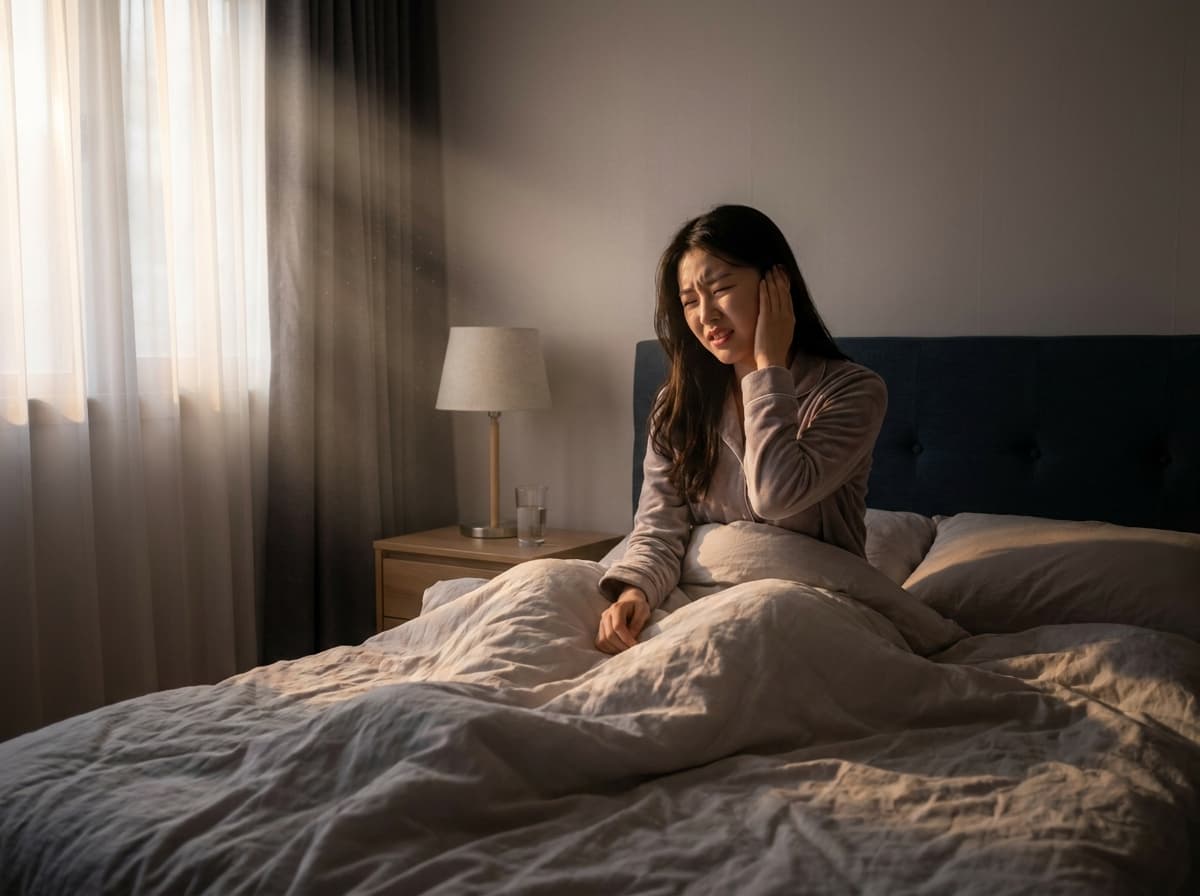
"I hear a ringing in my ears," "I hear cicadas," "I can't sleep because of the buzzing." Sounds that only you hear when there is no external sound—this is tinnitus. What starts as a fleeting sound can grow louder and more frequent, severely disrupting daily life and even causing depression or anxiety. Many people suffer from the fear that this sound might never go away. Tinnitus is not just a problem of the ears; it is closely linked to overall health, especially stress and autonomic nervous system imbalance.
💡 Key Answer The 3 most common causes of "ringing in the ears": ① Stress and overwork / ② Hearing loss and aging / ③ Autonomic nervous system imbalance. Dalimchae Clinic resolves the fundamental cause of tinnitus through autonomic stabilization, helping the brain react less sensitively to noise.
Why does ringing in the ears happen?
Tinnitus is a very common symptom, experienced by 10-15% of the adult population. It is not just a problem of the ears but is caused by a complex interplay of factors:
First, stress and overwork. Stress disrupts the autonomic balance, overactivating the sympathetic nervous system and preventing the brain from resting, making it hypersensitive to minute sounds.
Second, hearing loss and aging. About 80% of tinnitus patients also have hearing loss. When hearing decreases, the brain may generate abnormal nerve activity to compensate for the lack of auditory input.
Third, autonomic nervous system imbalance. Chronic tinnitus deeply involves the autonomic nervous system and the brain's limbic system. An imbalance creates a neural circuit for tinnitus and amplifies emotional responses, leading to anxiety, insomnia, and dizziness.
How can Korean medicine improve tinnitus?
Treatment focuses on improving quality of life by addressing the underlying imbalance.
A 2013 study published in Evidence-Based Complementary and Alternative Medicine (Choi EJ et al.) found that tinnitus patients showed decreased parasympathetic activity and increased sympathetic overactivity compared to healthy controls (P < 0.05). This suggests that treatments like acupuncture that regulate autonomic function can positively impact tinnitus.
Furthermore, a 2023 literature review in the Journal of Korean Medicine confirmed that acupuncture and transcutaneous electrical nerve stimulation (TENS) significantly improved tinnitus symptoms by regulating the autonomic nervous system.
Dalimchae’s Autonomic Stabilization Treatment
We focus on the root cause: autonomic stabilization. When the autonomic system is balanced, the brain can rest. In Korean medicine, we aim for 'Suseung-hwagang'—keeping the head cool and the abdomen warm.
Our 1:1 customized treatment includes:
- Acupuncture & Pharmacopuncture: Improves blood flow around the ears and stabilizes the nervous system.
- Custom Herbal Medicine: Relaxes the sympathetic nervous system and strengthens organ function.
Tinnitus Checklist
If you check 3 or more, you may have autonomic-related tinnitus:
- ( ) High stress or overwork recently.
- ( ) Difficulty falling asleep or waking up often.
- ( ) Hypersensitive to small noises.
- ( ) Frequent heart palpitations or chest tightness.
- ( ) Indigestion or nervous stomach issues.
- ( ) Chronic neck/shoulder tension and dizziness.
- ( ) Cold hands/feet but heat in the face/head.
- ( ) Frequent anxiety or depression.
[Judgment]
- 3+ items: Likely autonomic imbalance. Professional consultation recommended.
- 5+ items: Significant autonomic dysfunction. Immediate diagnosis and treatment are important.
Tinnitus is not something you should just endure. At Dalimchae Clinic, we find the cause together.
Life Blooms at Dalimchae. For herbal medicine, it's Dalimchae Korean Medicine Clinic.