
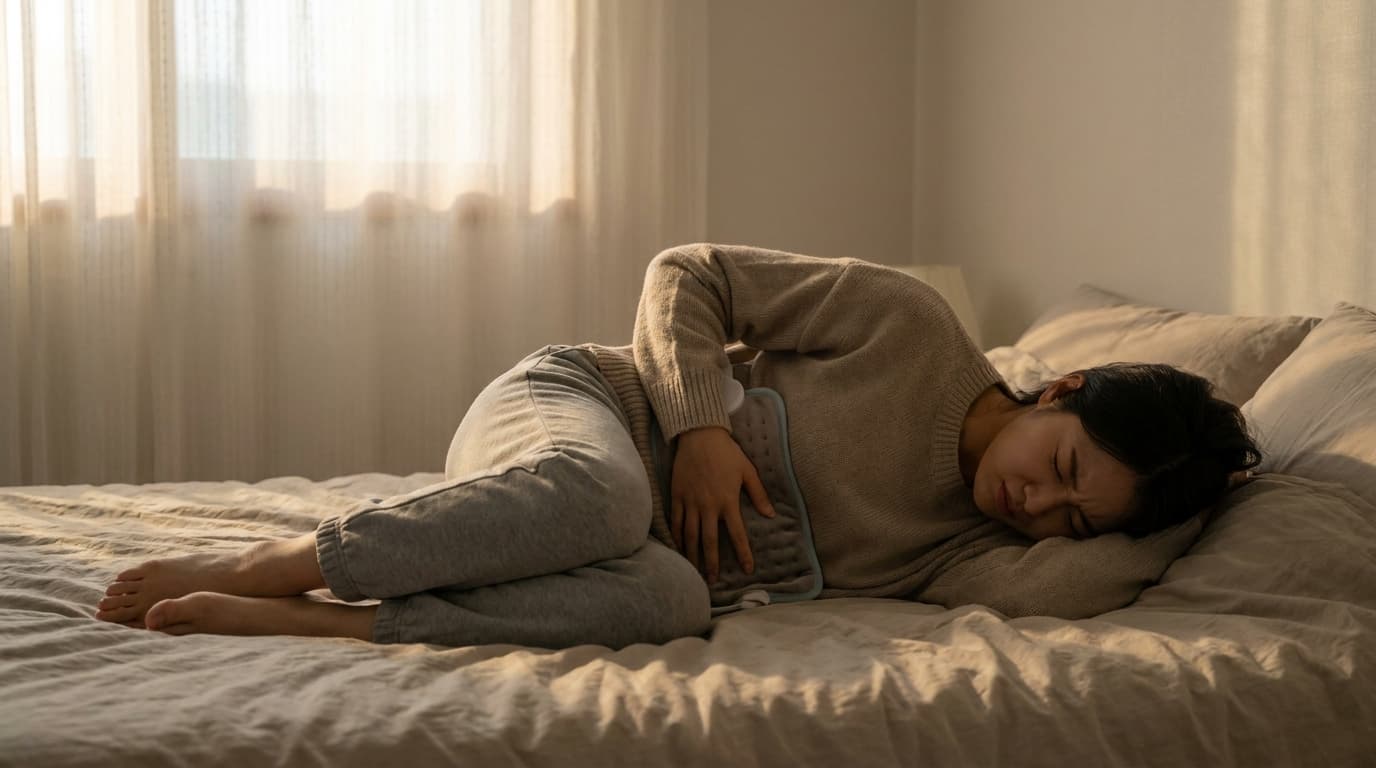
Hello. This is Dalimchae Oriental Medicine Clinic.
Sudden Increase in Menstrual Pain? Could It Be Because of 'This'?
The menstrual pain that comes every month is an inconvenience in itself, but for those who complain that their menstrual pain has suddenly become severe, their hearts are even heavier. When the pain becomes so severe that it is difficult to go about daily life, it is natural to feel anxious and worry, 'Is there something wrong with my body?' Menstrual pain that is different from usual can be an important signal from our body.
💡 Key Answer The 3 most common causes of suddenly worsened menstrual pain: ① Uterine organic problems such as adenomyosis and endometriosis / ② Autonomic nervous system imbalance caused by stress and overwork / ③ Oriental medical constitutional factors such as Eohyeol (stagnant blood) Dalimchae Clinic focuses on resolving the root cause through 'constitutional improvement' and building the body's own power to heal itself.
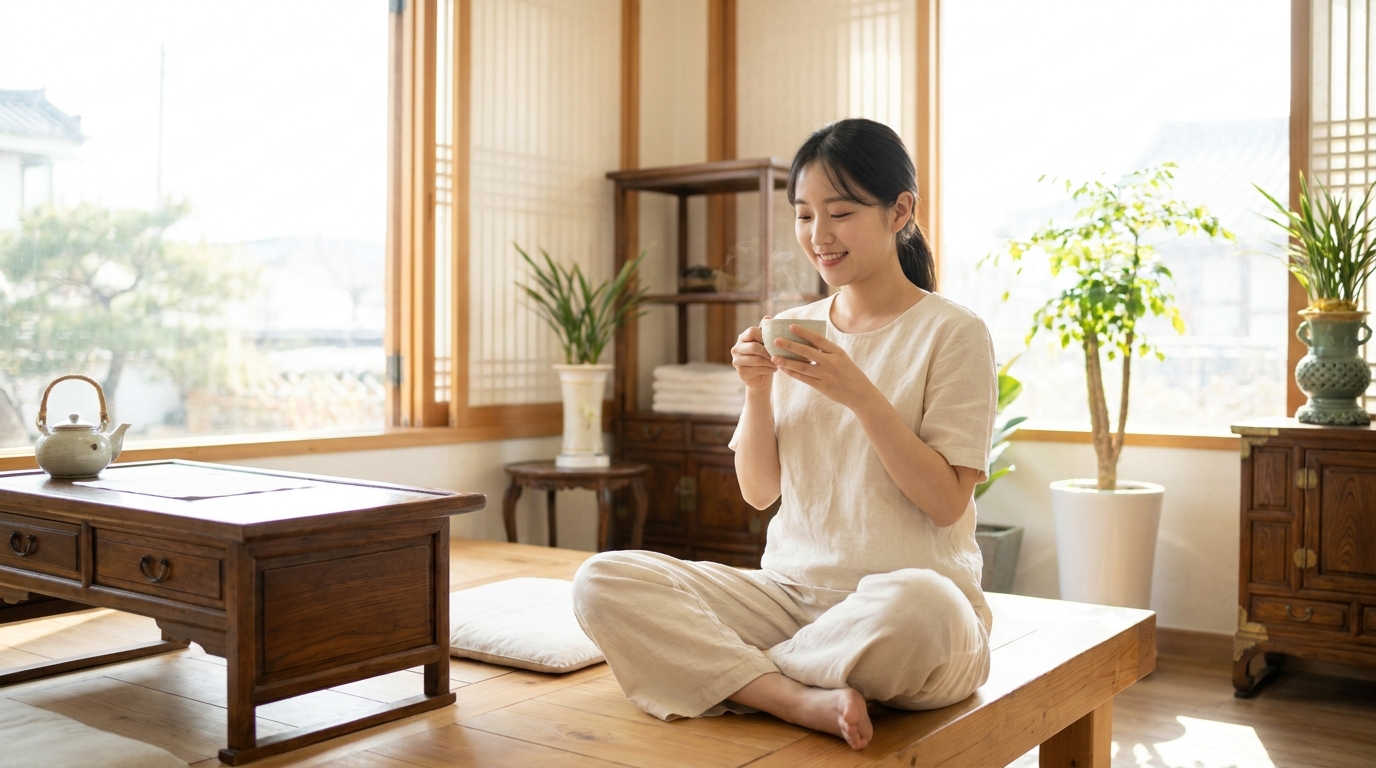
Why does menstrual pain suddenly become severe? It might not be simple menstrual cramps.
Many women regard menstrual pain as a matter of course and rely on painkillers. However, if the pattern of pain changes or the intensity increases rapidly, the story is different. This change is highly likely not just because of the condition of the day. Uterine problems such as adenomyosis, endometriosis, and uterine fibroids, confusion of the autonomic nervous system caused by stress and overwork, and internal circulation problems such as 'Eohyeol (瘀血)' mentioned in Oriental medicine can all act in a complex manner. In particular, even if there are no special abnormalities in examinations, if the pain persists, we should see if the balance of our body is broken.
Uterine adenomyosis is a major cause of worsening menstrual pain.
If menstrual pain suddenly becomes severe, 'uterine adenomyosis' can be suspected. Uterine adenomyosis is a disease in which endometrial tissue penetrates into the uterine muscle layer, thickening the uterine wall and enlarging the entire uterus. This causes excessive uterine contractions and inflammatory reactions during menstruation, leading to extreme menstrual pain and excessive menstruation. Uterine adenomyosis is known as a chronic gynecological disease that affects 20-35% of women of childbearing age, and can significantly reduce the quality of life by causing severe menstrual pain, heavy menstrual bleeding, and anemia.
Western medicine considers hormone therapy or surgical treatment, but non-surgical treatments are often preferred due to side effects or effects on pregnancy. At this time, herbal treatment can be an effective alternative. Menstrual pain caused by adenomyosis must solve the fundamental problem by improving blood circulation and removing Eohyeol in the uterus.
How does herbal medicine help with menstrual pain and adenomyosis?
In Oriental medicine, the cause of suddenly worsened menstrual pain is found in uterine Eohyeol (瘀血), Qi and blood circulation disorders, and systemic constitutional imbalance. Eohyeol is a state in which blood is stagnant and waste products are accumulated, which interferes with the blood supply to the uterus and worsens inflammation, causing pain. At Dalimchae Clinic Songdo, we prescribe herbal medicine that strengthens uterine function by removing Eohyeol according to individual constitution and symptoms and facilitating blood circulation in the uterus and pelvic cavity.
In fact, research results are being published showing that herbal medicine is effective in improving menstrual pain and adenomyosis symptoms.
A multi-center observational study by Soo-Hyun Sung's team published in the journal 'Frontiers' in 2026 reported the results of treatment with customized herbal medicine (Traditional Herbal Decoctions, THDs) for 119 women suffering from primary menstrual pain. In this study, the group treated with herbal medicine showed a significantly greater decrease (estimate -1.41, p=0.029) in pain intensity (Numeric Rating Scale, NRS) at the second visit compared to the non-treatment group, and the use of painkillers also significantly decreased statistically (estimate -1.63, p=0.001). The researchers concluded that individually customized herbal medicine can be effective in reducing the intensity of menstrual pain and the consumption of painkillers in an actual clinical environment. These research results suggest that customized herbal medicine treatment at Songdo Menstrual Pain Clinic can provide practical help to patients suffering from suddenly worsened menstrual pain.
In addition, a systematic review and meta-analysis of Eun-Jin Kim's team published in the journal 'MDPI' in 2025 analyzed the effect of combined administration of herbal medicine after high-intensity focused ultrasound (HIFU) treatment for 1,259 patients with uterine adenomyosis. This study, summarizing 14 randomized controlled trials, reported that the herbal medicine combined group showed superior effects in reducing uterine volume (MD = -11.84, p < 0.00001), lesion volume of adenomyosis (MD = -2.86, p < 0.00001), and menstrual pain improvement (MD = -0.54, p < 0.00001) compared to the HIFU-only treatment group. This shows that the Oriental medicine approach can be an effective complementary therapy for severe menstrual pain caused by adenomyosis. At Dalimchae Clinic, we focus on solving the root cause of adenomyosis and menstrual pain based on such modern medical research.
Dalimchae Clinic's 'Constitutional Improvement' treatment pulls out the root of symptoms
At Dalimchae Clinic, we focus on 'constitutional improvement' so that the body itself does not create symptoms again, rather than simply alleviating the symptoms of patients who complain that their menstrual pain has suddenly become severe. Our body is one organism, and uterine problems are not independent but may be the result of a systemic imbalance.
Constitutional improvement treatment aims not only to extinguish uncomfortable symptoms but also to correct the energy flow of the body, strengthen immunity, and harmonize the functions of the five viscera and six bowels to create a body where symptoms do not turn on again. This promotes overall health improvement by simultaneously improving various factors that worsen menstrual pain, such as lower abdominal coldness, chronic fatigue, indigestion, and stress. Many people visiting the Songdo Gynecological Disease Clinic are regaining surprising health through this fundamental treatment.
Check the health of your uterus first with self-diagnosis.
Suddenly worsened menstrual pain, self-checklist If 3 or more of the following apply, you need to consider precise diagnosis and constitutional improvement treatment at Dalimchae Clinic.
- Menstrual pain has become more severe than before or the dose of painkillers has increased.
- The amount of menstruation has suddenly increased or blood clots are often seen.
- Discomfort or pain is felt in the lower abdomen even when it is not during the menstrual period.
- Emotional ups and downs such as fatigue, helplessness, and irritation are severe before and after menstruation.
- The hands, feet, or lower abdomen always feel cold (lower abdominal coldness).
- The menstrual period has become irregular or the cycle has shortened.
- Digestion is not good or the lower abdomen is often bloated.
- Often feel dizziness or anemia symptoms.
If 3-4 apply → Suspect uterine health abnormality signal, recommend expert consultation If 5 or more apply → Immediate visit to Songdo Clinic and precise examination recommended
FAQ: Questions about suddenly worsened menstrual pain
Q. Can suddenly worsened menstrual pain heal naturally? A. In the case of temporary stress or fatigue, it may improve naturally, but in the case of organic causes such as adenomyosis or endometriosis, natural healing is difficult and the symptoms may worsen. It is important to receive appropriate treatment after accurate diagnosis of the cause.
Q. Is adenomyosis also treated with Oriental medicine? A. Yes, adenomyosis can also be expected to have good effects with Oriental medicine treatment. Herbal treatment relieves pain and excessive menstruation symptoms caused by adenomyosis by removing Eohyeol in the uterus and improving blood circulation, and helps normalize uterine tissue. In particular, it is considered a non-surgical treatment when surgery is burdensome.
Q. How long do I have to take herbal medicine for menstrual pain? A. It varies depending on the individual's constitution, degree of symptoms, and the cause of the disease, but generally a steady treatment period of about 3 to 6 months is recommended. Initially, we focus on pain relief, and then we focus on preventing recurrence and improving constitution to help the body become healthy on its own.
Q. I have menstrual pain and infertility together, can they be treated together? A. Menstrual pain and infertility are often related. In particular, problems in the uterine environment, such as adenomyosis and endometriosis, cause menstrual pain and can cause infertility. At Dalimchae Clinic, we help you solve both problems at the same time through constitutional improvement treatment that improves the uterine environment and restores general health.
Suddenly worsened menstrual pain is not a problem that can be solved by enduring it. You no longer have to ignore the signals your body has been sending for a long time. If approached in the right direction, the body responds faster than you think. Bring your symptoms exactly as they are. Dalimchae Clinic will find the cause together.
Where life blooms. For herbal medicine, it's Dalimchae Clinic. Check your symptoms first with the AI consultation on the Dalimchae Clinic website!
This health information was compiled by the Dalimchae medical team based on frequently asked questions in the examination room. Medical Supervision | Dalimchae Clinic Songdo Branch, Oriental Doctor Oh Hyun-min (Adenomyosis Column)