
Hello. This is Dalimchae Korean Medicine Clinic.
Sudden Heart Palpitations and Anxiety? It's a Danger Signal Sent by Your Body.
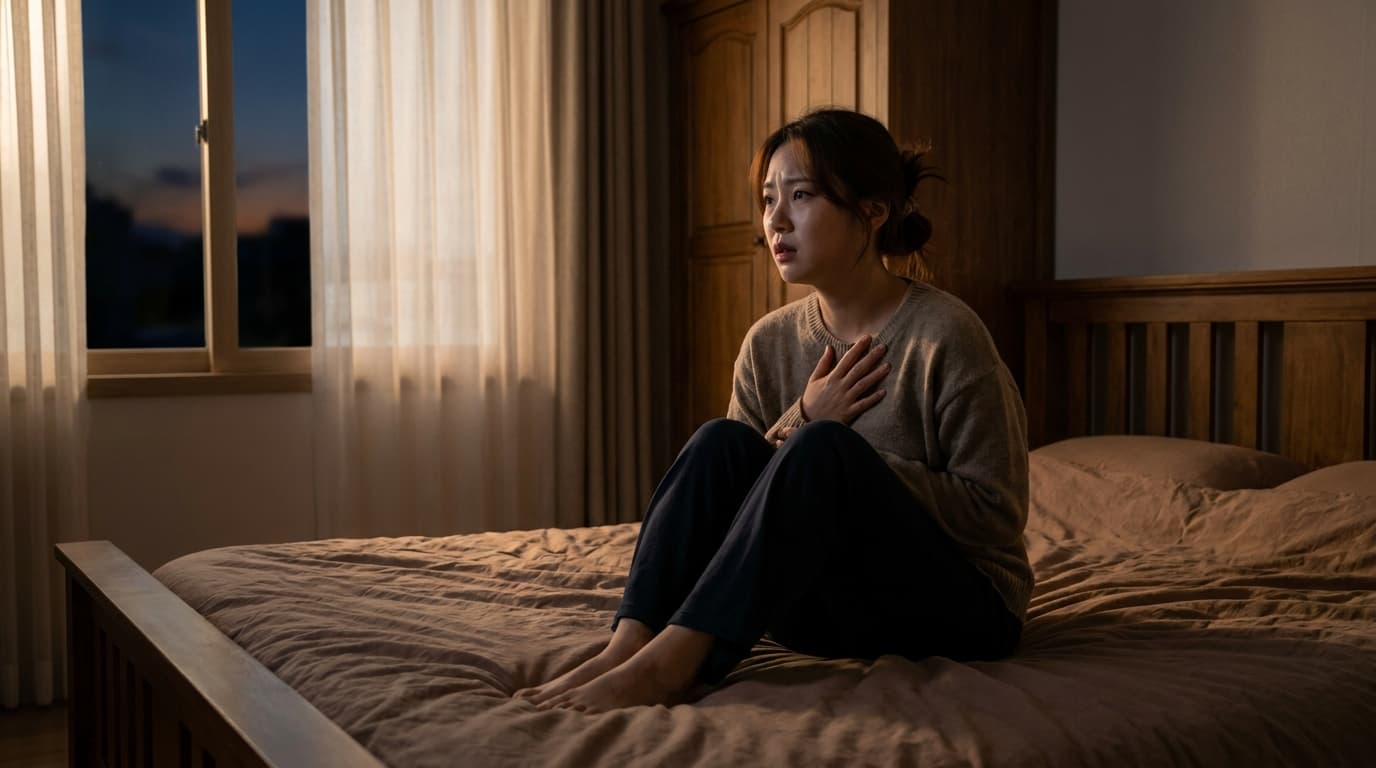
Many patients visit our clinic complaining, "Suddenly my heart is pounding and I feel anxious." Experiencing moments when your heart beats frantically and you feel like you are suffocating without warning, when you were fine before, brings suffering beyond imagination. Thinking "Could this be heart disease?" or "Is something wrong with me?", patients visit the emergency room, but test results always return as 'normal.' This state where the body clearly sends abnormal signals but the cause remains unknown only increases frustration and wears down the mind.
💡 [Key Answer] Top 3 most common causes of sudden heart palpitations and anxiety symptoms: ① Autonomic Nervous System Imbalance: Excessive sympathetic nervous system hyperactivity due to stress causes increased heart rate and anxiety. ② Brain Function Overload: The brain fails to get enough rest due to excessive thinking and worry, leading to impaired emotional regulation. ③ Weakened Heart Function: A 'simheo' (heart deficiency) state in Korean medicine where the heart fails to supply blood properly, resulting in palpitations and anxiety. Dalimchae Korean Medicine Clinic solves the root cause of anxiety by connecting body and mind through autonomic stabilization treatment.
Sudden Palpitations and Anxiety: Could It Be Anxiety Disorder?
Heart palpitations and anxiety are among the common discomforts of modern people. While many dismiss these symptoms as mere stress or overwork, if they recur to the point of disrupting daily life or are uncontrollable, they may signal anxiety disorder or autonomic imbalance. Anxiety disorders manifest in various forms, including panic disorder, agoraphobia, social anxiety disorder, and generalized anxiety disorder characterized by persistent worry and anxiety. During panic attacks especially, individuals experience extreme fear as if facing death, accompanied by rapid heartbeat, shortness of breath, sweating, chest pain, and breathing difficulties. These physical symptoms and psychological anxiety are closely linked, forming a vicious cycle that significantly degrades quality of life.
Autonomic Imbalance Consuming Body and Mind: How Does Korean Medicine View It?
The autonomic nervous system is a vital system that unconsciously regulates our bodily life activities. It plays an essential role in maintaining life by controlling heart rate, respiration, digestion, and body temperature through the balance of the sympathetic and parasympathetic nervous systems. However, when this balance breaks down due to chronic modern stress and irregular lifestyles, a broad disorder state called 'autonomic imbalance' can appear.
In Korean medicine, autonomic imbalance is interpreted as disharmony of yin and yang or imbalance of visceral organ functions. Particularly, palpitations and anxiety related to the heart are described as 'gyeonggye' (fright palpitations) or 'jeongchung' (severe palpitations), and excessive worry damaging heart and spleen qi as 'simbi yangheo' (heart-spleen dual deficiency). When liver qi stagnates due to stress and overwork, it affects heart function, inducing chest tightness and anxiety. Among many patients visiting Songdo anxiety clinic, palpitations and anxiety are not merely psychological issues, but warning signals from deep within the autonomic nervous system. Statistical data shows that physical symptoms among autonomic imbalance patients are led by 'heart palpitations' at 59%, and psychological/mental symptoms by 'anxiety/agitation' at 88%. This demonstrates that anxiety and palpitations are core symptoms of autonomic imbalance.
Anxiety and Palpitations: What is the Scientific Basis for Korean Medicine Treatment?
Korean medicine treatments have proven their efficacy against anxiety disorder and heart palpitations through long clinical experience and modern research. Herbal medicine and acupuncture help regulate autonomic balance, calm brain overload, and strengthen heart function to improve symptoms.
A 2024 study published in PubMed, titled "The Mental Health Outcomes and Cost Estimates of Korean Medicine for Anxiety Disorder Patients," retrospectively analyzed the effects of Korean medicine treatment on 67 anxiety disorder patients. After 4주 of treatments including acupuncture, psychotherapy, Chuna therapy, aromatherapy, and herbal medicine, patients showed significant decreases in anxiety indices (STAI X-1, STAI X-2, BAI), depression indices (BDI-II), and anger indices (AKI-K-I, AKI-K-O) (p<0.0001 or p<0.05), along with significant improvements in quality of life (EQ-5D, EQ-VAS). The researchers concluded that Korean medicine treatment positively impacts clinical symptom improvement and quality of life enhancement in anxiety disorder patients.
Additionally, a 2012 case analysis and action mechanism study of Younggyegamjotang for panic disorder patients by Director Noh Young-beom published in the Journal of the Association of Korean Sanghan Geumgeوي Medical Science reported treating a patient in their 30s with severe anxiety using herbal medicine (Younggyegamjotang) alone for 3 months. Although the patient's BAI (Beck Anxiety Inventory) score reached 36 points, heart palpitations and anxiety began to improve within half a month of treatment, and panic attack symptoms completely disappeared after two months. The researchers explained that Younggyegamjotang corrected neurotransmitter functions in the central nervous system and activated fundamental functions enabling the autonomic system to regulate itself. These data robustly support Dalimchae Korean Medicine Clinic's treatment principles for restoring autonomic balance and stabilizing the brain.
Songdo Anxiety Treatment: How Does Dalimchae Korean Medicine Clinic Songdo Branch Approach It?
Dalimchae Korean Medicine Clinic Songdo Branch understands sudden palpitations and anxiety not merely as psychological issues, but as warning lights sent by the overall bodily system. Specifically, by correcting the imbalance between overly hyperactive sympathetic nerves and exhausted parasympathetic nerves through autonomic stabilization treatment, we help the body regain its self-healing power.
When autonomic balance collapses, the brain cannot rest. Like an overheated engine continuously sounding warning alarms, autonomic imbalance keeps the brain in a state of constant tension, causing various symptoms such as anxiety, agitation, heart palpitations, sleep disorders, headaches, and dizziness. Dalimchae's autonomic stabilization treatment focuses on lowering nervous system heat and creating an environment where the brain can rest. Korean medicine calls this 'Suseung-hwagang' (rising water and descending fire)—keeping the head clear and cool while maintaining the lower abdomen warm to ensure smooth overall energy circulation. Through this, we regulate excessive stress responses, lower anxiety, calm excessive rapid heartbeats, and help patients return to a state of peace.
Customized herbal prescriptions tailored to individual constitutions and symptoms improve autonomic regulatory capacity and promote qi and blood circulation to enhance bodily recovery. Furthermore, Heart Rate Variability (HRV) tests objectively assess current autonomic activity and balance, which is paired with custom acupuncture, pharmacopuncture, and counseling to heal both body and mind. Recovering autonomic balance at our Songdo clinic goes beyond merely suppressing symptoms to reclaiming a healthy, anxiety-free daily life.
Self-Checklist for Those Experiencing Sudden Palpitations and Anxiety
If 3 or more of the following apply to you, your autonomic nervous system may be sending danger signals:
- Experiencing sudden rapid heartbeat and shortness of breath at unexpected moments.
- Feeling extreme fear of dying or losing control.
- Accompanied by physical symptoms such as chest tightness, cold sweats, dizziness, or hand/foot numbness.
- Avoiding specific places or situations (crowded areas, public transportation, etc.) out of fear that anxiety attacks will recur.
- Difficulty falling asleep at night, frequent waking, or unrefreshed sleep.
- Easily startled or tense over minor things, with incessant trivial worries.
- Frequent indigestion, bloating, or nervous stomach issues.
- Unclear head, decreased concentration, and impaired memory.
- Frequent neck/shoulder stiffness and unexplained muscle pain.
Evaluation Criteria:
- 3-4 items applicable: Suspected early-stage autonomic imbalance; lifestyle improvement and professional consultation recommended.
- 5+ items applicable: Stage requiring active autonomic stabilization treatment; in-depth consultation with Dalimchae Korean Medicine Clinic Songdo Branch medical staff is advised.
Q. How long do sudden heart palpitations (palpitations) last? A. Duration varies depending on the cause and individual. When accompanied by panic attacks, they can last from a few minutes to tens of minutes; due to chronic autonomic imbalance, they may appear irregularly throughout the day.
Q. Can anxiety disorders be treated with Korean medicine? A. Yes, anxiety disorders can be sufficiently improved through Korean medicine. Herbal medicine, acupuncture, pharmacopuncture, and counseling help align autonomic balance and promote brain stabilization to alleviate anxiety symptoms and prevent recurrence.
Q. Is there anything I can do immediately when feeling anxious and experiencing palpitations? A. When anxiety rises, breathing slowly helps. Abdominal breathing activates the parasympathetic nervous system and relieves tension. Drinking warm tea or light stretching is also good for mind-body stability.
Q. Can sudden palpitations and anxiety be treated alongside other conditions? A. Yes, autonomic imbalance is often accompanied by various symptoms such as headaches, dizziness, insomnia, and indigestion. Dalimchae Korean Medicine Clinic connects these complex symptoms into integrated care to help restore overall health.
Sudden palpitations and anxiety are not problems solved by endurance. You no longer need to ignore the signals your body has sent for a long time. When approached in the right direction, the body responds faster than you think. Bring your current symptoms just as they are. Dalimchae Korean Medicine Clinic Songdo Branch will find the cause together with you.
Where life blooms. For herbal medicine, it's Dalimchae Korean Medicine Clinic. Check your similar symptoms through the AI consultation on the Dalimchae Korean Medicine Clinic website first!
This article is health information organized together by Dalimchae medical staff based on questions frequently received in the treatment room. Medical Supervision | Brain & Autonomic Nervous System Treatment Standards: Dalimchae Korean Medicine Clinic Songdo Branch Korean Medicine Doctor Oh Hyunmin (Anxiety Disorder Column)