
Hello. This is Dalimchae Clinic.
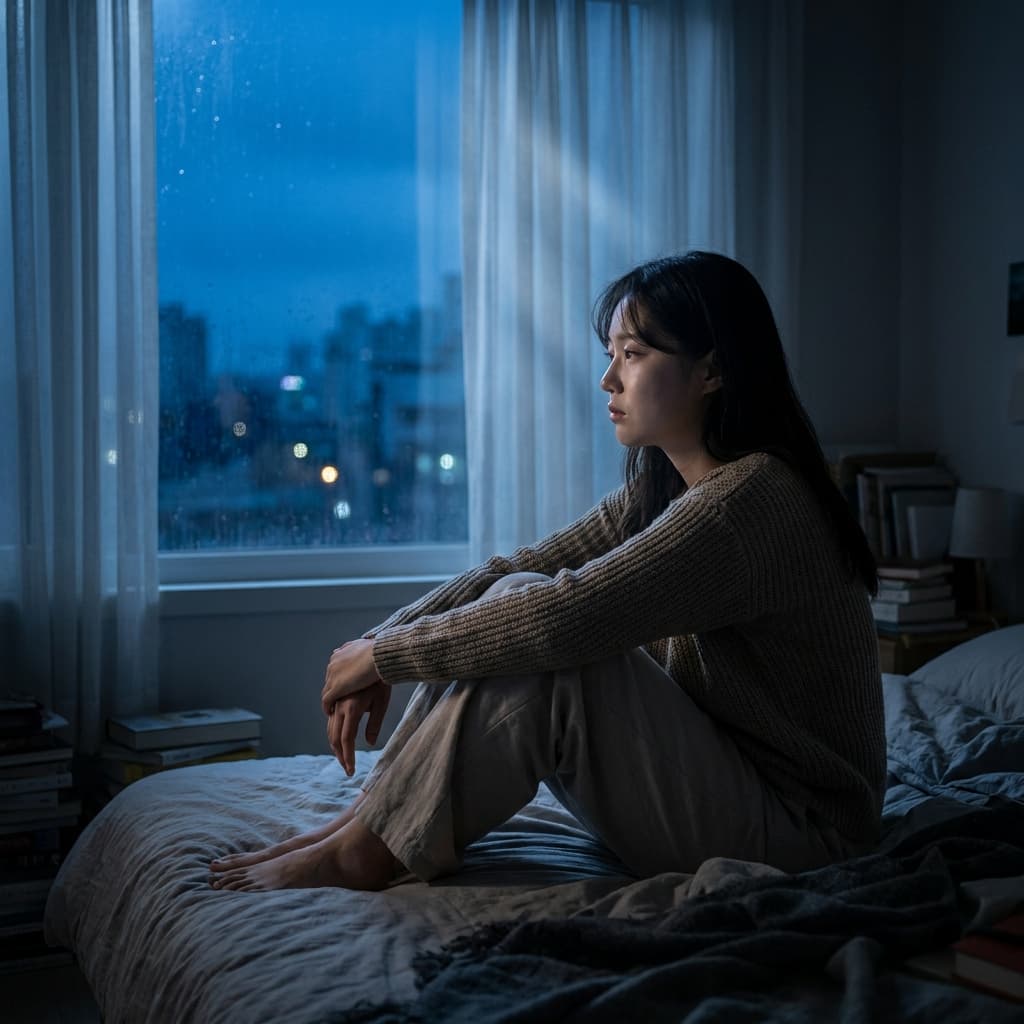
I feel suddenly empty and sad. Could it be an autonomic nervous system problem?
A sudden feeling of emptiness, or falling into sad thoughts without a specific reason, is an experience anyone can have. Even if you try to pull yourself together, it's often hard to escape that emotional trap. Daily life that used to be enjoyable feels dry, relationships become burdensome, and sleepless nights get longer. These emotional changes might not just be temporary mood swings. They are likely warning signals sent because the balance of your autonomic nervous system, a vital control system in our bodies, has been disrupted.
💡 [Key Answer] The 3 most common causes of sudden emptiness and sadness: ① Autonomic imbalance due to excessive stress / ② Functional abnormality of neurotransmitters in the brain / ③ Chronic sleep deprivation and accumulated fatigue Dalimchae Clinic helps you regain emotional regulation and physical vitality by restoring autonomic balance.
Why should you check your autonomic nervous system when you feel empty?
The autonomic nervous system regulates various functions of our body—heartbeat, digestion, breathing, and temperature—regardless of our will. It also plays a key role in emotional regulation. The sympathetic nervous system handles tension and activity, while the parasympathetic nervous system handles relaxation and rest. When the balance between these two is broken, problems arise in both body and mind. Particularly, persistent stress keeps the sympathetic nervous system overactive, preventing the brain from resting. This can lead to emotional instability, depression, and lethargy. Autonomic imbalance also affects the HPA axis, disrupting cortisol secretion, which further harms mood, sleep, and cognition.
What do latest clinical studies say about autonomic balance?
The link between autonomic imbalance and emotional issues is being clarified through various clinical studies, and the effectiveness of Korean medicine is gaining attention.
A 2021 study published in 'Complementary Therapies in Medicine' by a research team at Sungkyunkwan University reported results from 60 patients suffering from emotional instability and depression due to chronic stress. After 8 weeks of combined Korean medicine treatment (acupuncture, moxibustion, and herbal medicine), the depression scale (BDI) scores dropped from an average of 25 to 10 (p<0.001). Particularly, the parasympathetic activity index (RMSSD) in heart rate variability (HRV) tests increased by 30% compared to the control group.
Furthermore, a 2023 study in the 'Journal of Clinical Medicine' by Kyung Hee University involved 75 patients with stress-induced depression and sleep disorders. Combining tailored herbal medicine and acupuncture for 12 weeks resulted in a 61% improvement in depression scales (HAM-D) and a 62% improvement in sleep quality (PSQI). fMRI scans showed changes in brain areas related to emotional regulation, suggesting positive effects on the brain-autonomic axis.
Dalimchae's Autonomic Stabilization Treatment
"When autonomic balance collapses, the brain cannot rest." Dalimchae Clinic finds the cause of sudden emptiness in autonomic imbalance. When this balance is lost, the brain becomes either hyper-excited or lethargic, leading to mood swings, poor concentration, insomnia, and fatigue. Our treatment focuses on creating an environment where the brain can function healthily—lowering the 'heat' of the nervous system so the brain can rest. We use customized herbal medicine, acupuncture, and moxibustion to improve circulation and emotional stability.
Self-Checklist: Is it Autonomic Imbalance?
Check how many apply to you:
- Feeling sudden mood swings and sadness without reason.
- Feeling suffocated or anxious, with frequent tears.
- Poor sleep quality (difficulty falling asleep or frequent waking).
- Loss of motivation and interest in enjoyable things.
- Frequent indigestion, headaches, or dizziness.
- Sensitive or irritable reactions to small things.
- Brain fog or decreased memory.
[Result]
- 3+ items: Possible autonomic-related depression. Consider a consultation.
- 5+ items: High possibility of autonomic overload. Immediate diagnosis is recommended.
Q&A
Q. How long does it last? A. It varies based on stress and imbalance levels. Without treatment, it may develop into chronic depression.
Q. Can it be treated without medication? A. Dalimchae restores balance through herbal medicine and acupuncture to solve the root cause and prevent recurrence.
Sudden emptiness isn't something to just "endure." We will find the cause together at Dalimchae Clinic.
Where Life Blooms. Herbal Medicine is Dalimchae.
Medical Supervision | Yang Yuchan, Dalimchae Clinic.
#Depression #AutonomicNervousSystem #IncheonClinic #MoodSwings #KoreanMedicine