
Hello, this is Dalimchae Korean Medicine Clinic.
Sudden Abdominal Pain and Urgent Bathroom Visits on the Way to Work: Could it be Irritable Bowel Syndrome (IBS)? No More Chronic Pain and Diarrhea!
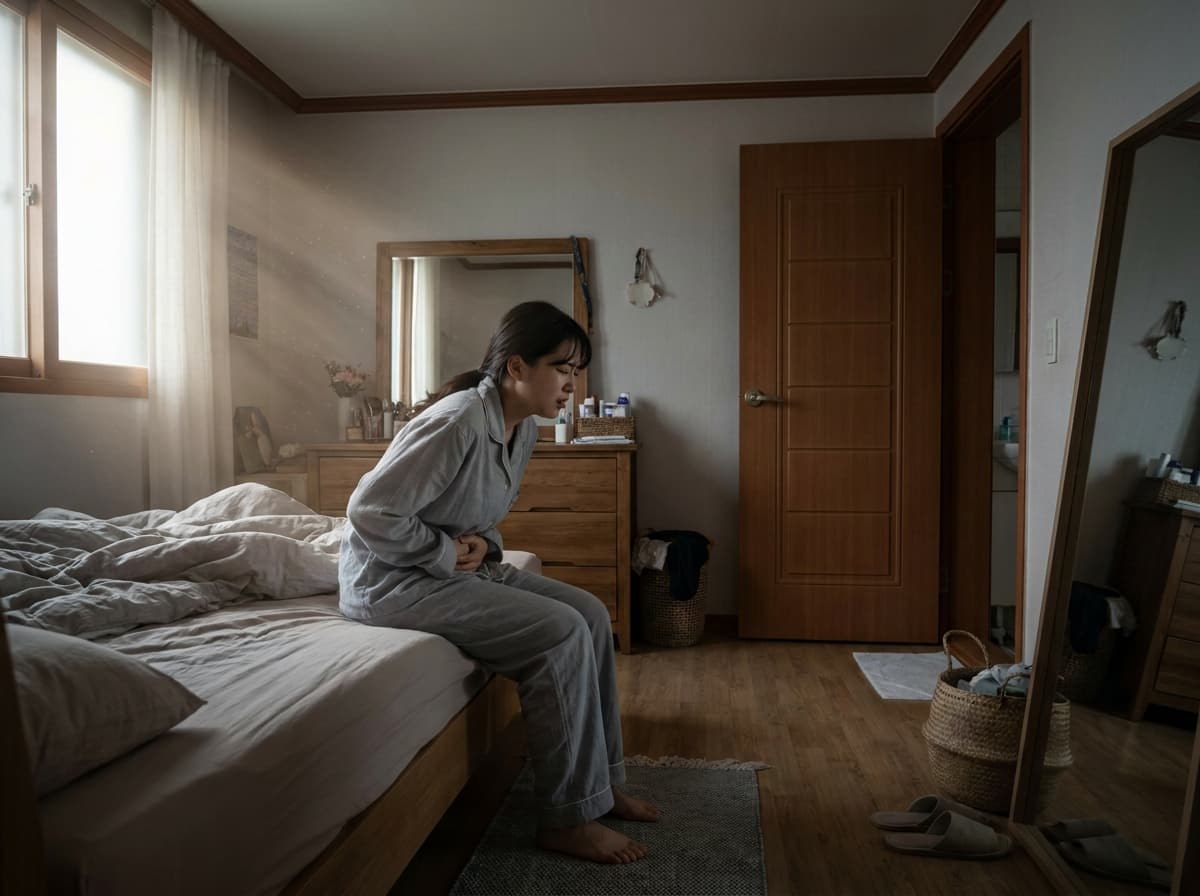
Do you feel a surge of anxiety every morning and experience sudden abdominal pain or cold sweats on the subway or bus? Many people struggle with the urge to visit the bathroom repeatedly before important meetings or in unexpected situations. This discomfort significantly lowers the quality of life and causes great stress and anxiety at crucial moments. Are you also harboring such unspoken concerns?
💡 Key Answer The 3 most common causes of abdominal pain and frequent bathroom visits on the way to work: ① Extreme stress and autonomic nervous system imbalance / ② Intestinal microbiome abnormalities and weakened intestinal barrier function / ③ Abnormal intestinal sensitivity and changes in peristalsis. Dalimchae Korean Medicine Clinic restores the balance of the Gut-Brain Axis through Gut Detox treatment to reduce intestinal hypersensitivity and foster the body's natural healing power.

Why does my stomach hurt only when I'm on my way to work? Is it really because of stress?
Many who complain of sudden abdominal pain on their way to work may suspect Irritable Bowel Syndrome (IBS). IBS is a functional gastrointestinal disorder characterized by chronic abdominal pain, discomfort, and changes in bowel habits (diarrhea, constipation, or both) without a specific organic disease. If these symptoms worsen specifically during the commute or before important schedules, the influence of stress and the autonomic nervous system is likely significant.
The gut is often called the 'second brain' because it is closely connected to the brain. This is known as the Gut-Brain Axis. When stressed, signals sent from the brain to the gut can be disrupted, leading to excessive peristalsis or heightened sensitivity. This causes the gut, which is normally fine, to react hypersensitively in specific situations (commute tension, anxiety, etc.), inducing pain and diarrhea. Dalimchae Clinic views this autonomic imbalance as a critical cause and approaches treatment accordingly.
How is IBS different from a simple upset stomach?
IBS and a simple upset stomach may look similar, but there are key differences. An upset stomach usually has a clear cause, like food poisoning or certain foods, and improves within a few days. However, IBS is a chronic condition where abdominal pain and bowel changes repeat for more than 3 months without a specific disease or infection.
Furthermore, IBS is highly sensitive to stress, and symptoms like pain or diarrhea typically do not occur during sleep. Since tests often show no specific abnormalities, many patients are misunderstood as having "psychological problems." However, this is a real functional abnormality of the gut, and we emphasize an integrated approach to solve these functional issues.
How does Korean Medicine view IBS?
In Korean Medicine, IBS is categorized under 'Jang-gyeol-jeung' (intestinal stagnation), diarrhea, or abdominal pain. Symptoms related to stress are interpreted in connection with 'Gangi-ulgyeol' (liver qi stagnation) or 'Simbi-bulhwa' (disharmony between heart and spleen). This refers to a state where the gut cannot function properly due to an imbalance in the Gut-Brain Axis, specifically autonomic instability. It's understood not just as a gut problem, but as a systemic imbalance where the gut reacts sensitively.
When the intestinal wall weakens and the microbiome balance is broken, 'Leaky Gut Syndrome' can occur. Intestinal toxins enter the blood, causing immune reactions and further worsening gut function. To resolve this total imbalance, Dalimchae Clinic helps the gut recover its function through Gut Detox.
Efficacy of Korean Medicine: IBS Clinical Study Cases
A study published in the Journal of Ethnopharmacology (2023) showed that Korean Medicine treatment is effective in relieving IBS symptoms. In a study of 120 IBS patients over 8 weeks, herbal treatment reduced abdominal pain scores by an average of 32% (p<0.01) compared to the placebo group, with significant improvement in bowel habits. Notably, it confirmed a decrease in specific inflammatory markers related to Gut-Brain Axis regulation.
Another study published in BMC Complementary Medicine and Therapies (2021) reported that a combination of acupuncture and herbal medicine for 90 IBS patients significantly reduced abdominal pain intensity by 25% (p<0.05) after 6 weeks. Researchers explained that this combined approach positively affects gut motility and inflammation. These findings provide a scientific basis for Dalimchae's Gut Detox treatment.
How does Dalimchae's Gut Detox help with IBS?
Dalimchae focuses on Gut Detox for those suffering from IBS. The gut is more than a digestive organ; it houses over 70% of immune cells and produces various neurotransmitters. Toxins on the intestinal wall can cause systemic inflammation and Gut-Brain Axis disruption, worsening IBS.
Our Gut Detox includes:
- Intestinal Environment Improvement: Personalized herbal prescriptions suppress harmful bacteria and promote beneficial ones, restoring the microbiome.
- Autonomic Stabilization: Stabilizes the autonomic system overactivated by stress, smoothing Gut-Brain Axis signals and reducing hypersensitivity.
- Peristalsis Regulation: Normalizes intestinal movement to improve diarrhea and constipation, creating a comfortable gut environment.
Is my gut struggling? Self-Checklist
Check how many apply:
- ( ) Abdominal pain and urgency occur upon waking or during commute.
- ( ) Chronic pain with diarrhea/constipation repeats without clear reason.
- ( ) Feel bloated and gassy after meals.
- ( ) Feeling of incomplete evacuation after bowel movements.
- ( ) Stress or tension induces abdominal pain or diarrhea.
- ( ) Frequent fatigue, headaches, or dizziness.
- ( ) Difficulty falling asleep or poor sleep quality.
Criteria:
- 3+ items: IBS suspected. Gut health management needed.
- 5+ items: IBS progressing. Professional diagnosis and treatment recommended.
Don't just endure the painful symptoms on your way to work. Don't ignore your body's signals anymore. With the right direction, your body reacts faster than you think. Bring your symptoms to Dalimchae Korean Medicine Clinic. We will find the cause together.
Where life blooms. For herbal medicine, it's Dalimchae. Check your symptoms via AI consultation on our website!
Medical Supervision | Oh Hyun-min, Korean Medicine Doctor (IBS Column)