
Hello. This is Dalimchae Korean Medicine Clinic.
Signs from Your Body: If It's Not Just Stress, Could It Be Autonomic Issues?
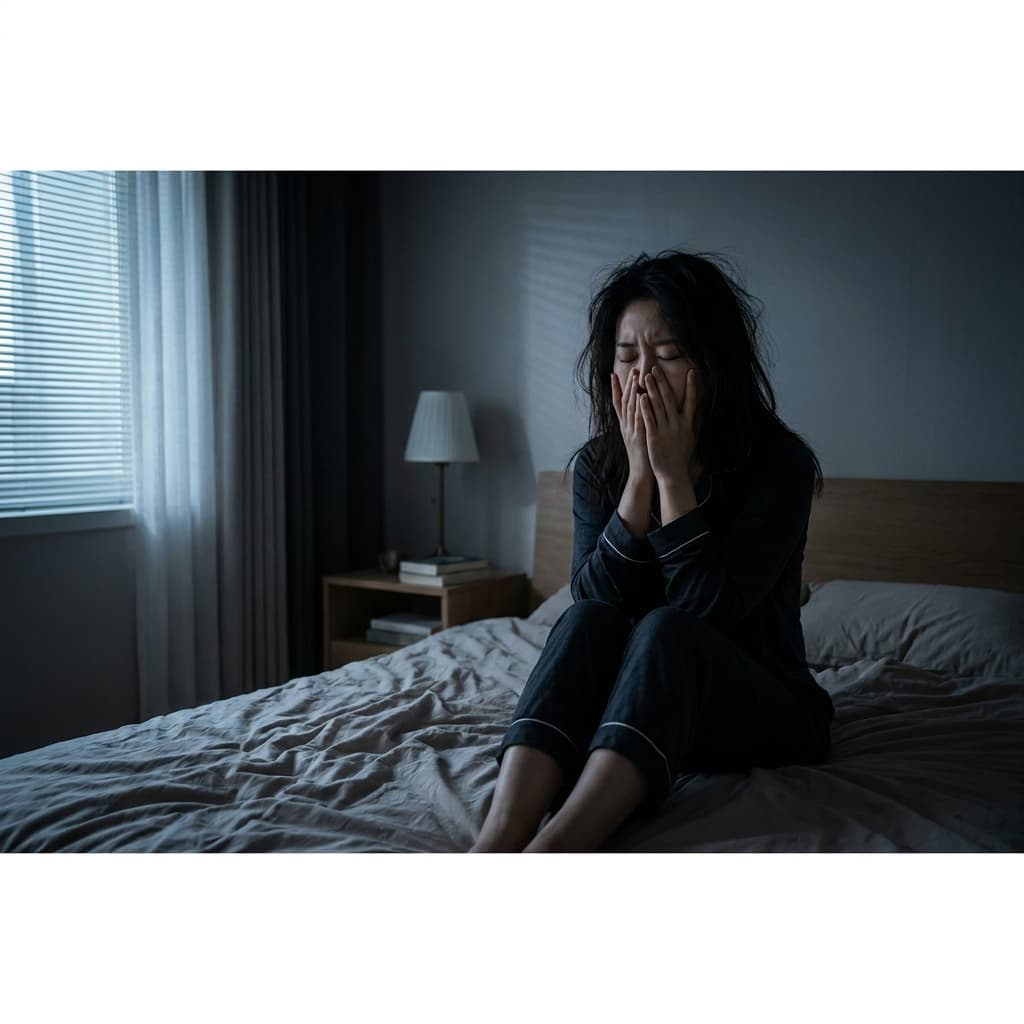
Have you ever found yourself constantly saying, "I'm so tired lately"? Tossing and turning in bed with a busy mind and unable to sleep, or experiencing heart palpitations and shortness of breath for no particular reason. Or perhaps you feel persistent digestive discomfort, yet hospital tests say "everything is normal," leaving you frustrated. If you've been dismissing these symptoms as just 'stress,' it's time to listen more closely to the deeper signals your body is sending. Could it be an imbalance in your autonomic nervous system, the 'control tower' of our body? Autonomic imbalance beyond simple stress can be a serious problem that encroaches on your daily life.
💡 Key Answer The 3 most common causes of abnormal signals from the body, i.e., autonomic imbalance: ① Chronic stress and overwork / ② Irregular lifestyle habits and environmental changes / ③ Inflammatory reactions in the body and decreased immunity Dalimchae Clinic helps the body recover itself by regaining the balance of the brain and autonomic nervous system through autonomic stabilization treatment.
Are you sick because of stress, or is it something else?
"It's because of stress." This phrase is a familiar comfort to modern people and is sometimes used like a diagnosis. Of course, stress is the root of all diseases and is clearly a major cause of physical and mental symptoms. However, if you simply lump all symptoms under the word stress, you might miss the real SOS signals your body is sending. Chronic stress disrupts the autonomic nervous system, creating a vicious cycle of various physical symptoms. We must break this cycle. The abnormal signals your body is sending are likely symptoms of autonomic imbalance, beyond a simple stress response.
What exactly is autonomic imbalance?
Our body has a system that performs essential life-sustaining functions such as heartbeat, digestion, breathing, and temperature regulation without conscious effort. This is the Autonomic Nervous System (ANS). The autonomic nervous system is divided into the sympathetic nervous system, which is activated during activity, and the parasympathetic nervous system, which is activated during rest, and they operate in balance with each other. Like a car's accelerator (sympathetic) and brake (parasympathetic), we can maintain health when these two systems are properly regulated.
However, if chronic stress, irregular lifestyle habits, excessive work, and emotional instability persist, the sympathetic nervous system becomes excessively hyperactive or the parasympathetic nervous system fails to function properly, breaking this delicate balance. This is called autonomic imbalance or autonomic dysautonomia. In a state of autonomic imbalance, all organs and functions of the body are not properly coordinated, and like a car with warning lights on, they start sending abnormal signals everywhere. Problems arise in the network connecting the brain and the autonomic nervous system. Due to this, changes are also observed in indicators such as Heart Rate Variability (HRV).
What symptoms does dysautonomia show?
Because the autonomic nervous system affects the entire body, symptoms caused by autonomic imbalance appear in very diverse and complex ways. Some complain of chest tightness or palpitations, some suffer from extreme chronic fatigue, and others suffer from anxiety and sleep disorders. In many cases, no specific abnormality is found on examination, which often frustrates patients even more.
Major symptoms include:
- Nervous system symptoms: Headache, dizziness, tinnitus, chronic fatigue, decreased concentration, memory loss, numbness in hands and feet, tremors, groundless anxiety, panic disorder.
- Circulatory system symptoms: Heart palpitations, chest tightness, cold sweats, abnormal blood pressure changes, shortness of breath.
- Digestive system symptoms: Indigestion, abdominal pain, constipation, diarrhea, irritable bowel syndrome, reflux esophagitis, heartburn.
- Urogenital system symptoms: Frequent urination, residual urine sensation, decreased sexual function.
- General symptoms: General lethargy, abnormal sweating, abnormal temperature regulation, frequent colds due to decreased immunity.
If these symptoms appear in combination or persist without a clear cause, autonomic imbalance should be suspected, not just stress. In particular, many of those looking for an autonomic nervous system clinic in Incheon visit with chronic headaches, indigestion, or sleep disorders.
How does Korean medicine view autonomic function?
Korean medicine understands autonomic imbalance as a 'state where the harmony of mind and body (心身) is broken.' In particular, it is believed that excessive stress and emotional problems cause abnormalities in the functions of the heart (心) and liver (肝), which leads to obstacles in the circulation of Qi and blood throughout the body and disrupts the balance of the autonomic nervous system. Unlike Western medicine, which views autonomic disruption as a problem of neurotransmitters, Korean medicine focuses more on the circulation of Qi and blood and the functional harmony of the internal organs. Excessive hyperactivity of the sympathetic nervous system is called 'Sangyeolhahan (上熱下寒),' appearing as heat rising to the head while the lower abdomen or hands and feet become cold, which also signifies overheating of the brain.
From this perspective, clinics in Incheon focus on increasing the fundamental recovery power of the autonomic nervous system rather than simply suppressing symptoms. The goal is to activate the body's natural recovery ability so that it regains balance on its own and creates a strong body that is not shaken by external stimuli.
Latest Clinical Research on Autonomic Stabilization
The effectiveness of Korean medicine treatment in recovering autonomic nervous system function is being revealed through various studies.
A study by a research team at Hunan Medical University in China, published in the journal 'Frontiers in Human Neuroscience' in 2025, investigated the effects of acupuncture on autonomic nervous system function and physical stress in 35 healthy volunteers through Heart Rate Variability (HRV) analysis. The study found that acupuncture stimulation of specific acupoints (ST36, CV12) induced increases in HRV indicators such as HF (high frequency component) and RMSSD (root mean square of successive heartbeat interval changes), thereby increasing parasympathetic activity. Furthermore, during acupuncture treatment, heart rate and the Physical Stress Index (PSI) decreased, suggesting that acupuncture is effective in alleviating physical stress by regulating autonomic activity. The researchers concluded that these results show the potential applicability of acupuncture in stress management and health maintenance. Based on these data, Dalimchae Clinic has a treatment philosophy that acupuncture plays an important role in recovering the balance of the autonomic nervous system and regulating the body's stress response.
Additionally, a Korean study published in the journal 'Human Psychopharmacology: Clinical and Experimental' in 2004 evaluated the effects of Korean traditional herbal medicine (Ondamtanggamibang) on psychoneuroendocrine responses in 40 medical students (20 in each group) experiencing exam stress through a randomized placebo-controlled trial. After treatment, the herbal medicine group showed statistically significant decreases in systolic blood pressure, norepinephrine, and cortisol levels, and positive changes were also seen in psychological variables such as anxiety, depression, stress, and emotional state. The researchers stated that this result suggests that Korean traditional herbal medicine can stabilize the sympathetic nervous system, thereby reducing systolic blood pressure and catecholamine levels and alleviating negative psychological symptoms. These research results support Dalimchae Clinic's treatment approach that herbal medicine treatment for autonomic imbalance can simultaneously improve physical and mental symptoms.
What is Dalimchae Clinic's treatment for autonomic stabilization?
At Dalimchae Clinic's Incheon branch, we find the fundamental cause of patients suffering from autonomic imbalance and conduct customized treatment to restore the broken balance. Our core treatment principle is autonomic stabilization.
When the balance of the autonomic nervous system is lost, the brain cannot rest. A brain that is constantly overheating sends wrong signals throughout the body, leading to various symptoms such as chronic fatigue, anxiety, insomnia, and indigestion. At Dalimchae Clinic, we focus on lowering the excessive heat of the nervous system and creating an environment where the brain can rest comfortably. In Korean medicine, this is called 'Suseunghwagang (水昇火降),' emphasizing the body's balance by raising cold energy and lowering hot energy.
We do not just temporarily alleviate symptoms; our goal is to foster the resilience of the body to regulate the balance of the autonomic nervous system on its own. To this end, we provide multifaceted complex Korean medicine treatment:
- Individual Customized Herbal Medicine: We prescribe herbal medicine tailored to each patient's constitution and symptoms to stabilize the autonomic nervous system, lower the hyperactivity of the sympathetic nervous system, and help activate the parasympathetic nervous system. It contributes to increasing overall body immunity and recovery power by restoring the health of the Gut-Brain Axis, the network connecting the brain and the gut.
- Neuro-Psychic Relaxation Acupuncture Treatment: By stimulating specific acupoints, we regulate the balance of the autonomic nervous system and stabilize brain waves to induce relaxation responses in the body. It is particularly effective in resolving excessive tension caused by stress and helping with comfortable sleep.
- Pharmacopuncture and Moxibustion Therapy: By combining pharmacopuncture, which has a direct effect on the symptomatic area, and moxibustion therapy, which helps the body's circulation with warm energy, we improve local pain or functional decline caused by autonomic imbalance.
When the body regains the ability to rest and recover through these treatments, you can experience a gradual decrease in anxiety, the ability to sleep soundly, and improvements in digestive function and overall vitality. Dalimchae Clinic's Incheon branch is doing its best to restore the peace of mind and body for patients suffering from autonomic problems.
Autonomic Imbalance Self-Diagnosis Checklist
Check how many of the following items apply to you.
- I often feel heart palpitations and chest tightness for no particular reason.
- It is difficult to fall asleep at night, and I wake up often or have difficulty sleeping deeply even if I do fall asleep.
- I am chronically tired, and fatigue is not relieved even with rest.
- Indigestion is frequent, I have stomachaches often, or I alternate between constipation and diarrhea.
- Symptoms such as headache, dizziness, and tinnitus appear frequently, and hospital tests are normal.
- I often feel anxious or nervous for no particular reason.
- Hands and feet often feel numb or cold, and I sweat a lot in cold sweats.
- I have severe mood swings and have become more sensitive or irritable.
- My neck or shoulders always feel stiff and tight.
- I tend to be very surprised or anxious even by small things.
Judgment Criteria:
- 3 or more apply: Autonomic imbalance is suspected, so it is necessary to review the diagnosis of the current state and complex Korean medicine treatment.
- 5 or more apply: It is highly likely that autonomic nervous system function has significantly decreased. Immediate visit and consultation with professional medical staff is recommended.
Q. Can autonomic imbalance be cured naturally? A. In mild cases, autonomic imbalance can be improved through sufficient rest and stress management. However, in chronic or severe cases, it is difficult for the body to regain balance on its own, so expert help is needed.
Q. How long does dysautonomia treatment take? A. The treatment period varies greatly depending on the severity of the patient's symptoms, the duration of onset, and the individual's recovery power. Usually, rather than sudden improvement in a short period, it often recovers gradually through steady treatment and improvement of lifestyle habits. At Dalimchae Clinic's Incheon branch, we establish a customized treatment plan through in-depth consultation with the patient rather than suggesting a uniform treatment period.
Q. Can stress and autonomic imbalance be treated together? A. Yes, it is fully possible. In fact, chronic stress is a major cause of autonomic imbalance, and autonomic imbalance again increases vulnerability to stress. Therefore, because the two interact, Korean medicine treatment can aim for both stress management and recovery of autonomic balance simultaneously to create a synergy effect.
Q. I am looking for an autonomic nervous system clinic in Incheon, how is Dalimchae Clinic? A. Dalimchae Clinic's Incheon branch is staffed with medical staff who have long researched and treated autonomic imbalance issues. We accurately grasp each patient's state through objective diagnostic tools such as Heart Rate Variability (HRV) tests and Korean medicine examinations, and help recover autonomic function through personalized complex Korean medicine treatment.
Abnormal signals from the body due to autonomic imbalance are not problems solved by enduring. You no longer have to ignore the signals your body has been sending for a long time. If you approach in the right direction, the body responds faster than you think. Bring your symptoms exactly as they are. At Dalimchae Clinic's Incheon branch, we will find the cause together and help you regain the balance of body and mind.
Where life blooms. For herbal medicine, it's Dalimchae Korean Medicine Clinic. Check your symptoms similar to mine through the AI consultation on the Dalimchae Clinic website first!
This article is health information compiled by Dalimchae medical staff based on questions frequently received in the treatment room. Medical Supervision | Brain & Autonomic Nervous System Standards Dalimchae Clinic Incheon Branch Korean Medicine Doctor Yang Yu-chan (Dysautonomia Column)