

Hello. This is Dalimchae Clinic.
Rushing to the Restroom Right After Eating? It's Time to Break Free from This Persistent Discomfort
Do you find yourself rushing to the bathroom as soon as you finish a meal, accompanied by a rumbling stomach? The joy of eating delicious food disappears, and mealtime becomes a source of dread and anxiety. In important meetings or social outings, you might avoid eating altogether for fear of what might happen. These symptoms significantly lower your quality of life and cause mental stress. Even if tests show no abnormalities, your body continues to feel uncomfortable. What could be the problem?
💡 [Key Answer] The 3 most common causes of rushing to the bathroom right after eating: ① Gut microbiome imbalance / ② Autonomic nervous system overactivation / ③ Gastrointestinal motility abnormalities Dalimchae Clinic addresses the root cause of an overactive gut through gut detox and autonomic stabilization.
Why do I rush to the bathroom right after I eat?
Rushing to the bathroom immediately after eating is often a symptom of Diarrhea-predominant Irritable Bowel Syndrome (IBS-D). Several complex factors are at play. First is gut microbiome imbalance. When harmful bacteria outnumber beneficial ones, the gut lining becomes inflamed, and increased permeability allows undigested food particles to leak into the blood, causing systemic inflammation and gut dysfunction.
Second is autonomic nervous system overactivation. When the balance is broken due to stress or irregular habits, the sympathetic nervous system becomes overactive, causing gastrointestinal motility to speed up abnormally. The 'Gut-Brain Axis' means the brain's anxiety and tension directly affect the gut. Third is abnormal gastrointestinal motility. Problems in the nervous system that regulates gut movement can lead to rapid or irregular digestion, resulting in post-meal urgency or diarrhea.
Is Korean medicine treatment really effective for IBS?
Many people with IBS don't see results from conventional treatments. However, Korean medicine focuses on addressing the root causes by treating both the sensitive gut and the unstable autonomic nervous system.
A study published in Gastroenterology Research and Practice (May 2020) showed that a specific herbal complex significantly improved symptoms in 60 IBS patients in a randomized, double-blind trial. After 2 weeks, the herbal group showed improvement rates of 87%, 83.9%, and 75% in IBS severity and relief scores (P < 0.001).
Another study in Alimentary Pharmacology & Therapeutics (Feb 2004) confirmed that specific plant extracts (STW 5 and STW 5-II) were effective in reducing abdominal pain and overall IBS symptoms compared to a placebo. These studies demonstrate the scientific basis for Korean medicine in treating IBS. At Dalimchae Clinic Songdo, we use this data to provide customized gut detox and autonomic stabilization.
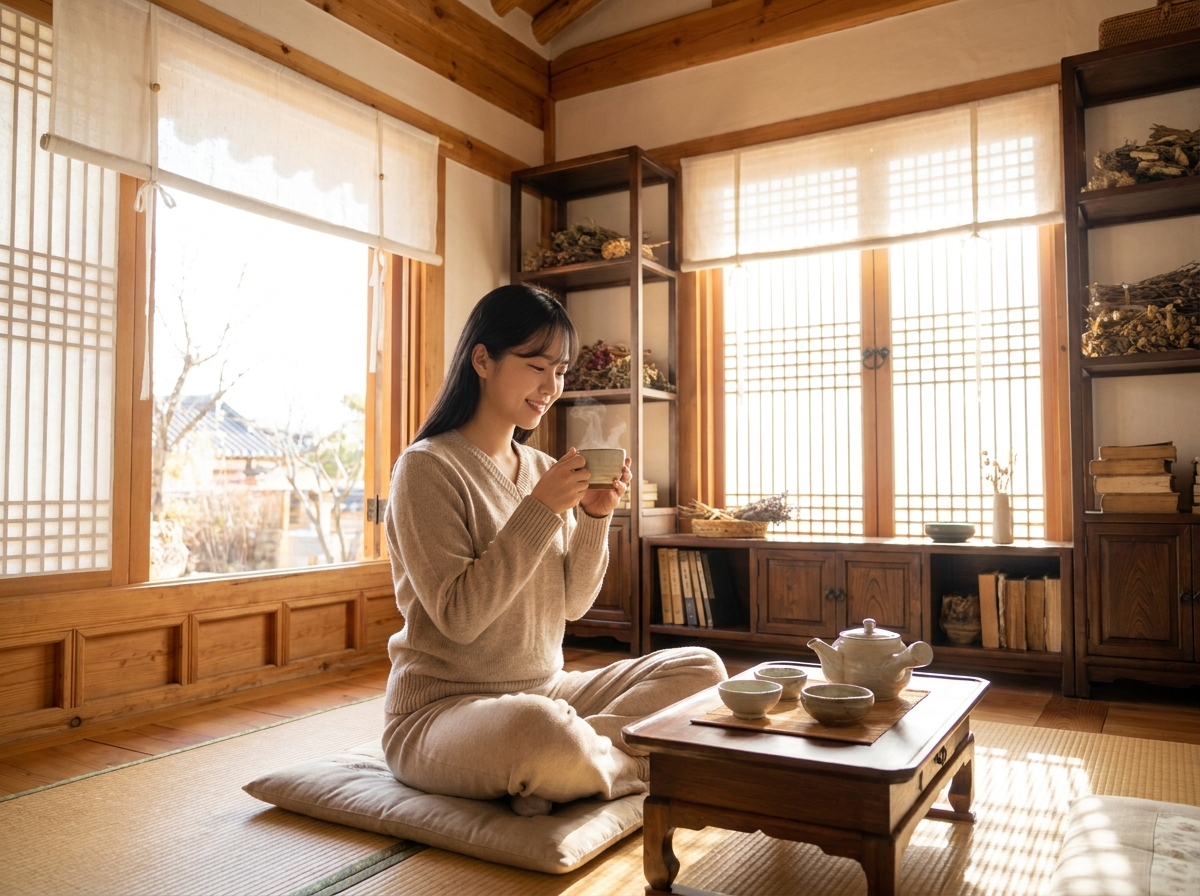
How does Dalimchae Clinic treat post-meal urgency?
We approach these symptoms through gut detox. This isn't just about emptying the gut; it's about removing toxins from the gut wall and restoring immunity. Inflammation can damage the gut barrier, leading to 'Damjeok' (accumulated toxins). We use customized herbal medicine to improve the gut environment, strengthen the barrier, and normalize motility. We also stabilize the autonomic nervous system to ensure smooth communication between the brain and gut.
What happens if I ignore post-meal diarrhea?
Ignoring these symptoms can lead to nutrient malabsorption, weight loss, chronic fatigue, and anemia. It can also worsen the gut-brain axis imbalance, leading to anxiety, depression, insomnia, headaches, and dizziness. It may also develop into other digestive issues like reflux esophagitis.
IBS Self-Diagnosis Checklist
- Go to the bathroom within 30 minutes of eating.
- Feeling of incomplete evacuation.
- Stress or tension makes abdominal pain and diarrhea worse.
- Frequent gas and bloating.
- Alternating diarrhea and constipation.
- Specific foods worsen symptoms.
- Fear of social outings due to diarrhea.
- Waking up at night due to bowel urgency.
Results:
- 3 or fewer: Gut health caution phase.
- 4-6: Suspected IBS phase.
- 7 or more: Immediate diagnosis and treatment needed at Dalimchae Clinic Songdo.
Q. How long does treatment take? A. Usually 3 to 6 months, depending on the severity and constitution.
Q. Can Korean medicine treat post-meal diarrhea? A. Yes, it effectively regulates diarrhea and prevents recurrence by restoring balance.
Q. Can IBS heal naturally? A. Mild cases might, but most are chronic and require active treatment.
Rushing to the bathroom after eating is not a problem you should just endure. Your body is sending signals. At Dalimchae Clinic, we will find the cause together.
Where life blooms. For herbal medicine, it's Dalimchae Clinic.
Medical Supervision | Oh Hyun-min, Korean Medicine Doctor at Dalimchae Clinic Songdo (Gut Disease Column)
#IBS #PostMealDiarrhea #GutDetox #SongdoClinic #BowelUrgency