
Hello, this is Dalimchae Clinic.
Recurrent Miscarriage Due to Chromosomal Abnormalities: Herbal Medicine After PGT
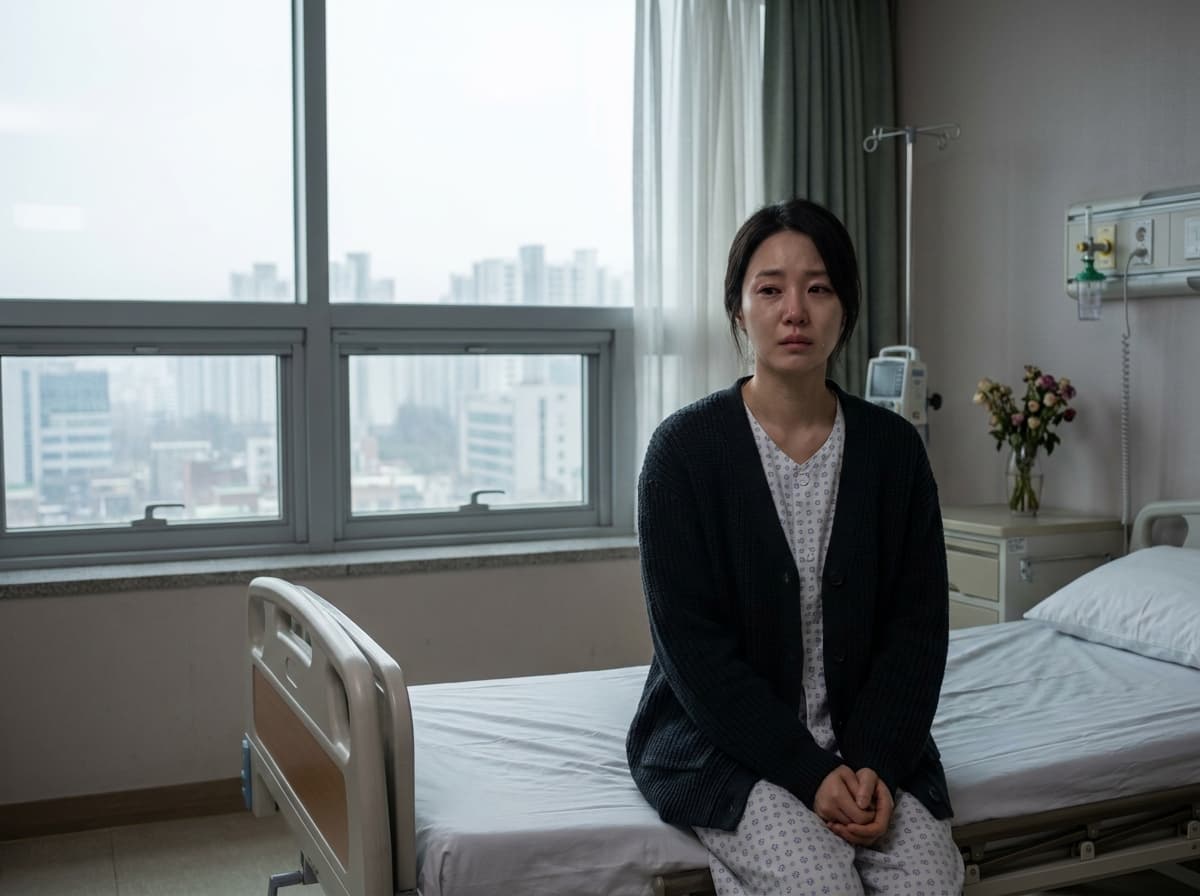
The journey to meeting your precious baby can sometimes be filled with unexpected trials. Especially if you face chromosomal abnormality miscarriage even after preparing for pregnancy through IVF and transferring healthy embryos with PGT, the frustration is beyond words. Recurrent miscarriages exhaust the body and mind and increase fear for the next pregnancy. Many fall into deep thought, wondering if a healthy baby will ever come to them.
💡 Key Answer 3 most common causes of chromosomal abnormality miscarriage: ① Numerical chromosomal abnormalities in embryos (most common) / ② Structural chromosomal abnormalities in embryos or parents / ③ Maternal uterine environment and decreased ovarian function. Dalimchae Clinic improves individual constitution to increase pregnancy maintenance and help healthy childbirth.
Why do chromosomal abnormality miscarriages repeat even after PGT?
PGT is an important technology that screens embryos for chromosomal abnormalities to lower miscarriage rates and increase pregnancy success. However, there are cases where chromosomal abnormality miscarriages repeat even after transferring normal embryos. This is because PGT cannot screen all genetic issues, and in reality, complex causes beyond the embryo itself are often at play. Maternal factors such as decreased egg/sperm quality, lack of endometrial receptivity, immunological imbalance, and blood clotting issues significantly impact maintaining a healthy pregnancy.
A multi-center study published in Fertil Steril in 2022 analyzed chromosomal abnormalities in 19,000 couples with recurrent miscarriages. Results showed that 4.44% of couples had chromosomal abnormalities in at least one partner. Chromosomal abnormality miscarriages occurred more in younger age groups, and significant differences in gender/age distribution were confirmed by type. While this shows chromosomal abnormalities are a key cause, it also implies that nearly half are 'unexplained recurrent miscarriages' where no specific abnormality is found. In such cases, subtle physical imbalances difficult to detect via Western medical tests can negatively impact pregnancy. Dalimchae Clinic approaches PGT-related recurrent miscarriages from the perspective of maternal health, particularly the uterine environment and overall harmony.
How does herbal medicine help with chromosomal abnormality miscarriage?
In Korean medicine, recurrent miscarriage is seen not as a coincidence, but as stemming from vulnerabilities in the uterine environment and maternal health. If miscarriages repeat despite normal embryos, it's judged that the 'soil' is not fertile enough for the embryo to implant and grow. Herbal medicine focuses on increasing pregnancy maintenance through ovarian function enhancement, endometrial growth/blood flow improvement, immune imbalance regulation, and stress relief. This plays a complementary role in increasing the success of assisted reproductive technologies like PGT.
A 2020 systematic review in Biomed Res Int. analyzed the effects of 'Shoutai Pill' combined with Western medicine on 916 women with unexplained recurrent miscarriages. The combined group had significantly lower early miscarriage rates (RR 0.42; 95% CI 0.34-0.52; P < 0.01) and significantly higher live birth rates. Researchers concluded Shoutai Pill stabilized the fetus and improved the uterine environment. Similarly, columns in Baby News explain that herbal medicine promotes immunological tolerance between embryo and mother, improves gamete quality, and prepares the endometrium, helping patients with recurrent miscarriages. Dalimchae Clinic Incheon provides treatment based on these findings to fundamentally restore uterine health.
How does Dalimchae's recurrent miscarriage constitutional improvement work?
We aim for fundamental constitutional improvement, not just symptom suppression. In Korean medicine, this means creating a body where symptoms don't recur. It's a process of producing healthy gametes, creating a fertile uterine environment, and restoring immunity/health needed to maintain pregnancy.
Our process:
- Precision Diagnosis: Comprehensive analysis of constitution, habits, history, and hormones.
- Custom Herbal Medicine: 1:1 prescriptions for ovarian function, blood flow, endometrial growth, immune regulation, and clearing stagnant blood.
- Uterine Environment Treatment: Using acupuncture, moxibustion, and pharmacopuncture to promote circulation, reduce inflammation, and increase receptivity.
This treatment can be a new hope for those with recurrent miscarriages or PGT failures despite normal tests. Many seeking IVF support in Incheon visit our clinic for this synergy.
Recurrent Miscarriage Checklist
Consider treatment if 3+ items apply:
- 2+ natural miscarriages.
- PGT normal embryo transfer failure or miscarriage.
- Cold hands/feet or lower abdomen.
- Irregular cycles or severe cramps.
- High stress or sensitivity.
- Frequent fatigue or weak stamina.
- Frequent discharge or inflammation.
3+ items → Uterine environment improvement needed 5+ items → Immediate precision diagnosis recommended
Patient Story: Finding Hope in Despair
Ms. Kim (38, Songdo) had 5 IVF cycles over 3 years, experiencing 2 early miscarriages and 3 implantation failures. Even after transferring a PGT normal embryo, she faced a chemical pregnancy. She felt hopeless, wondering if her body was the problem. She visited Dalimchae Incheon on a recommendation.
We diagnosed her with 'Qi/Blood deficiency and stagnant blood due to Liver/Kidney weakness.' We prescribed custom herbs to promote uterine circulation and strengthen ovarian function, combined with acupuncture/moxibustion. After 3 months, she felt lighter, had regular cycles, and reduced fatigue. Surprisingly, she conceived naturally in the 4th month and maintained stability with anti-miscarriage herbs. Now at 20 weeks, her baby is growing healthily. She said, "I came as a last resort, but solving my body's fundamental problem gave me this precious opportunity."
FAQ
Q. Can herbal medicine really overcome chromosomal abnormality miscarriage? A. While it cannot change structural chromosomal abnormalities, it helps produce healthy gametes and creates an environment where embryos can thrive, reducing recurrence risk.
Q. Is it okay to combine PGT with herbal medicine? A. Yes, many combine them to maximize success. Herbal medicine complements PGT by enhancing ovarian/endometrial health. Consult with our practitioners for a tailored plan.
Q. When should I take herbal medicine after a miscarriage? A. Post-miscarriage care is vital for the next pregnancy. It's usually best to start within 2-4 weeks for 1-3 months once bleeding settles.
Q. How do I get treatment at Dalimchae Incheon? A. We operate by appointment. Contact us via phone or web for a 1:1 consultation.
Recurrent miscarriage isn't solved by just 'enduring.' Don't ignore your body's signals. Let's find the cause together at Dalimchae.
Where Life Blooms. Dalimchae Clinic.