
Hello. This is Dalimchae Korean Medicine Clinic.
My Whole Body Aches But Tests are Normal It Could Be a Signal from Your Brain
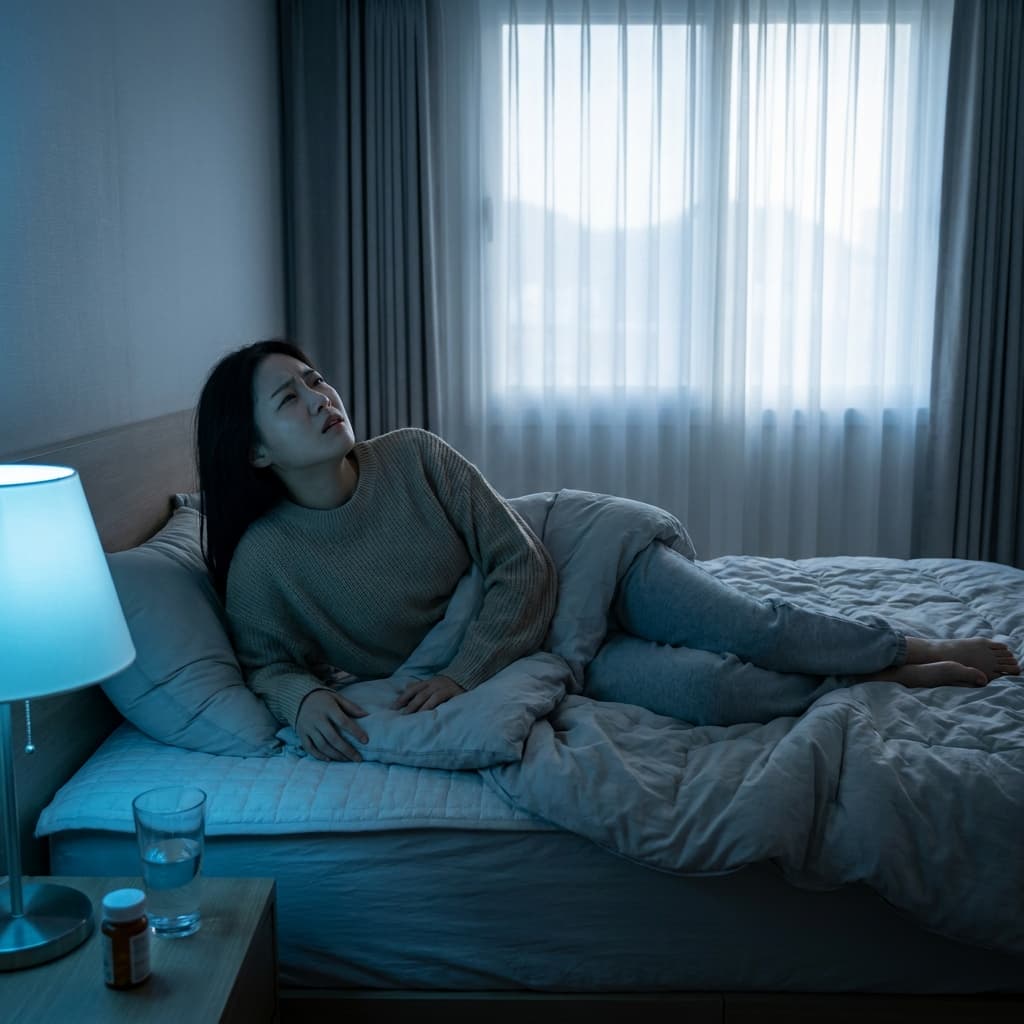
"I ache all over, but the hospital says everything is normal." "My body always feels heavy and tired, so resting doesn't help." "Sometimes it's stuffy in my chest and hard to breathe, but the test results are all normal."
Are you suffering from these symptoms right now? Many people feel frustrated because they cannot find a clear cause through modern medical examinations. Saying that everything is normal at a hospital when your whole body aches can feel even harder because it seems like it's being dismissed as a "malingering." However, all these symptoms are important signals from the body and should not be simply ignored or suppressed.
💡 [Key Answer] The 3 most common causes of why your whole body aches but hospital tests are normal: ① Autonomic Nervous System Imbalance: The sympathetic nervous system becomes overactive due to stress, etc., causing abnormalities in the body's regulatory functions. ② Somatic Symptoms: Psychological stress and conflict manifest as physical pain. ③ Gut-Brain Axis Problem: Deterioration of gut health affects brain function and the autonomic nervous system, causing systemic symptoms. Dalimchae Korean Medicine Clinic helps you escape from unexplained pain and discomfort by calming the overheated nervous system with Autonomic Stabilization treatment and restoring the body's balance.
What is Autonomic Dysfunction, the 'Warning Light' from the Brain?
Our body has a special system that operates on its own. It is the 'autonomic nervous system' that makes the heart beat, allows us to breathe, helps digestion, and regulates body temperature. The autonomic nervous system is divided into the sympathetic and parasympathetic nervous systems, which coordinate all body functions in balance with each other. If the sympathetic nervous system mainly tenses the body and uses energy, the parasympathetic nervous system relaxes the body and stores energy.
What happens if the balance of this autonomic nervous system is broken due to continuous stress, overwork, or irregular life? Just like a car engine overheating or a fuse box switch malfunctioning, problems occur in the body's regulatory functions, leading to various symptoms. This is called 'Autonomic Dysfunction.' Autonomic dysfunction is not a problem of a specific organ but can cause abnormalities throughout our body, including the circulatory system, respiratory system, digestive system, excretory function, and the ability to adapt to the external environment. In particular, it often makes it even harder for patients because no abnormalities can be found in hospital tests.
What is the Connection Between Chronic Pain and Autonomic Imbalance?
Autonomic dysfunction does not just cause problems like heart palpitations or indigestion. In many cases, it leads to unexplained chronic pain all over the body. When the brain becomes hypersensitive due to autonomic imbalance, the threshold for feeling pain lowers, making one feel extreme pain even with minor stimuli. This is why patients feel clear pain even when there is no actual lesion.
According to a retrospective cohort study by a research team at Kyung Hee University College of Korean Medicine to be published in Front Med (Lausanne) in 2025, an integrated Korean medicine treatment including acupuncture, pharmacopuncture, cupping, herbal medicine, and Chuna therapy for 190 patients with acute neck and back pain after a traffic accident resulted in a significant decrease in pain scores (Numeric Rating Scale) by an average of 1.94–2.21 points (all p < 0.05). In particular, researchers confirmed that the improvement of psychosocial symptoms such as anxiety, fatigue, depression, and insomnia was significantly associated with pain reduction. This suggests that physical pain is closely related to psychological factors and the autonomic nervous system, and that integrated Korean medicine treatment can improve both pain and psychological discomfort.
In addition, a study by a research team at the Korea Institute of Oriental Medicine published in the journal Integr Med Res in 2021 administered herbal medicine granules to 44 Hwa-byung patients for 7 days, and the group receiving Hwangryunhaedok-tang granules showed a significant decrease in the Insomnia Severity Index (ISI) compared to the placebo group (adjusted mean difference -2.56, 95% CI -4.72 to -0.39, p = 0.0208). Although this study did not show a significant difference in general physical symptoms (PHQ-15), it showed the possibility of autonomic nervous system stabilization through the improvement of insomnia closely related to psychological factors due to stress. Like this, Dalimchae Korean Medicine Clinic does not just look at the pain but finds and solves the root cause of the autonomic imbalance, helping patients escape from unexplained pain and discomfort.
How is Dalimchae's Autonomic Stabilization Treatment Conducted?
At Dalimchae Korean Medicine Clinic, we use 'Autonomic Stabilization' treatment as the core principle for patients complaining of full-body pain and discomfort due to autonomic dysfunction. When the balance of the autonomic nervous system is lost, the brain cannot rest and continues to send warning signals. This becomes the fundamental cause of sleep disorders, chronic fatigue, headaches, dizziness, indigestion, and even unexplained systemic pain.
Dalimchae Korean Medicine Clinic puts out the overheated fire of the nervous system and creates an environment where the brain can fully rest. In Korean medicine, this is called 'Suseunghwagang (水升火降),' a treatment that restores the body's upper-lower circulation and Yin-Yang balance by lowering hot energy and raising cold energy.
Dalimchae's Autonomic Stabilization treatment proceeds as follows:
- Precision Diagnosis: Accurately identify the current state and degree of imbalance of the autonomic nervous system through pulse wave and autonomic nervous system tests. In particular, heart rate variability (HRV) tests objectively measure the activity and balance of the sympathetic and parasympathetic nervous systems.
- Customized Herbal Prescription: Prescribe customized herbal medicine suited to the patient's constitution and symptoms to regulate autonomic nervous system functions and increase resistance to stress. It calms excessive excitement of the nervous system and helps recover systemic functions by supplementing lacking energy.
- Acupuncture and Pharmacopuncture Therapy: Combine acupuncture to relax tensed muscles and improve Qi and blood circulation with pharmacopuncture to reduce inflammation and recover nerve functions, alleviating pain and stabilizing the autonomic nervous system. This is a delicate treatment you can experience at Songdo Korean Medicine Clinic.
- Lifestyle Correction: Improve overall lifestyle habits such as diet, sleep habits, and stress management together to help recover the autonomic nervous system and prevent recurrence.
This integrated approach does not just suppress symptoms but resolves the frustration of having full-body pain yet being told everything is normal in hospital tests, and builds the fundamental strength for the body to find its own balance.
Am I Having Autonomic Dysfunction? Self-Diagnosis Checklist
If 3 or more of the following apply, suspect autonomic imbalance and consult with an expert at Dalimchae Clinic Songdo Branch. If 5 or more apply, immediate visit is recommended.
- My chest feels stuffy or my heart often palpitations.
- I have tingling or aching pain all over my body for no special reason.
- It's hard to fall asleep or I wake up frequently at night, making it hard to get a good night's sleep.
- My hands and feet are cold or numb, and they tend to swell easily.
- I feel cold sweats or heat in my body regardless of the temperature.
- Headaches and dizziness occur frequently, and in severe cases, I feel like I'm going to collapse.
- Chronic fatigue is so severe that I don't recover even with rest and feel lethargic.
- I'm often restless and anxious, and I get irritated for no reason.
- Digestion doesn't go well, and my stomach is often bloated or I have repeated constipation or diarrhea.
- My neck or shoulders are stiff and don't loosen easily.
(3 or more → Suspect autonomic imbalance → Review Korean medicine complex treatment) (5 or more → Immediate visit recommended)
FAQ Section
Q. Is it really okay if my whole body aches but hospital tests are normal? A. Just because there is no special abnormality in hospital tests doesn't mean there is no pain. This means the cause of the pain is likely a functional problem such as autonomic imbalance or somatic symptoms rather than an organic problem, and Korean medicine treatment can be helpful.
Q. How long should autonomic dysfunction be treated to see improvement? A. The treatment period depends on the severity and chronic nature of the patient's symptoms and individual recovery power. Usually, you can feel gradual improvement if you receive steady treatment for several weeks to months along with lifestyle habit improvement. Songdo Autonomic Korean Medicine Clinic establishes an individualized treatment plan.
Q. Can autonomic imbalance symptoms heal naturally? A. Mild autonomic imbalance due to temporary stress can recover naturally with rest. However, in chronic cases accompanied by various symptoms, leaving it without active treatment can lead to other diseases such as insomnia, depression, and panic disorder, so it is wise to treat it early.
Q. I have depression or anxiety along with autonomic dysfunction, can they be treated together? A. Yes, autonomic dysfunction often appears closely related to depression and anxiety disorders. Dalimchae's autonomic stabilization treatment stabilizes the brain and nervous system, helping to improve not only physical symptoms but also mental discomfort.
The frustration of having full-body pain but being told everything is normal in hospital tests is not a problem that can be solved by enduring. You no longer have to ignore the signals your body has been sending for a long time. If you approach in the right direction, the body responds faster than you think. Bring your symptoms exactly as they are. We will find the cause together at Dalimchae Korean Medicine Clinic.
Where life blooms. For herbal medicine, it's Dalimchae Korean Medicine Clinic. Check your symptoms similar to mine through the AI consultation on the Dalimchae website first!
This article is health information compiled by Dalimchae medical staff based on questions frequently received in the treatment room. Medical Supervision | Autonomic & Brain Treatment Standards Dalimchae Clinic Songdo Branch Korean Medicine Doctor Oh Hyun-min (Autonomic Dysfunction Column)