
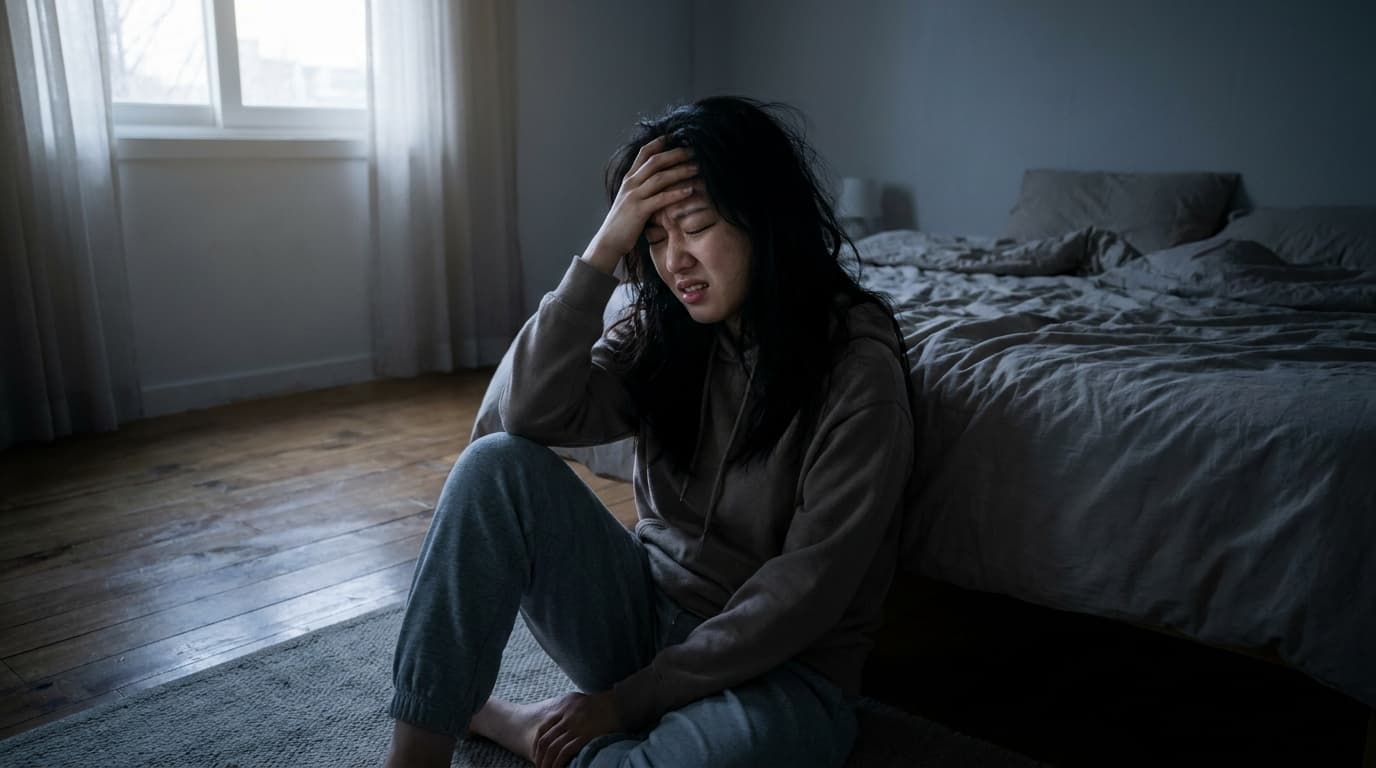
My Head Hurts So Much, Is It a Simple Headache? How to Identify Dangerous Headaches
Throbbing headaches are all too common in our daily lives. Many people who complain of severe headaches dismiss them as temporary phenomena due to fatigue or stress, relying on painkillers. However, not all headaches can be brushed off lightly. Sometimes, they are warning signals sent by our bodies. Distinguishing between simple headaches and dangerous headaches that can threaten our lives is crucial for protecting our health.
💡 [Key Answer] Top 3 most common causes of severe headaches: ① Tension/Stress Headaches / ② Migraines / ③ Chronic Autonomic Nervous System Imbalance Dalimchae Oriental Medicine Clinic relieves brain overload through autonomic nervous system stabilization and treats the root cause of headaches.
When Should You Visit a Hospital? Red Flag Headache Symptoms
Most headaches are primary headaches and are not associated with serious diseases. However, some headaches can be symptoms of serious conditions such as cerebral hemorrhage, brain tumors, or meningitis, requiring immediate medical attention. It is important to know these 'Red Flag' headache symptoms.
- Thunderclap Headache: A headache that occurs suddenly and reaches extreme pain within seconds. Often described as the "worst headache of your life." This may indicate an emergency situation such as cerebral hemorrhage.
- Accompanied by Neurological Symptoms: Headaches accompanied by limb paralysis, sensory abnormalities, speech disturbances (slurred speech), visual disturbances (double vision or partial obscuration), or facial drooping may indicate a stroke.
- Progressively Worsening Headaches: Headaches that gradually worsen and become more frequent over days or weeks can indicate brain tumors or chronic subdural hematomas.
- Accompanied by Fever, Neck Stiffness, or Altered Consciousness: High fever, stiff neck, confusion, or drowsiness along with a headache suggests central nervous system infections like meningitis.
- Post-Traumatic Headaches: Headaches occurring after head injury can be signs of concussion or cerebral hemorrhage.
- New Headaches in Immunocompromised Patients, Cancer Patients, or Pregnant Women: Require careful diagnosis.
Why Do Headaches Persist Even When Tests Show No Abnormalities?
Many people visit the hospital with severe headaches, undergo brain MRIs and CT scans, and are told "there is no abnormality." Yet, the headaches continue, making daily life difficult. In such situations, the root cause of the headache can often be found in 'autonomic nervous system imbalance.'
The autonomic nervous system regulates all unconscious functions in our body, including heart rate, blood pressure, digestion, respiration, body temperature regulation, and blood flow regulation to the brain. When stress, overwork, irregular lifestyle habits, and lack of sleep persist, the balance between the sympathetic and parasympathetic nervous systems breaks down.
Over-activated sympathetic nerves can constrict or hypersensitize cerebral blood vessels, triggering headaches. Dalimchae Oriental Medicine Clinic in Incheon identifies these subtle imbalances in the autonomic nervous system and breaks the vicious cycle of headaches through fundamental treatment.
How Can Headaches Be Managed with Oriental Medicine Treatment?
In Oriental medicine, headaches are viewed as a sign of overall bodily imbalance. Dalimchae Oriental Medicine Clinic focuses on stabilizing the autonomic nervous system, the root of headaches.
Study 1: A 2022 study published in the prominent international journal Neurology by a research team at Chengdu University of Traditional Chinese Medicine (Zheng et al.) reported the results of 20 acupuncture sessions over 8 weeks for 218 patients with chronic tension-type headache (CTTH). The results showed that 68.2% of patients receiving True Acupuncture (TA) experienced a clinically meaningful reduction of 50% or more in monthly headache days at 32 weeks, compared to 50% in the Sham Acupuncture (SA) group (p<0.001).
Study 2: A systematic review and meta-analysis of randomized controlled trials scheduled for publication in PubMed in 2025 analyzed 6 studies involving 927 tension-type headache patients. The acupuncture group showed a significant reduction in headache frequency after 6 weeks (SMD = -0.23; 95% CI: -0.43 to -0.03; p = 0.03) and a higher likelihood of headache relief compared to sham acupuncture (OR = 1.85; 95% CI: 1.34 to 2.57; p < 0.001).
Based on these data, Dalimchae Oriental Medicine Clinic provides customized treatments utilizing pharmacopuncture, herbal medicine, and acupuncture to restore autonomic balance, calm the overheated brain, and activate the body's self-recovery functions.
Autonomic Nervous System Stabilization: Relieving Brain Overload
Dalimchae Oriental Medicine Clinic interprets headaches as a problem of the brain and autonomic nervous system, focusing on 'autonomic nervous system stabilization.' Herbal medicine prescriptions help soothe excited sympathetic nerves, activate suppressed parasympathetic nerves, and lower brain fatigue. Acupuncture and pharmacopuncture improve cerebral blood circulation, relieve pain, and relax tense muscles around the neck and shoulders.
Red Flag Headache Self-Checklist
- The worst headache of your life occurred suddenly.
- Headaches are accompanied by neurological symptoms like limb paralysis or speech disorders.
- Headaches progressively worsen and become more frequent.
- Headaches are accompanied by high fever, stiff neck, or altered consciousness.
- Headaches started or worsened after a head injury.
- New headaches developed in an immunocompromised state.
- Severe headaches started for the first time after age 50.
3+ items: Suspected Red Flag headache. Immediate neurological consultation recommended. 5+ items: Possible emergency situation. Prompt emergency room visit recommended.
FAQ
Q. How long does chronic headache treatment take? A. Generally, 3 or more months of consistent treatment is needed to restore autonomic balance and prevent recurrence.
Q. Can headaches be managed without painkillers? A. Yes. Oriental medicine aims to eliminate the root causes—autonomic imbalance and brain overload—so the body stops producing headaches naturally.
Q. Is autonomic imbalance the cause of headaches? A. Yes, autonomic imbalance is a major cause of headaches, especially tension headaches and migraines.
Q. Can migraines and tension headaches be treated together? A. Yes. Since both share autonomic imbalance as a common root cause, autonomic stabilization treatment can improve both types simultaneously.
Medical Review | Brain & Autonomic Nervous System Division, Dalimchae Oriental Medicine Clinic, Incheon Branch, Oriental Medical Doctor Min Ji-hong