
Hello, this is Dalimchae Clinic.
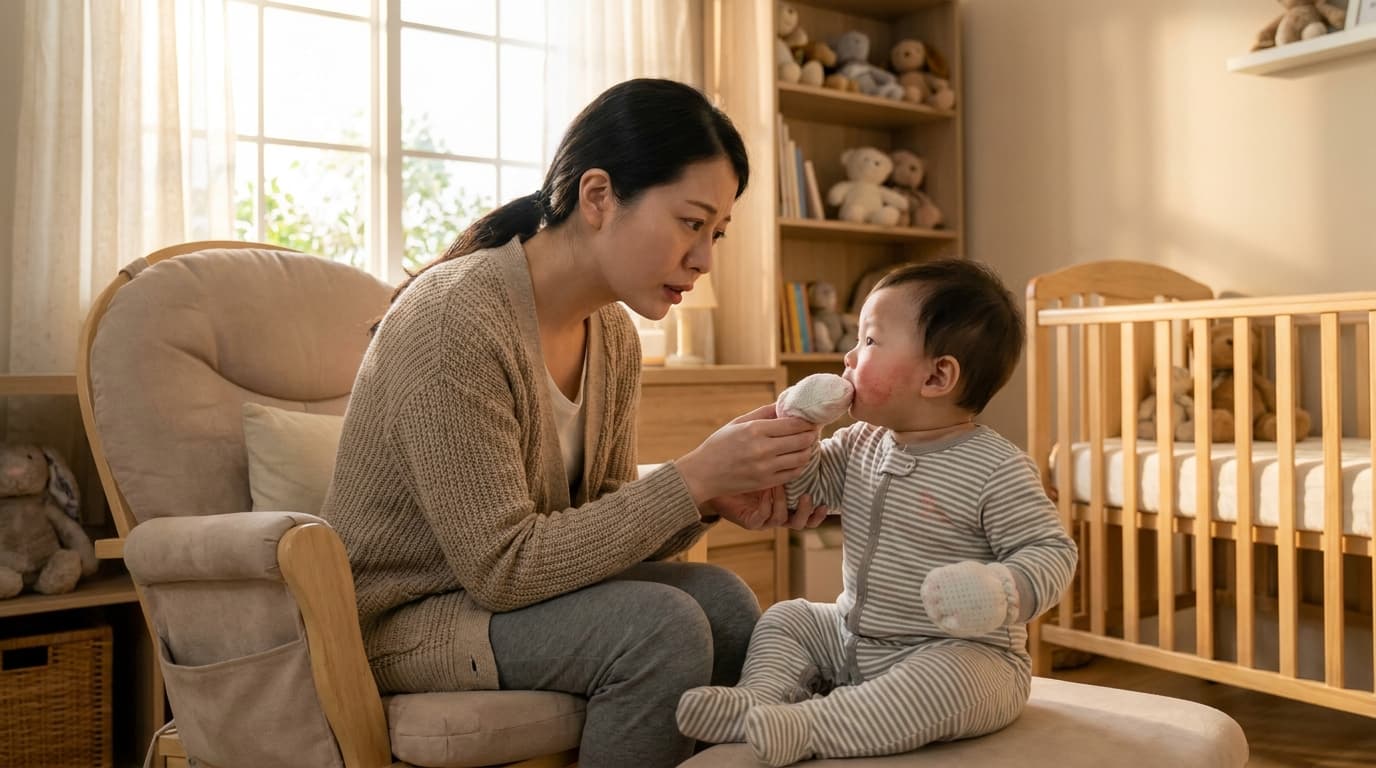
My baby's cheeks are red and itchy, could it be atopy?
"My baby's cheeks are red and itchy." Many parents feel distressed and sorry watching their babies struggle through the night. Initially, you might think it's just common heat rash and focus on moisturizing, but the redness and bumpy rash don't subside, and the baby keeps scratching, leading to weeping skin or wounds. If you're worried it might be atopy, you might hear "they'll grow out of it" at the hospital, or feel burdened by steroid prescriptions.
💡 Key Answer 3 most common causes of red, itchy baby cheeks: ① Genetic predisposition and weak skin barrier: Atopy has genetic tendencies, and a baby's immature skin barrier makes them vulnerable to external irritants. ② Gut microbiome imbalance: Since gut health is closely linked to immune function, instability here can easily trigger inflammatory responses. ③ Environmental factors and allergens: Fine dust, pollen, dust mites, and certain foods accelerate hypersensitivity in baby skin. Dalimchae Clinic helps restore immune balance and build the skin's natural defense through Gut Detox treatment.
Is it just heat rash? How is it different from atopy?
Red rashes in newborns are often called 'heat rash' and usually start around 1-2 months and disappear by age one. However, if symptoms persist or repeat in specific patterns, atopic dermatitis cannot be ruled out. Atopic dermatitis is a chronic, recurring inflammatory skin disease that commonly starts in infancy or childhood.
While heat rash is a temporary reaction, atopy is characterized by itching, dryness, eczema, and lichenification in specific areas. In infancy, it mainly appears on the face (especially cheeks) and the extensor surfaces of limbs, moving to folds like elbows and knees in childhood. Atopy should be understood as an autoimmune condition where skin barrier dysfunction and immune imbalance act together.
Symptoms to check if you suspect baby atopy
Severe itching from atopy disrupts a baby's sleep and causes irritability, affecting the quality of life for the whole family. Use this checklist:
- □ Red, bumpy rash on cheeks, forehead, or scalp persisting for over 2 months?
- □ Severe dryness with white scales or rough, parched skin?
- □ Fretfulness or inability to sleep due to itching, especially at night?
- □ Frequent scratching leading to wounds, oozing, or scabbing?
- □ Eczema or skin thickening in folds like elbows or knees?
- □ Family history of allergies (asthma, rhinitis, atopy)?
- □ Symptoms worsening after exposure to specific foods or environments?
Assessment:
- 3+ items: Suspect atopic dermatitis. Consider Korean medicine complex treatment.
- 5+ items: High probability. Immediate visit for a tailored treatment plan is recommended.
Gut health and immune imbalance: Latest research
Atopy often starts from internal imbalances. Recent studies emphasize the gut microbiome and immune system.
A 2025 study in Frontiers in Pharmacology confirmed that 'Bojungikgi-tang' improves atopy symptoms by changing the gut microbiome, highlighting the Gut-Skin Axis. Another April 2025 review reported that children with atopy have significantly different gut microbiome structures, characterized by decreased beneficial bacteria and increased harmful bacteria.
This means atopy treatment must go beyond surface care to restore gut health, the core of the immune system. Dalimchae Clinic approaches baby atopy by addressing this Gut-Skin Axis.
How Dalimchae treats baby atopy: 'Gut Detox'
We don't see atopy as just a skin issue, but a result of immature gut function and vulnerable immunity. Our Gut Detox treatment is central to restoring a baby's health.
Gut Detox removes toxins from the gut wall and restores the balance of beneficial bacteria to strengthen immune function. When gut health is restored, hypersensitivity decreases, and skin inflammation naturally subsides. Since 70% of immune cells reside in the gut, this also prevents recurrence and supports healthy growth.
The effectiveness of Korean medicine is well-documented. A 2013 study in Complementary Therapies in Medicine showed that severe atopy patients receiving complex Korean medicine treatment (acupuncture, herbal medicine, herbal compresses) saw their SCORAD index drop from an average of 60.63 to 37.37 (p<0.0001). Based on such data, we provide safe herbal prescriptions and external treatments tailored to each baby's constitution.
Many babies with atopy also suffer from indigestion or IBS. Gut Detox improves these concurrent symptoms, enhancing the baby's overall condition.
Atopic Dermatitis FAQ
Q. How long should I wait? A. Atopy can easily become chronic. If redness and itching last over 2 months, seek professional diagnosis to prevent growth issues.
Q. How about diet? A. Avoid common allergens and focus on fresh, easy-to-digest ingredients. Consult a specialist for specific food triggers.
Q. Is Korean medicine safe compared to ointments? A. Unlike steroids, our treatment focuses on building natural immunity with low burden of side effects, using safe herbal ingredients and external applications.
Atopy isn't a problem that gets solved by just "enduring." Listen to your baby's signals. At Dalimchae Clinic, we will find the cause together.
Where Life Blooms. Dalimchae Clinic.
Medical Review | Dalimchae Incheon, Dr. Min Ji-hong (Skin Disease Column)