
Hello, this is Dalimchae Clinic.
Is Herbal Medicine Safe While Breastfeeding? A Smart Choice for Mothers
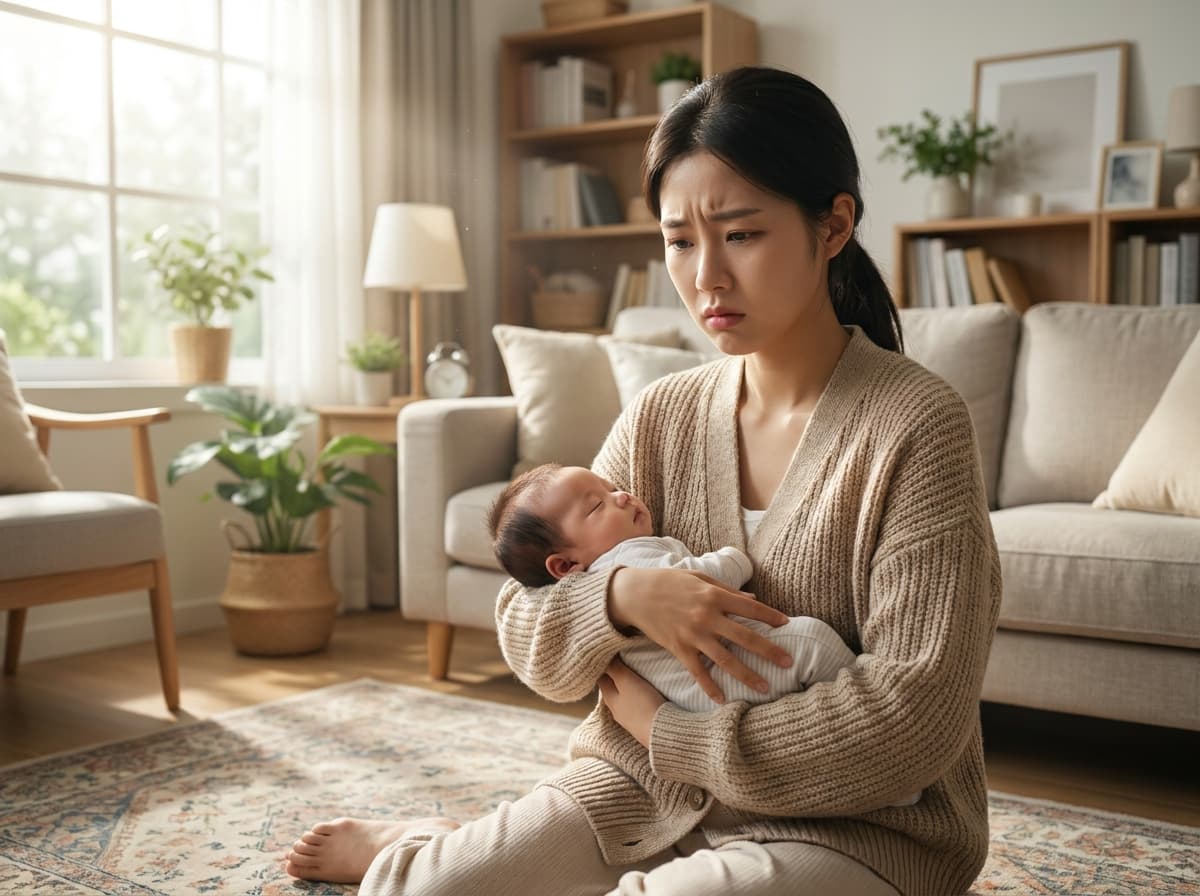
After giving birth, a mother's body undergoes significant changes. Breastfeeding is a precious time for providing effective nutrition to the baby, but it can also be a burden on the mother's body. "Is it okay to take herbal medicine while breastfeeding?" is one of the most common questions from mothers visiting Dalimchae. It's natural to want to recover while worrying about any potential harm to your baby.
💡 [Key Answer] Three common misconceptions about herbal medicine during breastfeeding: ① Worrying about negative effects on the baby ② Concerns about reduced milk supply or changes in taste ③ Fear that active ingredients will pass through breast milk to the baby Dalimchae Clinic protects the health of both mother and baby through personalized Constitutional Improvement principles.
Is It Truly Safe for the Baby?
The biggest concern is whether the medicine will affect the baby. Most herbal medicines prescribed by a qualified Korean medicine doctor are safe. Modern research, such as a 2017 study reported in The Korea Times, shows that most active ingredients are either not detected in breast milk or are present in negligible amounts. At Dalimchae Incheon, we carefully select only safe herbs, considering the mother's condition and breastfeeding status.
How Does Dalimchae Prescribe for Breastfeeding Mothers?
Our focus is on 'Constitutional Improvement.' Instead of just suppressing symptoms, we help the body regain its natural recovery power lost during childbirth. We address issues like Qi and Blood deficiency, stagnant blood (Eohyeol), and postpartum weakness, much like replenishing oil in an engine to help it run smoothly again.
Scientific studies, like the 2018 HaBIT study in the British Journal of Clinical Pharmacology and the 2023 SAFEHERE-PC protocol study, highlight the high satisfaction (86.88% at some clinics) and the ongoing efforts to evaluate the safety of herbal medicine in the postpartum period. Dalimchae combines clinical experience with these latest findings to provide safe care.
When Should Postpartum Constitutional Improvement Start?
Recovery after birth affects lifelong health. Generally, it's recommended to start about 1 to 2 weeks after delivery, depending on the recovery speed and type of delivery. Dalimchae Incheon determines the best timing through thorough examinations, including ultrasound and pulse diagnosis.
Postpartum Checklist
If you have more than 3 symptoms, consider Dalimchae's recovery program:
- Feeling heavy and lack of energy?
- Persistent fatigue while breastfeeding?
- Joint pain or coldness (postpartum wind)?
- Poor appetite or digestion?
- Difficulty sleeping deeply?
- Frequent mood swings or depression?
- Insufficient milk supply or quality?
3+ symptoms → Delayed recovery suspected → Consider complex treatment 5+ symptoms → Immediate visit recommended
FAQ Q: Does it reduce milk supply? A: No, we use herbs that improve the quality and quantity of milk by boosting Qi and Blood. Q: Will it affect the baby? A: We select herbs that do not pass through milk in significant amounts, making it safe for the baby. Q: Is it necessary? A: It is essential for recovering strength and preventing long-term postpartum issues.
Taking care of both a baby and your own recovery is a huge task. You don't have to just "tough it out." Dalimchae Clinic is here to help you find the root cause and recover your vitality.
Where Life Blooms. Herbal Medicine is, after all, Dalimchae.
Medical Review | Dalimchae Incheon, Dr. Yang Yu-chan (Postpartum Care Column)