
Hello. This is Dalimchae Korean Medicine Clinic.
I Suddenly Can't Breathe, Am I Having Panic Disorder?
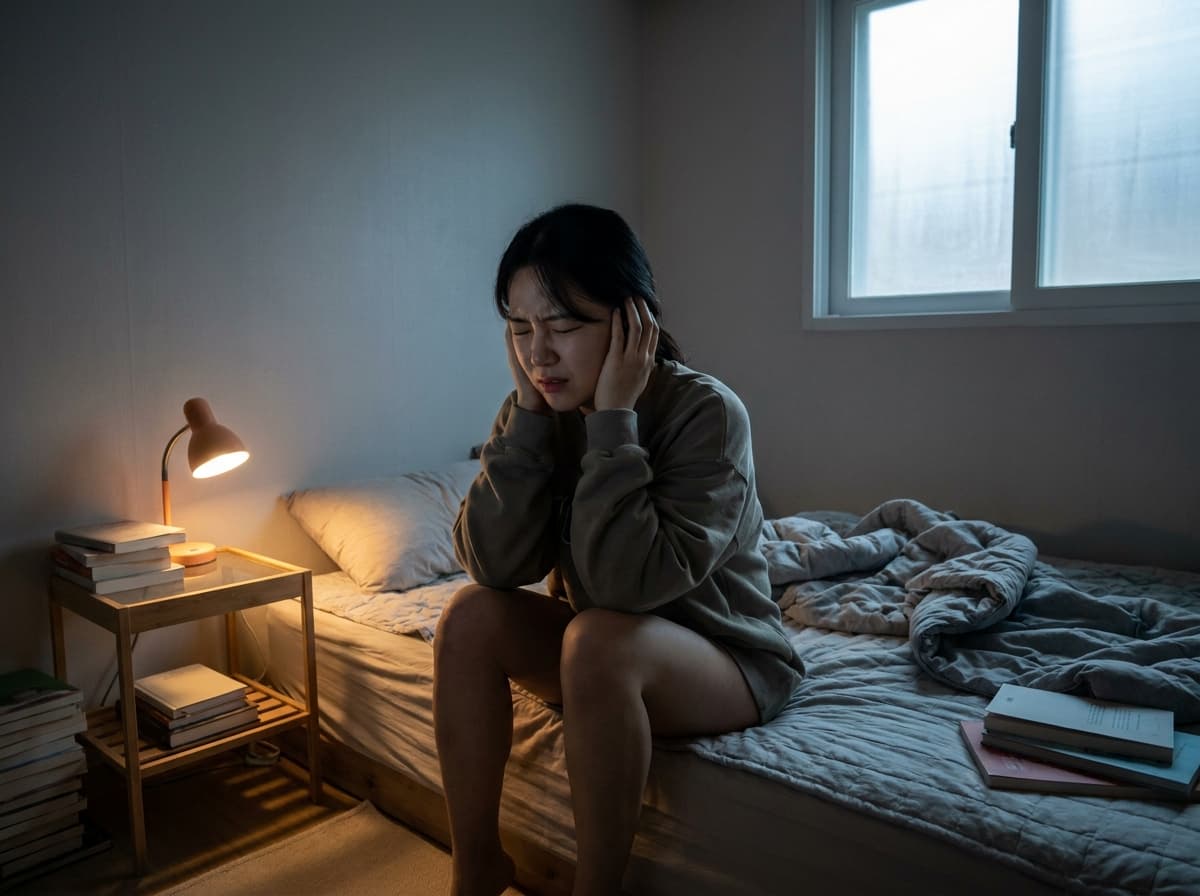
That sudden feeling of being unable to breathe, heart racing like it's about to burst, and feeling dizzy as if you might collapse—have you experienced this? When these symptoms strike in a crowded place or a closed tunnel, you might find yourself gripped by extreme fear, thinking, "Is something seriously wrong with me?" or "Am I going to die?" Even if the emergency room says there's nothing wrong, the anxiety about when it might happen again doesn't easily go away.
💡 Key Answer 3 most common causes of "I suddenly can't breathe": ① Autonomic imbalance due to excessive stress and anxiety ② Hyperventilation syndrome linked to psychological factors ③ Panic attack, an unexpected acute anxiety reaction Dalimchae Clinic resolves breathing discomfort and anxiety at their root through autonomic stabilization treatment, restoring balance to the brain and body.
Why do these symptoms occur when I suddenly can't breathe?
Suffocation, chest tightness, and heart palpitations are representative symptoms of panic disorder, often caused by stress and brain imbalance. Our body's respiratory center is located in the brainstem and is regulated by the autonomic nervous system. When stress accumulates or anxiety grows, the sympathetic nervous system becomes overactive, tensing respiratory muscles and making breathing fast and shallow. This physical reaction can create a vicious cycle by amplifying anxiety. In particular, if suffocation is accompanied by a feeling of "I'm going to die," it is highly likely to be a panic attack.
Is the anxiety that comes with suffocation purely a psychological problem?
Sudden suffocation and anxiety should be understood not just as a matter of the mind, but as a physical warning light indicating that the balance of the autonomic nervous system has been broken. The autonomic nervous system regulates all unconscious functions of our body, including breathing, heart rate, digestion, and body temperature. When this balance collapses, the brain cannot rest and continues to send anxiety signals like an overheated engine, manifesting as various physical symptoms such as difficulty breathing, palpitations, dizziness, indigestion, and insomnia.
How does Korean medicine treat sudden suffocation?
In Korean medicine, sudden suffocation and anxiety are seen as a result of weakness in the Heart (心) and Gallbladder (膽), and the stagnation of Qi (氣) due to stress. Treatment focuses on stabilizing an unstable heart and strengthening a weak spirit to correct the state where one is easily startled and feels trapped. This approach aligns with the concept of autonomic dysfunction in Western medicine.
Korean medicine treatment emphasizes the connection between mind and body, helping the autonomic nervous system regain balance and the brain function stably. Acupuncture, pharmacopuncture, and herbal prescriptions stabilize the overexcited sympathetic nervous system and induce parasympathetic activation, effectively restoring overall autonomic balance. It's like cooling down an overheated engine and resetting a tripped circuit breaker to help the body function normally.
Dalimchae Clinic's Autonomic Stabilization Treatment Principles
At Dalimchae Clinic, we use autonomic stabilization as a core treatment principle to solve the root cause of sudden suffocation and anxiety. When the autonomic nervous system is imbalanced, the brain stays in a state of excessive tension, sending various abnormal signals throughout the body. Korean medicine cools down the heat in the nervous system, creates an environment where the brain can rest, and bolsters the Heart and Gallbladder to restore a sense of stability. This process, known as 'Suseunghwagang' (cooling the head and warming the abdomen), calms the brain and empowers the body to heal itself.
Anxiety Disorder Self-Diagnosis Checklist
Check how many of the following apply to you:
- Unexpected sudden heart racing or palpitations.
- Feeling of suffocation or difficulty breathing.
- Dizziness, unreality, or feeling like you might collapse.
- Extreme fear of dying or losing control.
- Chest pain, nausea, or abdominal discomfort.
- Numbness or tingling in hands and feet.
- Feeling hot flashes or cold sweats.
- Constant fear and anxiety that another attack will occur.
Judgment Criteria:
- 3 or more: Anxiety disorder due to autonomic imbalance is suspected.
- 5 or more: High possibility of panic disorder; immediate consultation is recommended.
Don't just endure the symptoms of sudden suffocation. Your body is sending a signal. At Dalimchae Clinic, we will find the cause together.
Where life blooms. For herbal medicine, it's Dalimchae.
Medical Supervision | Min Jihong, Korean Medicine Doctor, Dalimchae Clinic Incheon Branch (Anxiety Disorder Column)