
Hello. This is Dalimchae Korean Medicine Clinic.
I hear a beep in my ears, tinnitus that interferes with study concentration, could it be a signal of brain fatigue?
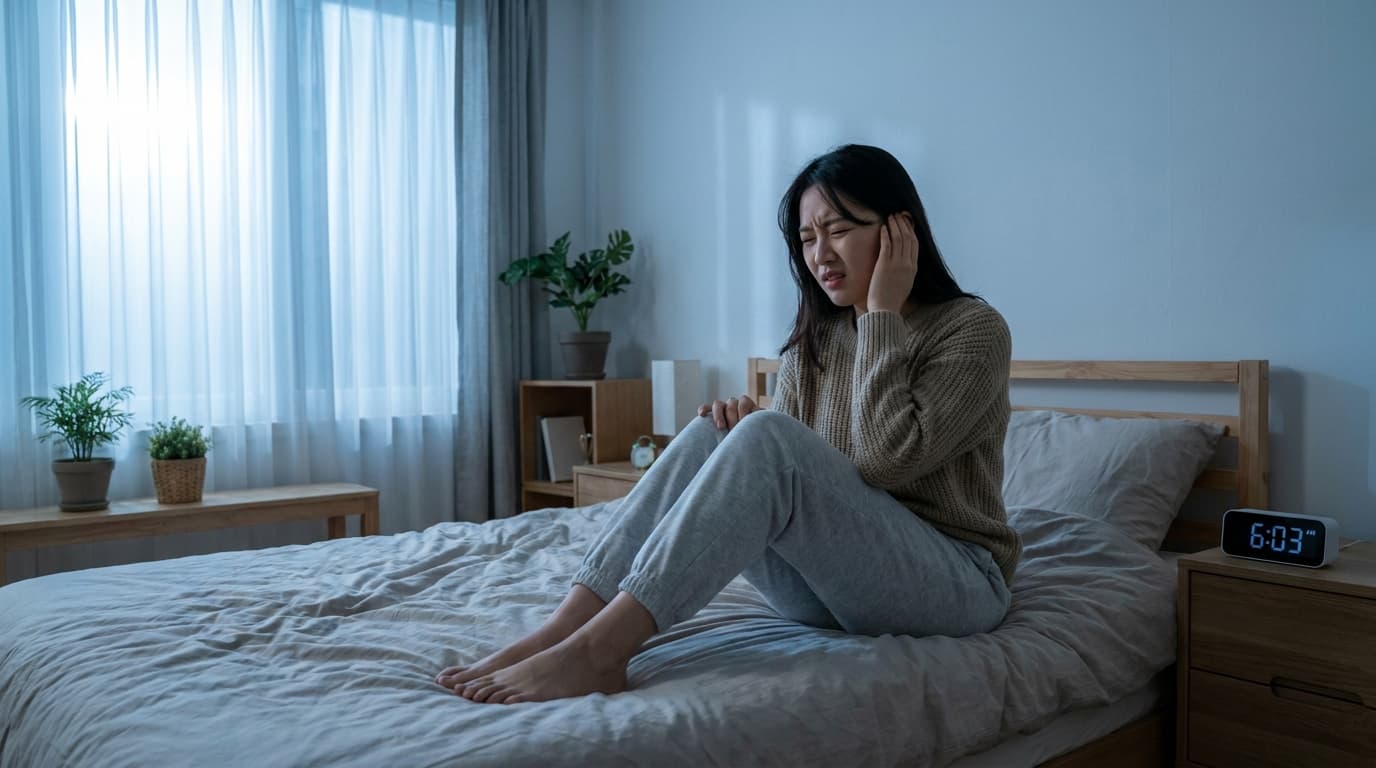
Have you ever had the experience of being distracted by a constant 'beep' sound in your ears in a quiet space when you need to concentrate on your studies or ahead of an exam? This sound, which becomes clearer when you lie down in bed on a quiet night, is not just noise but can be a powerful signal of fatigue and imbalance sent by the brain. Tinnitus, which starts as a small inconvenience but over time causes decreased concentration, sleep disorders, and even anxiety, encroaching on daily life, is no longer just a problem of the ears. Many people who suffer from difficulties in learning and daily life due to tinnitus visit Dalimchae Korean Medicine Clinic Songdo Branch.
💡 [Key Answer] The 3 most common causes of "I hear a beep in my ears": ① Excessive stress and increased brain activity / ② Autonomic nervous system imbalance / ③ Microscopic damage or hypersensitivity of the auditory system Dalimchae Korean Medicine Clinic creates a fundamental environment where tinnitus sounds cannot occur by restoring the balance of the brain and body through autonomic stabilization treatment.
Why do I hear a beep in my ears when I study? Is it just stress?
Many people dismiss tinnitus symptoms as "it must be because of stress" when they experience them. Of course, stress is a powerful trigger for tinnitus, but behind it lie more complex changes in the brain and autonomic nervous system. Especially if tinnitus worsens during study or work that requires concentration, this may be a signal that the brain is excessively activated and the balance of the autonomic nervous system is broken. Our body's autonomic nervous system consists of the sympathetic and parasympathetic nerves, and if the balance between the two is broken, the brain is constantly in a state of tension. This tension can constrict the microscopic blood vessels around the ears and make the auditory nerves hypersensitive, causing tinnitus symptoms where sound is perceived even when there is no actual sound.
Chronic stress, changes in brain neural networks that trigger tinnitus
There are latest research results showing that tinnitus is not just a problem of the ears. In a study by a research team at the Catholic University of Korea College of Medicine published in 'Laryngoscope' in February 2025, the effects of chronic stress on the occurrence of tinnitus were experimented on rats. As a result of the study, tinnitus symptoms appeared without changes in hearing in 64.3% of rats subjected to restraint stress for 2 hours every day for 10 days, and in particular, an increase in excitatory neurotransmitter receptors and a decrease in inhibitory neurotransmitter receptors were observed in specific areas of the brain. The researchers concluded that chronic stress itself can be a cause of tinnitus and triggers tinnitus and behavioral changes through changes in brain neural network activity.
Such research suggests that tinnitus, where sound is heard in the ears without external stimuli, is a complex response of the brain and autonomic nervous system rather than a simple auditory problem, and especially shows that excessive academic or work stress can lead to tinnitus. Based on this scientific basis, Dalimchae Korean Medicine Clinic understands tinnitus as an imbalance of the brain and autonomic nervous system and focuses on creating an environment where the brain can rest comfortably and recover on its own.
Dalimchae Korean Medicine Clinic's autonomic stabilization treatment, treating the root of tinnitus
Dalimchae Korean Medicine Clinic's autonomic stabilization treatment focuses on correcting the imbalance of the brain and autonomic nervous system, which is the cause of tinnitus sounds. If the balance of the autonomic nerves is broken, the brain cannot rest and keeps running like an overheated engine. This state can also lead to other cranial nerve system problems such as sleep disorders, headaches, and dizziness. In Korean medicine, creating an environment where the heat of the nervous system is lowered and the brain can rest is called 'Suseunghwagang (水昇火降)'.
In July 2025, a research team from Sandol Korean Medicine Clinic and others published a case report of applying complex Korean medicine treatment to one chronic tinnitus patient who had not responded to existing treatments in the 'World Journal of Clinical Cases'. This 35-year-old female patient had been suffering from tinnitus for over 10 years along with headaches and neck pain, and received a total of 11 Korean medicine treatments including acupuncture, Chuna therapy, and temporomandibular joint balance treatment. As a result of the treatment, the Tinnitus Handicap Inventory (THI) significantly improved from 68 points to 0 points, the Headache Impact Test (HIT-6) from 64 points to 36 points, and the Neck Disability Index (NDI) from 21 points to 0 points, and in particular, significant improvement in tinnitus symptoms was observed after only two treatments. The researchers concluded that individualized complex Korean medicine treatment can effectively improve the quality of life of chronic tinnitus patients.
Dalimchae Korean Medicine Clinic Songdo Branch is also conducting customized treatment to regain the balance of the autonomic nervous system by comprehensively considering the symptoms and constitution of each patient with tinnitus symptoms. This is the treatment philosophy of Songdo Tinnitus Korean Medicine Clinic, which helps you return to a healthy daily life by resolving the deep-seated causes within the body that trigger tinnitus, beyond simply eliminating the sound.
Is my tinnitus due to autonomic imbalance? Self-diagnosis checklist
If 3 or more of the following items apply, it is good to suspect autonomic tinnitus and receive a precision diagnosis at Dalimchae Korean Medicine Clinic.
- Tinnitus sounds are felt louder in quiet places or when going to bed.
- Tinnitus sounds worsen when stressed or tired.
- It is difficult to fall asleep or I wake up frequently because of tinnitus.
- I am experiencing headaches, dizziness, and neck and shoulder stiffness together.
- I feel a decrease in concentration and memory.
- I always feel anxious or restless frequently.
- Autonomic nervous system symptoms such as heart palpitations and indigestion are accompanied.
Judgment Criteria:
- If 3 or more apply: Since the possibility of tinnitus due to autonomic imbalance is high, it is recommended to review complex Korean medicine treatment.
- If 5 or more apply: Since tinnitus symptoms are already having a major impact on life, it is important to start professional diagnosis and treatment through an immediate visit to Dalimchae Korean Medicine Clinic Songdo Branch.
FAQ: Questions about tinnitus, Dalimchae Korean Medicine Clinic answers.
Q. How long do I need to be treated for tinnitus to see an effect? A. The tinnitus treatment period can vary depending on the severity of individual symptoms, cause, and duration of onset. Early tinnitus tends to improve relatively quickly, and even with chronic tinnitus, improvement in symptoms and quality of life can be expected through steady treatment. Dalimchae Korean Medicine Clinic usually recommends intensive treatment for about 3 to 6 months and establishes an individualized treatment plan.
Q. I hear a beep in my ears, can it be treated with Korean medicine even if hearing loss is accompanied? A. Yes, tinnitus and hearing loss are closely related, and tinnitus accompanied by hearing loss can also be improved with Korean medicine treatment. Dalimchae Korean Medicine Clinic's autonomic stabilization treatment helps alleviate tinnitus and hearing loss symptoms by recovering the function of the auditory nervous system and relieving brain fatigue.
Q. Can tinnitus that occurs when studying heal naturally? A. Mild tinnitus due to temporary stress may improve naturally through rest. However, if tinnitus lasts for more than a few days or causes decreased concentration and sleep disorders, it is important to start active treatment rather than expecting natural improvement. Especially, visiting a Songdo Korean Medicine Clinic for early treatment can prevent chronicity and lead to a better prognosis.
Q. I have tinnitus, anxiety, and sleep disorders together, can they be treated together? A. Yes, tinnitus, anxiety, and sleep disorders often appear together due to an imbalance of the autonomic nervous system. Dalimchae Korean Medicine Clinic's autonomic stabilization treatment focuses on integrally improving overall nervous system symptoms including tinnitus. We help recover healthy sleep and a stable emotional state by calming the brain's excessive excitement and regaining body balance.
Tinnitus is not a problem that can be solved by enduring. You no longer have to ignore the signals your body has been sending for a long time. If you approach in the right direction, the body responds faster than you think. Bring your symptoms exactly as they are. At Dalimchae Korean Medicine Clinic, we will find the cause together.
Where life blooms. For herbal medicine, it's Dalimchae Korean Medicine Clinic. Check your symptoms similar to mine through the AI consultation on the Dalimchae Korean Medicine Clinic website first!
This article is health information compiled by Dalimchae medical staff based on questions frequently received in the treatment room. Medical Supervision | Brain & Autonomic Nerve Treatment Standards Dalimchae Korean Medicine Clinic Songdo Branch Korean Medicine Doctor Oh Hyunmin (Tinnitus Column)