
Hello. This is Dalimchae Korean Medicine Clinic.
I Feel So Tired and Exhausted: Is It Just Stress or Autonomic Dysfunction?
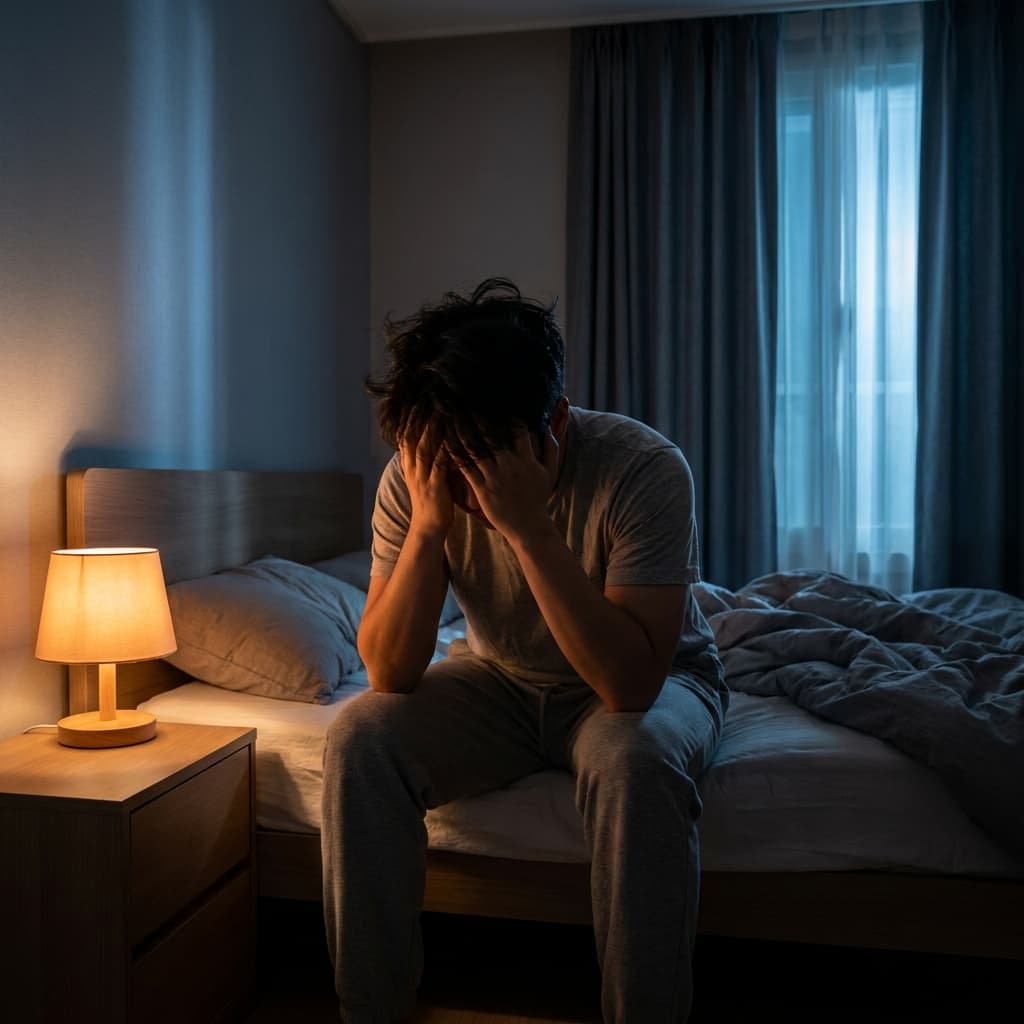
Lately, many people have been visiting our clinic complaining, "I feel so tired and exhausted." They suffer from extreme stress, chronic fatigue, and an unknown sense of helplessness, but often receive the answer "there's nothing wrong" after hospital examinations. It's too painful to dismiss it as just stress; the signals your body is sending are clear. Many are anxious, wondering if they are experiencing autonomic dysfunction rather than simple stress. If these symptoms persist, they should no longer be ignored.
💡 [Key Answer] 3 most common causes of feeling exhausted: ① Autonomic imbalance due to excessive stress / ② Chronic sleep deprivation and overwork / ③ Brain function affected by poor gut health (gut-brain axis issues) Dalimchae Clinic helps turn off the body's overheated warning lights and restore fundamental balance through autonomic stabilization.
Why has autonomic dysfunction become a common chronic illness for modern people?
The autonomic nervous system is a crucial system that regulates all vital activities of our body. It controls functions that occur automatically without our conscious effort, such as heartbeat, breathing, digestion, temperature regulation, and sleep. It consists of two axes: the sympathetic and parasympathetic nervous systems. When the balance between these two is broken, our body starts to malfunction like an overheated engine. Modern society, with its constant competition, irregular lifestyle, and information overload, makes it easy for the autonomic nervous system to remain in a state of sympathetic hyperactivity (tension). This weakens the parasympathetic nervous system, which is responsible for mental and physical stability, leading to overall physical decline and, eventually, a diagnosis of autonomic dysfunction.
Autonomic dysfunction appears as a complex of various physical symptoms rather than a single disease and is deeply linked to stress. While Western medicine tends to approach symptoms related to autonomic dysfunction as individual diseases, Korean medicine views autonomic imbalance as a disharmony of Yin and Yang and focuses on restoring the harmony and balance of the entire body. Especially, autonomic dysfunction related to stress is a notable condition from the perspective of Korean medicine, which emphasizes the connection between body and mind.
How does Korean medicine treatment help with autonomic dysfunction?
The Korean medical approach to autonomic dysfunction focuses on strengthening the body's natural resilience and regaining the lost balance of the autonomic nervous system. It aims to find and solve the root cause of symptoms rather than simply suppressing visible signs.
A study published in Frontiers in Human Neuroscience in 2025 by a research team from Hunan Medical University in China revealed the impact of acupuncture on autonomic regulation and physical stress relief through Heart Rate Variability (HRV) analysis. Applying acupuncture and moxibustion to specific points like Joksamni (ST36) and Jungwan (CV12) on 35 healthy volunteers for 15 minutes resulted in a significant increase in HRV indicators (HF, RMSSD, SD1, SD2, TP, SDNN), confirming enhanced parasympathetic activity. Additionally, heart rate and the Physical Stress Index (PSI) showed a decreasing trend during treatment. Based on these results, researchers concluded that acupuncture effectively relieves physical stress by regulating autonomic activity and can be a potential treatment for stress management and health maintenance.
Based on this data, Dalimchae Clinic uses HRV tests to objectively measure autonomic activity, closely diagnosing the patient's current state. We focus on stabilizing the over-hyperactive sympathetic nervous system and activating the weakened parasympathetic system through complex Korean medical treatments like acupuncture, moxibustion, and herbal medicine. This provides a fundamental solution for many seeking an autonomic clinic in Songdo.
Additionally, a study by Park Su-jeong's research team reported in the Korean medical community in 2025 documented a case of a 71-year-old female patient with acute stress disorder accompanied by autonomic symptoms. After 27 days of inpatient treatment involving herbal medicine (Sosiho-tang, Cheonwangbosim-dan), acupuncture, cupping, and moxibustion, her Anxiety Scale (BAI) score decreased from 29 to 18, improving from severe anxiety to the normal range. Chest and side pain (NRS) significantly decreased from 7 to 2. The quality of life index (EQ-5D) increased from 0.485 to 0.816, and total sleep time improved from 3 hours to 6 hours. This case suggests that complex Korean medical treatment can effectively alleviate psychological and autonomic symptoms caused by acute stress disorder.
Thus, Dalimchae Clinic helps the harmonious recovery of the autonomic nervous system by combining various treatments like herbal medicine and acupuncture tailored to each individual's constitution and symptoms. This can be especially effective for those whose brains and autonomic systems are exhausted due to chronic stress.
Treatment Principle of Dalimchae's Autonomic Stabilization
When autonomic balance is broken, the brain cannot rest. The sympathetic nervous system, working excessively without rest, constantly stimulates the brain, leading to brain and autonomic disorders such as insomnia, headaches, dizziness, and tinnitus. Dalimchae's autonomic stabilization treatment focuses on lowering the excessive heat of the nervous system and creating an environment where the brain can rest peacefully. In Korean medicine, this is called 'Suseung-hwagang' (water rising, fire falling), emphasizing cooling the head and warming the lower abdomen to smooth the circulation of Qi and blood and restore autonomic balance.
To achieve this, we prescribe customized herbal medicine to calm the excitation of the nervous system and increase resistance to stress by replenishing energy. We also perform acupuncture on specific meridians to directly regulate autonomic balance and use moxibustion to warm the lower part of the body, aiding Suseung-hwagang. This complex treatment goes beyond mere symptom relief, contributing to the body's resilience so that the autonomic nervous system can find harmony on its own. For those in Songdo suffering from chronic stress and fatigue, Dalimchae's autonomic stabilization treatment can be a path to regaining new vitality.
Is it Autonomic Dysfunction? Self-Diagnosis Checklist
If 3 or more items apply, you may suspect autonomic imbalance; if 5 or more apply, professional consultation is needed.
- You are very vulnerable and sensitive to stress.
- Fatigue doesn't resolve no matter how much you rest, and your body always feels heavy.
- You often feel heart palpitations, chest tightness, or difficulty breathing.
- You have poor digestion, frequent indigestion, and recurring abdominal pain or diarrhea/constipation.
- You have poor sleep quality, such as difficulty falling asleep or frequent waking.
- You frequently experience head heaviness, headaches, or dizziness.
- Your hands and feet are cold, you sweat excessively, or your face flushes easily.
- You suffer from anxiety, restlessness, or depression without a specific reason.
- Your neck or shoulders are often stiff and sore, with chronic muscle pain.
- You feel abnormalities in bodily secretion functions, such as dry eyes or dry mouth.
→ 3+ items: High possibility of autonomic imbalance. Consider Dalimchae's complex treatment. → 5+ items: May be severe autonomic dysfunction. Immediate visit is recommended.
Frequently Asked Questions (FAQ)
Q. How long does the treatment for autonomic dysfunction take? A. The treatment period varies depending on the severity of symptoms, the cause, and lifestyle habits. Generally, symptoms improve over weeks to months with consistent treatment and management.
Q. Can autonomic dysfunction be treated with Korean medicine? A. Yes, it is a condition that can be sufficiently managed and improved with Korean medical treatment. Acupuncture and herbal medicine help regulate the autonomic balance and increase the body's resilience.
Q. Is stress management important? A. Since stress is a major cause, management is crucial. We provide advice on stress management and lifestyle improvements alongside treatment.
Q. Can accompanying symptoms be treated together? A. Yes, autonomic dysfunction often accompanies symptoms like headaches, dizziness, and insomnia. We diagnose and treat these integratedly for overall health recovery.
Don't ignore the warning lights your body is sending. If you approach in the right direction, your body will respond faster than you think. Bring your symptoms as they are. Dalimchae Clinic will find the cause with you.
Where life blooms. For herbal medicine, it's Dalimchae. Check your symptoms via AI consultation on our website!
Medical Supervision | Dalimchae Clinic Songdo Branch, Dr. Oh Hyunmin