
Hello, this is Dalimchae Korean Medicine Clinic.
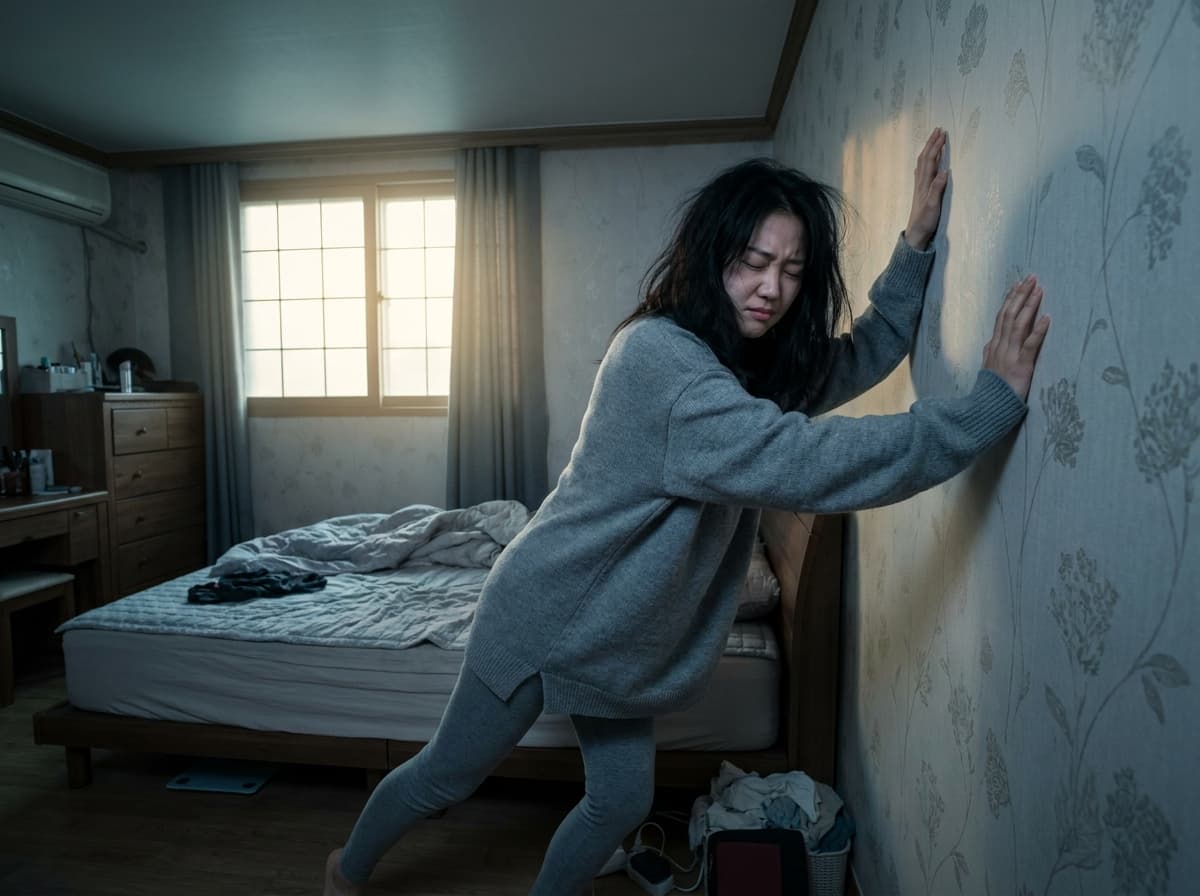
I feel like I'm going to collapse as my vision goes dark. Hidden causes of anxious dizziness.
Have you ever experienced a sudden darkening of your vision and felt like you were about to collapse? Many people feel significant discomfort in their daily lives due to unexplained dizziness and anxiety, especially when standing up or in crowded places like subways or supermarkets. Even after various hospital tests, hearing "everything is normal" only increases frustration and anxiety. This type of dizziness may be deeply related to functional imbalances in the body, particularly the autonomic nervous system, rather than just physical issues.
💡 [Key Answer] The 3 most common causes of anxious dizziness like 'vision going dark': ① Autonomic Imbalance: Stress and overwork overheat the heart, impairing autonomic regulation. ② Circulation Issues: Unstable blood supply to the brain or blockages due to waste products like 'blood stasis'. ③ Reduced Brain Function: Temporary decline in sensory integration or vestibular system issues. Dalimchae Korean Medicine Clinic restores the balance of body and mind for those suffering from unknown dizziness through Autonomic Stabilization Treatment.
Why does dizziness often show no abnormalities in hospital tests?
Often, no clear cause is found for dizziness at hospitals because it can stem from subtle functional imbalances rather than structural problems in the ears or brain. Cumulative stress and overwork can lead to autonomic dysfunction, which is not easily detected by standard tests. This may manifest as orthostatic hypotension or be accompanied by palpitations and anxiety.
The autonomic nervous system controls vital functions like heart rate, blood pressure, and digestion. Constant stress or overwork breaks the balance between the sympathetic and parasympathetic systems, leading to autonomic dysfunction. This instability can hinder blood flow to the brain, causing dizziness. In Korean medicine, an overheated heart ('Sim-yeol') is often the culprit, and cooling this is key to restoring balance.
Finding answers through autonomic stabilization
Research suggests that traditional Korean medicine, including herbal formulas like 'Yeonggyechulgam-tang', significantly improves symptoms of peripheral vertigo and autonomic symptoms. Clinical reports also show that integrated Korean treatments (acupuncture, herbal medicine, moxibustion) significantly improve orthostatic dizziness and stabilize blood pressure.
Dalimchae's Autonomic Stabilization Treatment
At our Songdo branch, we diagnose chronic and anxious dizziness as a result of autonomic imbalance. We focus on the principle of 'Suseunghwagang'—cooling the head and warming the abdomen—to harmonize blood flow. Personalized herbal medicine, acupuncture, and moxibustion are used to stabilize the heart, improve circulation, and restore the body's self-regulation.
Autonomic Imbalance Checklist If you have 3 or more, you may have autonomic dizziness:
- Vision goes dark when standing up.
- Frequent palpitations or chest tightness.
- Feeling anxious or tense without reason.
- Difficulty sleeping or unrefreshing sleep.
- Brain fog or poor concentration.
- Indigestion or bloating.
- Cold or hot flashes in hands/feet.
- Chronic headaches or stiff neck/shoulders.
- Dizziness worsens in crowds.
- Tinnitus or hearing loss.
FAQ
Q. How long does treatment take? A. Usually 3 to 6 months of consistent care, depending on severity.
Q. Can orthostatic dizziness be treated? A. Yes, we strengthen the heart and autonomic functions to improve blood pressure regulation.
Q. Can dizziness and tinnitus be treated together? A. Yes, since both are often linked to autonomic imbalance and circulation.
Don't just endure it. Your body is sending a signal. At Dalimchae Korean Medicine Clinic, we will find the cause together.
Medical Supervision | Oh Hyun-min, KMD, Songdo Branch (Dizziness Column)