
Hello, this is Dalimchae Korean Medicine Clinic.
Is there a constant ringing in your ears? Distinguishing between temporary and chronic tinnitus is the key to faster treatment.
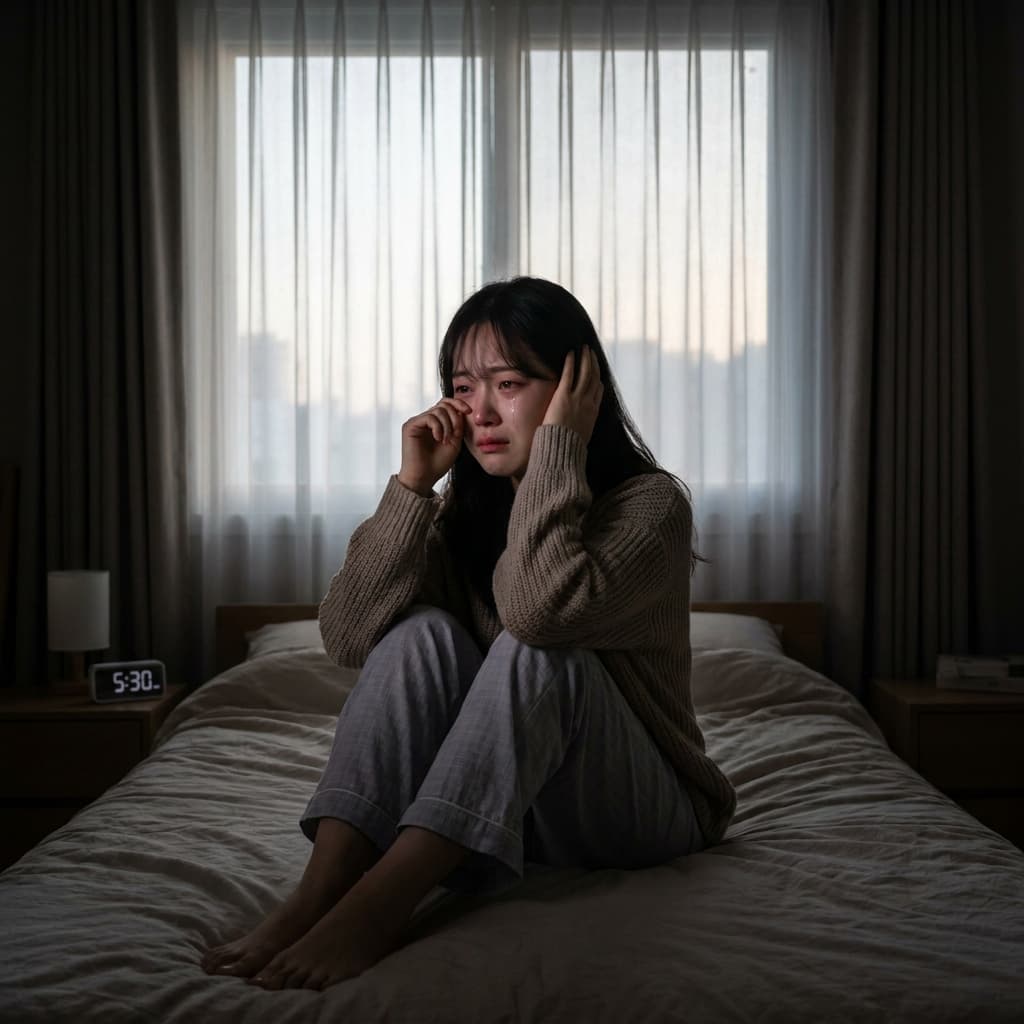
Have you ever been startled by a sudden 'beep' or 'wing' sound in your ears? Many people suffer from sounds that become clearer at night, making it hard to sleep and focus during the day. While many dismiss tinnitus as a temporary phenomenon caused by fatigue, if it repeats or lasts long, it may be an important signal from your body. In particular, it is crucial to recognize that tinnitus is closely related to psychological factors such as stress and anxiety.
💡 [Key Answer] The 3 most common causes of ringing in the ears: ① Hearing organ damage and aging: Damage to inner ear hair cells, presbycusis / ② Stress and autonomic imbalance: Over-reaction of the brain's nervous system due to excessive stress and fatigue / ③ Muscle issues in the jaw and neck: Abnormal physical imbalance or blood circulation problems Dalimchae Korean Medicine Clinic approaches these causes through autonomic stabilization treatment to lower brain hypersensitivity and restore body balance to improve tinnitus symptoms.
Is the sound in your ears temporary or chronic?
Tinnitus is a common symptom that anyone can experience. If the sound lasts for about 5 seconds with a muffled feeling and then disappears, it is likely temporary tinnitus caused by stress, fatigue, temporary blood pressure changes, or noise exposure. This temporary tinnitus usually disappears naturally and often doesn't require special treatment.
However, if symptoms last for more than a week, repeat frequently, or increase in intensity/change form, chronic tinnitus should be suspected. Chronic tinnitus is closely linked to brain over-activation or autonomic nervous system imbalance, not just ear problems. Many chronic tinnitus patients also suffer from depression or anxiety, and persistent tinnitus can significantly lower quality of life by causing sleep disorders and memory impairment.
Chronic tinnitus may be due to brain over-reaction, not just an ear problem.
Many patients feel frustrated after hearing "there is nothing wrong with your ears" at an ENT clinic. This is because tinnitus often occurs due to abnormal brain activity or autonomic imbalance. When the balance between the sympathetic and parasympathetic nervous systems is broken due to stress or overwork, the brain reacts hypersensitively, perceiving sound even when there is none.
A 2019 study by Tu et al. published in 「Current Medical Science」 explored the link between autonomic balance and tinnitus improvement in 30 adult patients after 3 weeks of acupuncture. The results showed that the Tinnitus Handicap Inventory (THI) decreased significantly in the deep acupuncture group compared to the shallow acupuncture group (P=0.043), and heart rate variability (HRV) patterns also changed, suggesting autonomic regulation. The researchers concluded that 3 weeks of deep acupuncture can improve symptoms through autonomic balance. This data supports Dalimchae's approach of treating tinnitus as an autonomic imbalance. Dalimchae Korean Medicine Clinic in Incheon focuses on solving the root cause by lowering nervous system sensitivity.
A 2023 study published in the 「Journal of Korean Medicine Ophthalmology & Otolaryngology & Dermatology」 analyzed the effects of acupuncture and TENS on tinnitus. Analyzing multiple databases, the study found significant effects from both treatments across various evaluation tools like THI, fMRI, and HRV. The researchers concluded that acupuncture and TENS are potential treatments for tinnitus. Neurophysiological models suggest that tinnitus involves not only auditory pathways but also the autonomic and limbic systems. Based on these findings, Dalimchae provides customized treatments tailored to each patient's symptoms and causes.
If autonomic balance is broken, the brain cannot rest. (Autonomic Stabilization)
The autonomic nervous system acts like the accelerator (sympathetic) and brake (parasympathetic) of a car. If the sympathetic nervous system is over-activated due to stress or lack of sleep, the body remains tense, and the brain cannot rest. This state interferes with micro-circulation in the ear and increases the sensitivity of the auditory cortex, creating a vicious cycle. Dalimchae focuses on cooling down the nervous system and creating an environment where the brain can rest—called 'Suseunghwagang' in Korean medicine. This is also effective for those suffering from headaches or dizziness. Dalimchae in Incheon diagnoses the autonomic state of each patient and focuses on solving the root cause through acupuncture, moxibustion, and herbal medicine.
What is the state of my tinnitus? Self-Checklist
If 3 or more items apply, it is likely tinnitus due to autonomic imbalance. If 5 or more apply, consider professional diagnosis immediately.
- Experiencing severe stress or chronic fatigue recently.
- The sound becomes louder at night or in specific postures.
- Difficulty falling asleep or low sleep quality due to tinnitus.
- Accompanied by headache, dizziness, or neck/shoulder tension.
- The sound changes (beep, wing, shh, etc.).
- Feeling sensitive or anxious frequently.
- History of excessive noise exposure.
- Other autonomic symptoms like indigestion or heart palpitations.
3+ items: Suspect autonomic imbalance tinnitus → Consider stabilization therapy. 5+ items: High possibility of low quality of life → Recommend visiting a professional clinic.
FAQ: Frequently Asked Questions about Tinnitus
Q. Does temporary tinnitus need treatment? A. It usually disappears naturally. However, if it repeats or intensifies, it may progress to chronic tinnitus, so consulting a professional to find the cause is recommended.
Q. Does tinnitus always come with hearing loss? A. Often, but not always. You can experience tinnitus even with 'normal' hearing tests due to brain hypersensitivity or autonomic imbalance.
Q. How long does treatment take? A. It depends on severity, cause, and recovery speed. Temporary tinnitus recovers quickly, but chronic tinnitus requires time to restore autonomic balance.
Q. Can headaches or dizziness be treated together? A. Yes, these are often linked to autonomic imbalance. Dalimchae's stabilization treatment improves the root cause of these symptoms together.
Tinnitus is not something to just endure. Don't ignore the signals your body is sending. With the right approach, your body reacts faster than you think. Bring your symptoms to Dalimchae Incheon, and let's find the cause together.
Where life blooms. For herbal medicine, it's Dalimchae. Check your symptoms with our website's AI consultation first!
This health information was compiled by Dalimchae medical staff based on common clinic questions. Medical Supervision | Min Jihong, Dalimchae Korean Medicine Clinic Incheon Branch (Tinnitus Column)
#Tinnitus #EarRinging #AutonomicNervousSystem #SongdoKoreanMedicine #IncheonKoreanMedicine #SleepDisorder #ChronicTinnitus #TemporaryTinnitus