
Hello. This is Dalimchae Korean Medicine Clinic.
I always have an upset stomach and diarrhea. Could it be Irritable Bowel Syndrome?
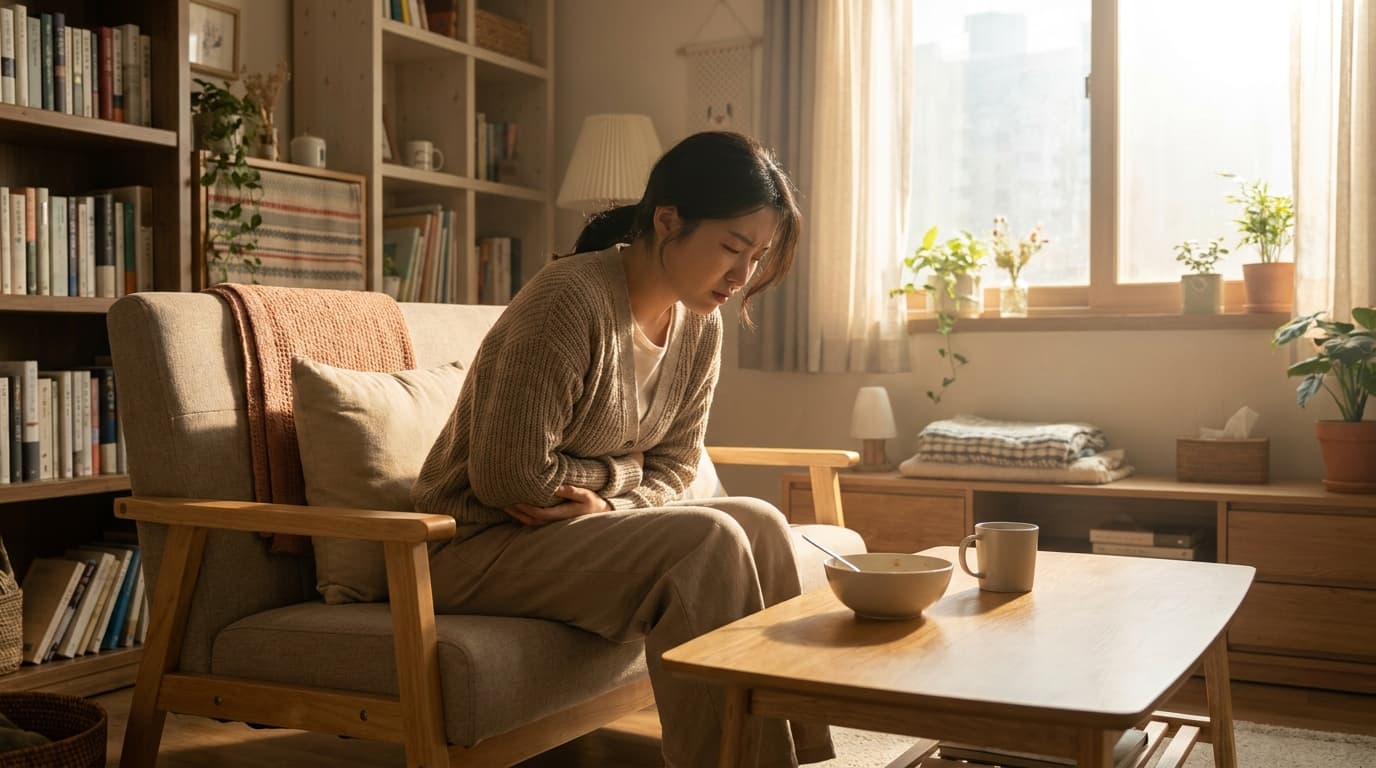
"My stomach hurts slightly and I only have diarrhea when I go to the bathroom." "Whenever I get stressed, my stomach reacts immediately." "I'm afraid to go out because my stomach feels bloated and uncomfortable after eating." Are these symptoms repeating for you? Sudden stomach upsets or diarrhea are common, but if you frequently have stomach pain and alternating diarrhea and constipation without a specific reason, it might not be simple enteritis but 'Irritable Bowel Syndrome (IBS)'. Even if tests show no abnormalities, it is a representative form of chronic intestinal disease that is always uncomfortable and painful in daily life.
💡 [Key Answer] The 3 most common causes of frequent stomach upset and diarrhea: ① Gut-Brain Axis Imbalance: Stress stimulates the brain, and the brain directly affects gut function, causing hypersensitivity. ② Damaged Gut Barrier and Microbiome Imbalance: A weakened gut lining allows toxins to enter easily, and the balance between good and bad bacteria is broken, promoting inflammation. ③ Autonomic Nervous System Dysfunction: The regulation of peristalsis and digestive secretion by the autonomic nervous system is impaired, leading to functional abnormalities. Dalimchae Korean Medicine Clinic's Gut-Detox treatment removes toxins within the intestines and strengthens the gut barrier to restore the gut's inherent recovery power.
How is Irritable Bowel Syndrome different from regular enteritis?
Both simple enteritis and IBS cause symptoms like abdominal pain and diarrhea, but they differ in their root causes and patterns. Enteritis is an acute inflammatory disease mainly caused by bacterial or viral infections and usually improves within a few days. However, IBS is a functional gastrointestinal disorder where symptoms like abdominal pain, bloating, diarrhea, or constipation repeat chronically even without inflammation or structural abnormalities in the gut. In other words, if discomfort persists even after being told there's nothing wrong, you can suspect IBS.
Why does Irritable Bowel Syndrome keep recurring?
The core reason for the continuous recurrence of IBS lies in 'Gut-Brain Axis imbalance' and 'autonomic nervous system disruption'. The gut and the brain are closely connected, known as the 'Gut-Brain Axis'. When psychological factors like stress, anxiety, or tension stimulate the brain, the brain sends signals to the gut, affecting its motor function and sensation. This causes the gut to react hypersensitively, leading to symptoms like abdominal pain, diarrhea, and constipation.
Furthermore, if the balance of the autonomic nervous system, which regulates digestive functions, is broken, intestinal peristalsis may become abnormally accelerated or decreased. When stress is severe, the sympathetic nervous system becomes excessively active, increasing the sensitivity of the gut and making it react easily to small stimuli. In this way, the gut, brain, and autonomic nervous system negatively affect each other, creating a vicious cycle of chronic recurrence. Many people visiting the Songdo IBS clinic suffer for a long time due to these complex causes.
How does Korean medicine view IBS when tests are normal?
From the perspective of Korean medicine, IBS—which conventional medicine often fails to find abnormalities for through endoscopy or blood tests—focuses on improving the function of the gut itself. Korean medicine diagnoses IBS as 'Spleen and Stomach weakness', 'Phlegm accumulation (Dam-jeok)', or 'Liver Qi stagnation'. This means the digestive system is weakened, unnecessary waste (phlegm) has accumulated to hinder gut movement, or the circulation of Qi and blood is stagnant due to stress.
In particular, toxins, inflammation, and damage to the gut wall lower the immune function of the gut, which in turn affects the gut-brain axis and deepens autonomic imbalance. Dalimchae Korean Medicine Clinic identifies these complex causes and provides personalized treatment tailored to each individual's constitution and symptoms. Rather than simply suppressing symptoms, we aim for fundamental improvement by restoring the gut's original function and strengthening the connection between the gut and the brain.
What is the principle of Dalimchae's Gut-Detox treatment?
At Dalimchae Korean Medicine Clinic, Gut-Detox is the core treatment to break the chronic recurrence of IBS. Gut-Detox works by discharging toxins and waste accumulated on the gut wall and restoring the damaged gut mucosa to strengthen gut immunity. We view the gut not just as a simple digestive organ, but as the 'second brain' and the 'core of immunity'. If the gut wall is damaged, harmful substances from the gut enter the bloodstream and cause chronic inflammation throughout the body, which disrupts the gut-brain axis and negatively affects brain function and the autonomic nervous system.
According to a study published in the 『Journal of Ethnopharmacology』 in 2021, an 8-week herbal medicine treatment for 120 IBS patients resulted in a significant decrease in IBS symptom severity scores (IBS-SSS) (p < 0.001), with abdominal pain and bloating especially showing great improvement compared to the control group. Researchers concluded that these results were due to the herbal medicine contributing to improving the gut microbial environment and regulating inflammatory responses.
Additionally, a 2023 meta-analysis study published in 『Complementary Therapies in Medicine』, which analyzed 23 randomized controlled trials with a total of 2,139 IBS patients, reported that Korean medicine treatment had a significant effect on improving IBS symptoms and quality of life. This study particularly suggested that Korean medicine treatment can have a positive impact on gut-brain axis regulation and gut permeability improvement.
Based on these research results, Dalimchae provides personalized herbal prescriptions to maximize the gut's detoxification function and help regenerate the gut wall. In addition, acupuncture, moxibustion, and pharmacopuncture are combined to normalize intestinal peristalsis and restore the balance of the autonomic nervous system to reduce gut hypersensitivity. As a Songdo intestinal disease clinic, Dalimchae helps patients return to a comfortable daily life through the fundamental recovery of gut health.
Self-Diagnosis Checklist for Frequent Upset Stomach and Diarrhea
Check if any of the following apply to you:
- Abdominal pain is frequent, and the pain tends to decrease after a bowel movement.
- Diarrhea or constipation repeats, or they appear alternately.
- The stomach feels gassy, bloated, and full frequently.
- Gut symptoms worsen with stress, such as stomach pain or diarrhea.
- The frequency of bowel movements or the consistency of stool changes without a specific cause.
- Feeling of incomplete evacuation or a sudden urge to go to the bathroom.
- Non-digestive symptoms like fatigue, headache, or shoulder tension also appear.
Assessment Criteria:
- 3 or more: IBS is suspected. It may be an autonomic hypersensitivity reaction due to gut-brain axis imbalance. Consider integrative Korean medicine treatment.
- 5 or more: Immediate examination and treatment are necessary. Active treatment for gut recovery is recommended.
FAQ
Q. Can IBS be managed after treatment? A. Although IBS tends to be chronic, symptoms can be significantly alleviated and the discomfort of daily life can be resolved through steady treatment and management. If you aim for fundamental recovery of gut function and balance the gut-brain axis, you can maintain a comfortable state.
Q. Is frequent diarrhea after enteritis also IBS? A. If diarrhea or abdominal pain repeats for more than 3 months without recovery after acute enteritis, it may be post-infectious IBS. This happens when the gut wall is damaged and the gut microbiome is imbalanced by enteritis, increasing gut sensitivity.
Q. Is diet management important for IBS? A. Yes, diet management is very important for alleviating IBS symptoms. In particular, foods high in FODMAPs (certain carbohydrates like fructose and lactose) can cause gas in the gut and worsen diarrhea, so it is better to limit them. Personalized dietary guidance is necessary.
Q. Looking for an IBS clinic in Songdo? A. At Songdo Dalimchae Korean Medicine Clinic, we deeply diagnose the complex causes of IBS and help restore gut function through personalized Korean medicine treatments such as Gut-Detox herbal medicine, acupuncture, moxibustion, and pharmacopuncture. We guide you to escape uncomfortable symptoms by establishing a treatment plan optimized for your constitution and symptoms.
IBS with frequent stomach upset and diarrhea is not a problem that can be solved by enduring it. You no longer have to ignore the signals your body has been sending for a long time. If you approach it in the right direction, your body reacts faster than you think. Bring the symptoms you are experiencing as they are. Dalimchae will find the cause together.
Where life blooms. Herbal medicine is, after all, Dalimchae. Check your symptoms first with the AI consultation on the Dalimchae homepage!
This information was compiled by the medical staff of Dalimchae based on common questions received in the examination room. Medical Supervision | Songdo Dalimchae Korean Medicine Clinic, Dr. Oh Hyunmin (Intestinal Disease Column) #IBS #StomachUpset #Diarrhea #GutDetox #SongdoIBS #SongdoClinic #GutBrainAxis #KoreanMedicine #FrequentDiarrhea