
Hello. This is Dalimchae Korean Medicine Clinic.
Feeling Weak and Cold Sweats for No Reason, Could It Be Autonomic Dysfunction?
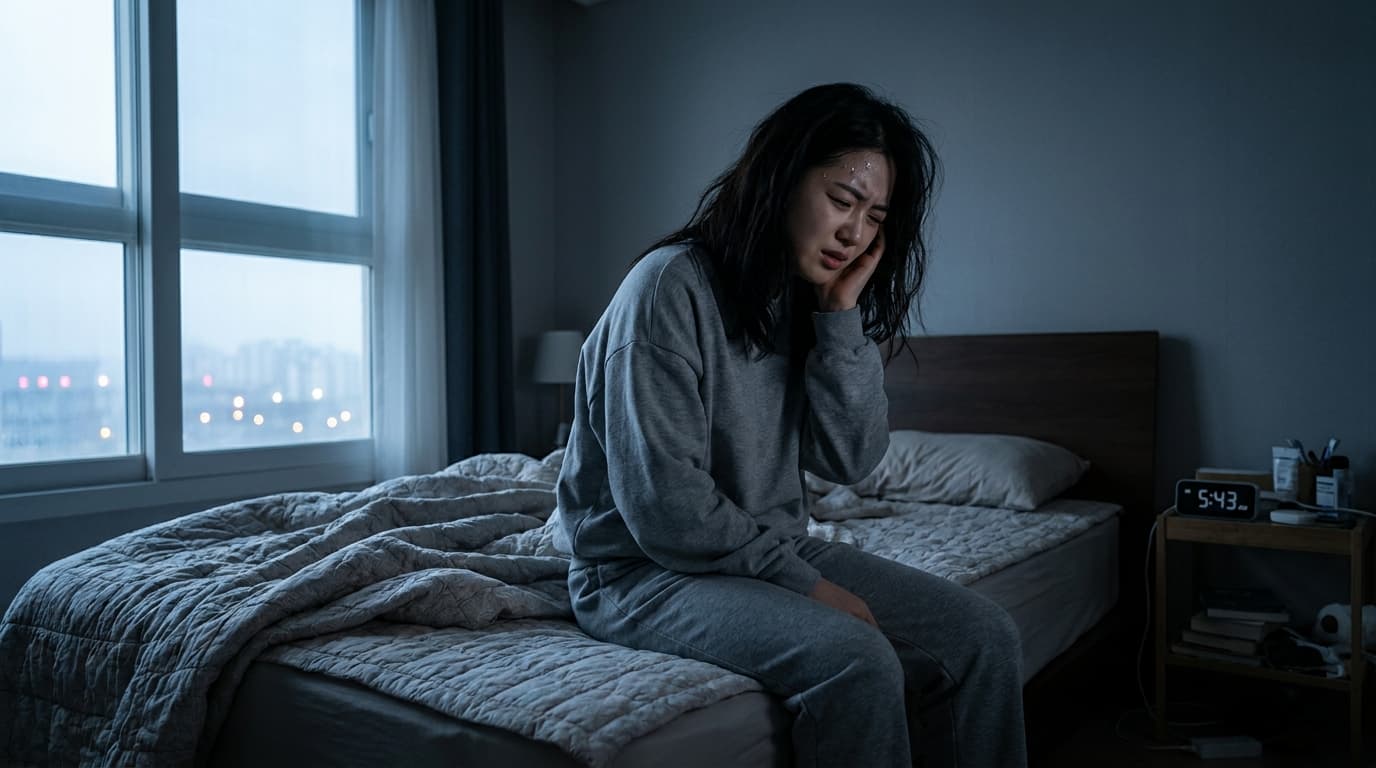
Have you ever felt your energy suddenly drain away, cold sweat running down your back, and your heart pounding? Are you worried that these symptoms repeat for no reason and might be a serious illness? Many people visit hospitals and undergo various tests only to be told "everything is normal" or given a vague answer about it just being stress. These symptoms are not simple fatigue; they may be a warning signal that your body's autonomic nervous system, which regulates balance, is malfunctioning. In particular, many people in the Incheon area are experiencing a decline in quality of life due to this autonomic dysfunction.
💡 [Key Answer] 3 most common causes of "feeling weak and cold sweats for no reason": ① Autonomic Imbalance / ② Chronic Stress and Anxiety / ③ Excessive Fatigue Accumulation Dalimchae Clinic restores the balance of mind and body by calming the overactivated sympathetic nerves and strengthening the parasympathetic nerves through autonomic stabilization treatment.
Why do weakness and cold sweats occur for no reason?
Our body has a complex system that makes the heart beat, allows breathing, and regulates body temperature without us being conscious of it. The 'autonomic nervous system' is responsible for all of this. Autonomic nerves regulate bodily functions like an accelerator (sympathetic) and a brake (parasympathetic) of a car, maintaining balance with each other. However, when this balance is broken due to various factors such as excessive stress, irregular lifestyle, and lack of sleep, unpredictable symptoms begin to appear like a broken car. Feeling weak all over or having cold sweats is a representative signal that the autonomic nervous system's regulatory ability has declined.
How does Korean medicine view and treat autonomic dysfunction?
Autonomic dysfunction often lacks a clear diagnosis in Western medicine because no specific abnormalities are found in tests. However, in Korean medicine, these symptoms are seen as an imbalance of the five organs and six viscera, a problem with the circulation of Qi and blood, and a breakdown of the harmony between mind and body (心身). In particular, autonomic dysfunction related to stress highlights the perspective of Korean medicine, which emphasizes the connection between mind and body. The imbalance of the Gut-Brain Axis is also closely related to autonomic dysfunction, often accompanied by digestive symptoms or gut health issues. Dalimchae Clinic Incheon Branch focuses on restoring the balance of the autonomic nervous system and resolving the fundamental causes according to each patient's constitution and symptoms.
How effective is herbal medicine for improving anxiety symptoms?
Patients with autonomic dysfunction often accompany psychological symptoms such as anxiety, restlessness, and depression. The effectiveness of herbal medicine for these anxiety symptoms is being confirmed through various domestic and international studies.
A systematic literature review and meta-analysis by Kim Min-jae, Park Hyun-seop, and Kwon Chan-young's research team, published in the Journal of Oriental Neuropsychiatry in 2023, analyzed 19 clinical studies on herbal treatment for patients with Generalized Anxiety Disorder (GAD) over the past 5 years. The results showed that herbal treatment was positive for GAD in all included papers, particularly showing high effectiveness in reducing Hamilton Anxiety Rating Scale (HAMA) scores and improving accompanying symptoms. The meta-analysis found no statistically significant difference in the effectiveness and reduction of Self-rating Anxiety Scale (SAS) scores between herbal and Western medical treatments for GAD. More notably, several studies showed that herbal treatment had a significantly lower incidence of side effects compared to Western medicine. This suggests that herbal medicine can be an effective and relatively safe treatment for improving anxiety disorder symptoms.
Additionally, a 2014 study published in the Journal of Acupuncture Research examined the effect of Korean medicine on stress and Heart Rate Variability (HRV) changes in traffic accident patients. The team observed HRV and the Impact of Event Scale (IES-R-K) at the start of hospitalization and after one week of treatment. The results suggested that reducing stress decreases sympathetic nervous system activity, leading to relaxation responses such as decreased heart rate and oxygen consumption, which can alleviate pain. This shows through HRV, an objective indicator, that Korean medicine can contribute to improving physical symptoms by reducing stress and regulating the balance of the autonomic nervous system.
These research data support the scientific basis of the autonomic stabilization treatment aimed for by Dalimchae Clinic. Moving beyond simple symptom suppression, awakening the body's inherent recovery power and restoring the harmonious function of the autonomic nervous system is the key to sustainable health.
Dalimchae Clinic's 'Autonomic Stabilization' Treatment Principle
To treat autonomic dysfunction characterized by full-body weakness and cold sweats, Dalimchae Clinic focuses on the principle of autonomic stabilization. When the autonomic balance is broken, our brain cannot rest and remains in a state of overload. This causes various problems throughout the body, like an overheated engine. Autonomic stabilization treatment focuses on lowering the excessive heat of the nervous system and creating an environment where the brain can rest comfortably. In Korean medicine, this is called 'Suseung-hwagang (水昇火降)', which means recovering the body's natural circulation by raising cool energy and lowering hot energy.
In this process, Dalimchae Clinic performs the following treatments:
- Personalized Herbal Prescription: By meticulously diagnosing the patient's constitution, symptom pattern, and type of autonomic imbalance, we prescribe herbal medicine that helps calm sympathetic overactivity and aids parasympathetic activation. This is effective in improving symptoms such as full-body lethargy and cold sweats by calming brain excitement and inducing mental and physical stability.
- Acupuncture and Pharmacopuncture Therapy: Acupuncture stimulation at specific points restores the regulatory function of the autonomic nervous system, reduces inflammation, and alleviates pain. Additionally, we maximize treatment effects using pharmacopuncture, which uses purified active ingredients from medicinal herbs. This contributes to stabilizing oversensitive nerves and increasing the body's recovery power.
- Lifestyle Correction and Counseling: Alongside treatment, we educate on methods to stabilize the autonomic system in daily life, such as stress management, sleep hygiene, and diet control, helping patients take care of their own bodies and minds.
Through these complex treatments, we help the fundamental recovery of the autonomic nervous system beyond simple symptom relief. In particular, many people seeking an Incheon anxiety disorder clinic are experiencing improvement in accompanying symptoms such as headaches, dizziness, and insomnia through Dalimchae Clinic's autonomic stabilization treatment.
Autonomic Dysfunction Self-Diagnosis Checklist
If you apply to 3 or more of the following items, you should suspect autonomic dysfunction and consult with a specialist.
- ✓ I often feel weak and lethargic for no reason.
- ✓ I have symptoms of sudden cold sweats or heat rising and falling in my body.
- ✓ My heart often palpitations or feels stuffy and hard to breathe.
- ✓ I experience sleep problems such as difficulty falling asleep or not feeling rested.
- ✓ I have recurring gut problems such as poor digestion, abdominal pain, diarrhea, or constipation.
- ✓ I feel chronic headaches, dizziness, or tinnitus.
- ✓ I have severe mood swings and feel anxious or restless over small things.
- ✓ My hands and feet often feel cold or numb.
- ✓ My eyes feel easily tired, dry, or blurry.
- ✓ My neck or shoulders are often stiff and painful.
Judgment Criteria:
- 3 or more items apply: Suspected stage of autonomic imbalance. Start stress management and lifestyle improvement, and consider consulting with an Incheon autonomic clinic specialist.
- 5 or more items apply: A stage where active autonomic treatment is needed. We recommend starting precise diagnosis and personalized treatment at Dalimchae Clinic Incheon Branch.
FAQ – We will solve your questions about autonomic dysfunction.
Q. How long should I be treated for autonomic dysfunction to see results? A. The treatment period varies depending on the severity of the symptoms, the duration of the condition, and lifestyle habits. Usually, you begin to feel symptom improvement after 2-3 months of steady treatment, and management is necessary even after that to prevent recurrence.
Q. Is fundamental treatment of autonomic dysfunction possible through Korean medicine? A. Yes, Korean medicine treatment focuses on finding and resolving the root cause of the autonomic nervous system imbalance. We normalize autonomic nervous system function and inhibit recurrence through customized herbal medicine, acupuncture, moxibustion, and pharmacopuncture suitable for each patient's constitution and symptoms.
Q. My tests are normal, but I'm still uncomfortable. What tests do you perform at the clinic? A. Dalimchae Clinic Incheon Branch objectively evaluates the activity and balance of the autonomic nervous system through pulse wave tests, heart rate variability (HRV) tests, and body composition analysis, in addition to medical consultation. This allows us to accurately diagnose invisible imbalances in the body and establish a personalized treatment plan.
Q. I have both autonomic dysfunction and anxiety disorder; can they be treated together? A. Yes, autonomic dysfunction and anxiety disorder are closely related and often appear together. Since Dalimchae Clinic's autonomic stabilization treatment is effective not only for physical symptoms but also for improving psychological symptoms such as anxiety and restlessness, joint treatment is possible.
Symptoms of feeling weak and having cold sweats for no reason are not problems that can be solved by just enduring. You no longer have to ignore the signals your body has been sending for a long time. If you approach in the right direction, the body responds faster than you think. Bring your symptoms exactly as they are. At Dalimchae Clinic Incheon Branch, we will find the cause together.
Where life blooms. For herbal medicine, it's Dalimchae Korean Medicine Clinic. Check your symptoms similar to mine through the AI consultation on the Dalimchae Clinic website first!
This article is health information compiled by Dalimchae medical staff based on questions frequently received in the treatment room. Medical Supervision | Brain/Autonomic Dysfunction Treatment Standards Dalimchae Clinic Incheon Branch Korean Medicine Doctor Min Jihong (Anxiety Disorder Column)