
Hello. This is Dalimchae Korean Medicine Clinic.
Feeling Like the Ground Is Collapsing or Floating, Could It Be Autonomic Dysfunction?
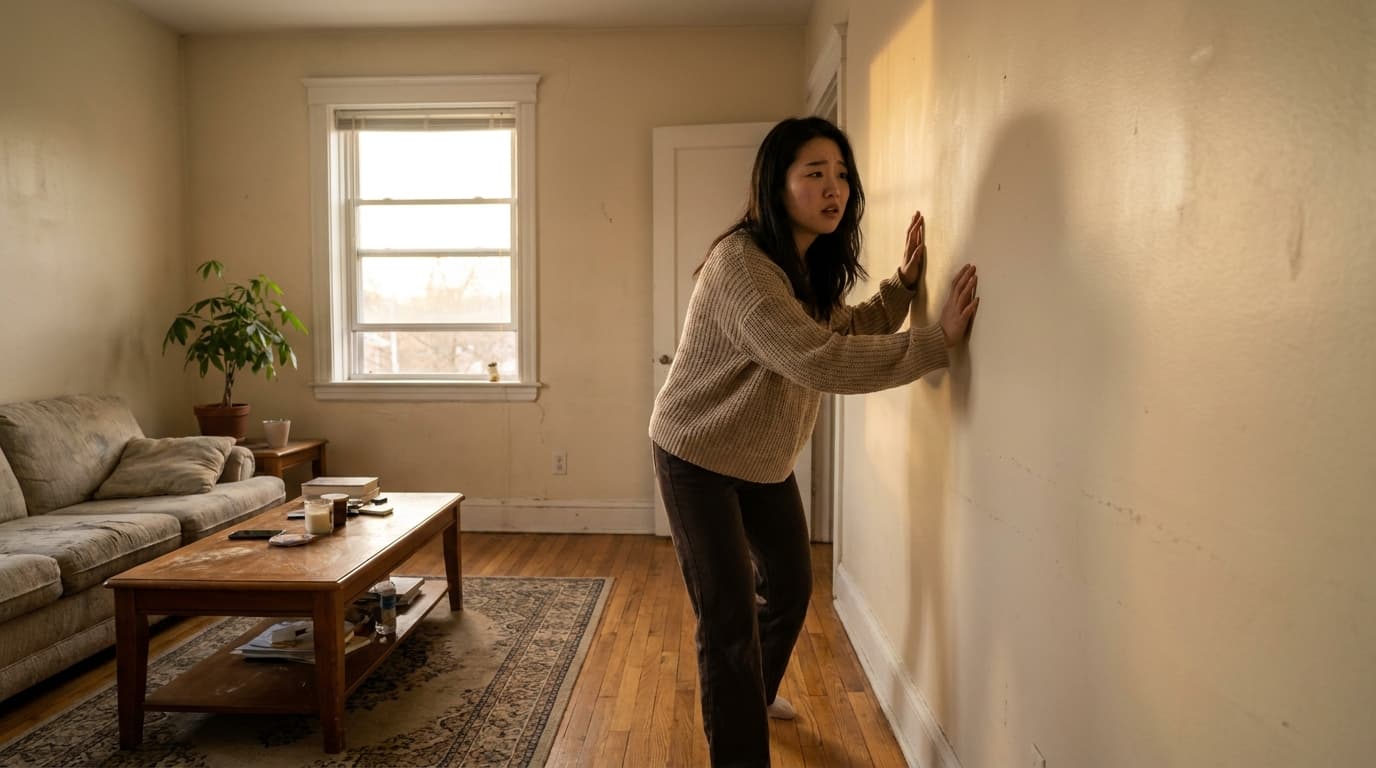
Have you ever experienced a sudden dizzy spell where the ground feels like it's giving way, or felt like your feet aren't touching the ground, making you almost lose your balance? While people around you might generalize it as being 'dizzy,' you might feel frustrated because it's different from just having a spinning head. It can feel especially hopeless when tests come back 'normal.' This unique type of dizziness can shrink your daily life, increase anxiety, and significantly lower your quality of life.
💡 [Key Answer] 3 most common causes of "feeling like the ground is collapsing or floating": ① Autonomic Imbalance: Balance-related dizziness caused by issues in regulating bodily functions like blood pressure and heart rate. ② Sensory Mismatch in the Brain: A balance disorder where proprioception from the neck, vision, and vestibular information are not properly integrated in the brain. ③ Psychological Factors: Stress, anxiety, or panic disorder causing or worsening dizzy symptoms. Dalimchae Clinic restores your healthy daily life without recurrence by calming the overloaded nervous system and recovering the body's sense of balance through autonomic stabilization.
Why does it feel like the ground is collapsing when walking?
Dizziness where the floor feels like it's giving way or your body feels like it's floating may not just be a problem with the ears. Maintaining balance involves complex interactions between the ear's equilibrium organs, visual information, and proprioception from joints and muscles. If any part of this system declines or the brain fails to integrate this information correctly, balance issues arise. A common cause for modern people is an issue with the 'autonomic nervous system.'
What is the link between autonomic dysfunction and dizziness?
The autonomic nervous system regulates essential life functions such as heart rate, blood pressure, digestion, and body temperature regulation regardless of our will. When the balance between the sympathetic and parasympathetic nerves is broken due to excessive stress, chronic fatigue, or irregular lifestyle, various symptoms appear due to subtle regulation issues. One of these is dizziness, specifically the feeling of the ground collapsing or floating while walking.
According to a study by Kim Hyun-a's team (Department of Neurology, Keimyung University School of Medicine) published in the Journal of Neurological Sciences in 2014, standardized autonomic function tests on 18 patients with chronic dizziness revealed at least one autonomic abnormality in about 80% of patients. The team identified two types: sympathetic hypofunction, including blood pressure regulation issues, or sympathetic overactivity with excessive heart rate response. This study suggests that autonomic dysfunction is common in chronic dizziness patients where the cause is hard to find despite extensive testing, and it is a possible cause of the dizziness.
This neural imbalance affects the processing of sensory information sent to the brain, creating an illusion as if the floor is unstable or the body is drifting while walking. At Dalimchae Clinic, we focus on the symptoms of patients who have been told 'nothing is wrong in tests' but are still suffering, and we concentrate on solving the root cause of dizziness by restoring autonomic balance.
How does Korean medicine help with floating dizziness when walking?
In Korean medicine, dizziness is not seen as just a single symptom but as a result of overall bodily function issues. Specifically, dizziness from autonomic dysfunction is viewed as closely related to problems in Qi and blood circulation and disharmony of organ functions.
A clinical study by Professor Ryu Ho-ryong's team at Daejeon University Daejeon Korean Medicine Hospital, published in the international journal Pharmaceuticals in 2022, scientifically proved the effect of herbal medicine on Chronic Subjective Dizziness (CSD) related to autonomic dysfunction. Through a randomized controlled clinical trial, the team confirmed that the herbal prescription 'Jaeumgeonbi-tang' improved the balance of redox and stress-related hormones in CSD patients. The group taking Jaeumgeonbi-tang showed a significant decrease in lipid peroxidation products (malondialdehyde; MDA) and an increase in antioxidant markers like total glutathione (GSH). This suggests that herbal treatment can help regulate internal stress responses and stabilize overall bodily functions in chronic dizziness patients.
These research results align with Dalimchae Clinic's treatment philosophy. Dalimchae Clinic approaches with the core principle of autonomic stabilization. When autonomic balance is broken, the brain cannot rest and remains in a constant state of overload. This is like a car engine overheating from continuous high-speed driving. Dalimchae Clinic focuses on lowering the excessive heat of the nervous system and creating an environment where the brain can rest comfortably. To this end, we correct internal imbalances through personalized herbal prescriptions and regulate autonomic nerves with acupuncture and pharmacopuncture to ensure smooth nerve transmission. This complex Korean medicine treatment calms hypersensitive reactions of the brain and nervous system, helping you escape uncomfortable dizziness like the feeling of the ground collapsing or floating.
Could my dizziness be from autonomic dysfunction? Self-Diagnosis Checklist
If 3 or more of these apply, it's highly likely to be dizziness from autonomic dysfunction, and you should seek professional consultation. If 5 or more apply, immediate visit is recommended.
- You feel like your body is floating or the ground is collapsing even when standing still.
- You feel especially dizzy and weak when standing up or standing for a long time. (Orthostatic dizziness)
- It is often accompanied by headaches, and stiffness in the neck and shoulders.
- Your heart often palpitations or feels stuffy for no particular reason.
- Digestion is poor, your stomach always feels bloated, or constipation/diarrhea repeats. (Irritable Bowel Syndrome, etc.)
- Sleep quality is poor, such as difficulty falling asleep or waking up frequently.
- You feel anxious or restless over small things and get tired easily.
- You have cold sweats even when it's not hot or cold, or your hands and feet are unusually cold.
Judgment:
- 3 or more: Suspected Autonomic Dizziness → Consider Dalimchae Clinic complex treatment.
- 5 or more: Autonomic Function Abnormality Stage → Recommended to identify the cause and start treatment through professional consultation.
FAQ
Q. How long does it take for floating dizziness to improve with treatment? A. The treatment period varies by severity, cause, and constitution, but significant improvement can usually be expected with 3 to 6 months of steady treatment. Mild cases may recover faster.
Q. Can it be treated with Korean medicine even if 'tests are normal'? A. Yes, it's possible. Even when no abnormalities are found in Western medical tests, dizziness can occur due to subtle imbalances in the autonomic nervous system or issues with how the brain processes sensory information. Korean medicine excels at diagnosing and treating these functional issues.
Q. What treatments are provided at the Incheon dizziness clinic? A. At Dalimchae Clinic Incheon Branch, we thoroughly assess individual symptoms and constitution, then stabilize autonomic nerves and improve Qi and blood circulation with personalized herbal prescriptions. We also combine various Korean medicine treatments like acupuncture, pharmacopuncture, moxibustion, and cupping to resolve the root cause and restore balance.
Q. Can dizziness and headaches be treated together? A. Yes, dizziness and headaches are representative accompanying symptoms of autonomic dysfunction and often appear together. Since Dalimchae Clinic's autonomic stabilization treatment focuses on improving the root cause of both, significant improvement can be expected for both symptoms.
Dizziness where the ground feels like it's giving way or you're floating is not a problem that can be solved just by enduring. You no longer have to ignore the signals your body has been sending for a long time. If you approach in the right direction, the body responds faster than you think. Bring your symptoms as they are. At Dalimchae Clinic, we will find the cause together.
Where life blooms. For herbal medicine, it's Dalimchae Korean Medicine Clinic. Check symptoms similar to mine through the AI consultation on the Dalimchae Clinic website first!
This article is health information compiled by Dalimchae medical staff based on questions frequently received in the treatment room. Medical Supervision | Brain/Autonomic Dysfunction Treatment Standards Dalimchae Clinic Incheon Branch Korean Medicine Doctor Min Jihong (Dizziness Column)