
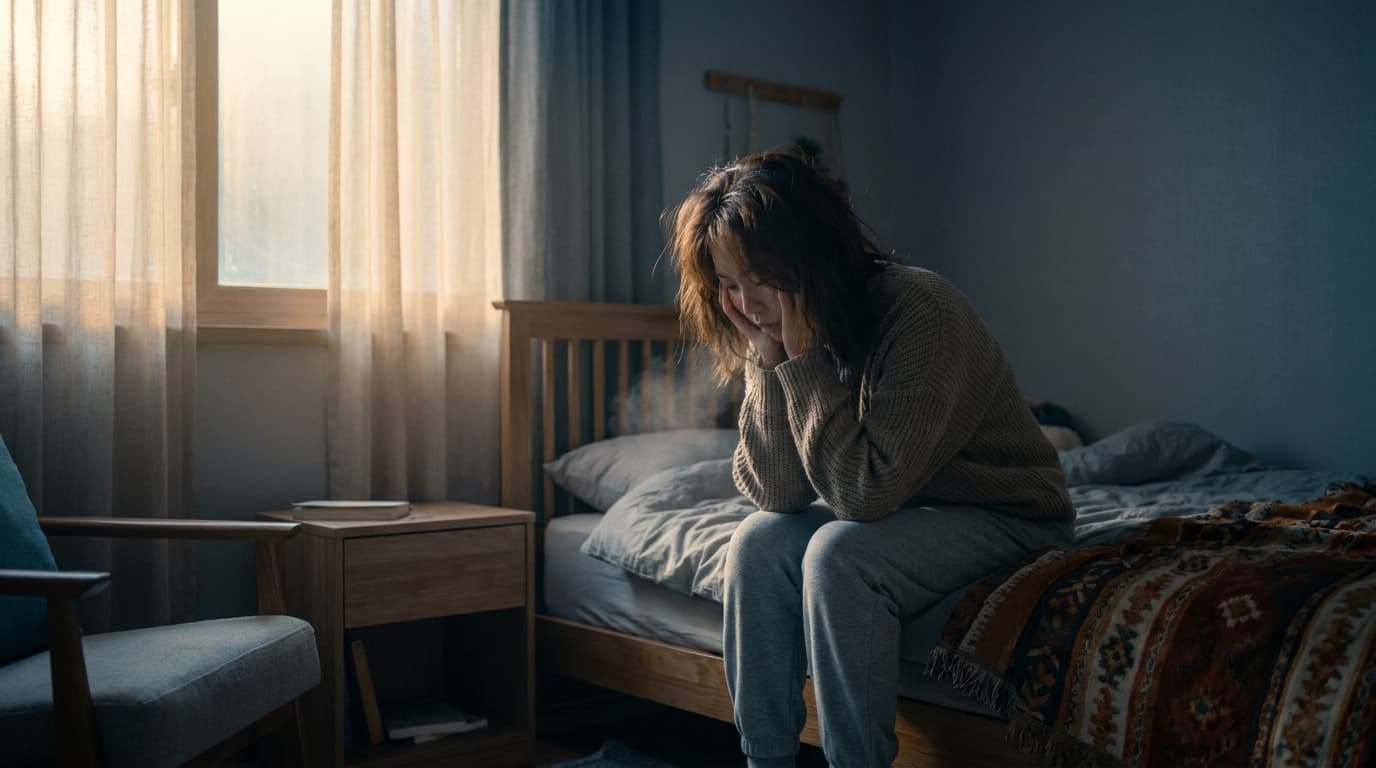
Feeling Exhausted and Low Do You Have Burnout How to Revitalize Your Body and Mind
"I feel completely exhausted and my mood is down." Many people visit Dalimchae Korean Medicine Clinic with such complaints. If you wake up unrefreshed, feel empty about things you previously enjoyed, easily get annoyed at small things, or experience emotional waves, it may be a signal from your body and mind beyond simple fatigue. Lethargy, caused by broken bodily balance like an overheated engine, often steals the vitality of life.
💡 Key Takeaways Top 3 causes of feeling exhausted and low: ① Autonomic Imbalance / ② Chronic Stress and Fatigue Accumulation / ③ Brain Neurotransmitter Malfunction Dalimchae Korean Medicine Clinic calms the overheated nervous system and helps you recover through autonomic stabilization treatment.
Why Do I Feel Exhausted and Low?
When experiencing sudden exhaustion and depressed mood, it's easy to blame yourself with thoughts like "Why am I like this?". A root cause of this lethargy, energy drop, and depression is closely related to autonomic nervous system imbalance. Autonomic nerves regulate essential life functions such as heartbeat, digestion, body temperature regulation, and sleep regardless of our will. When sympathetic and parasympathetic nerves are balanced, our body stays optimal, but ongoing stress, overwork, and irregular living break this balance.
Especially when the sympathetic nerve is over-hyperactive, the body remains in constant tension, leading to increased heart rate, indigestion, and sleep disorders, gradually depleting energy. Parasympathetic decline lowers recovery capacity, worsening chronic fatigue and lethargy. This autonomic malfunction also affects the brain's emotion regulation center, accompanied by psychological symptoms like depression, anxiety, and poor concentration.
How Does Korean Medicine Diagnose and Treat Lethargy and Depression?
When Western medical tests show no special abnormalities and yield "normal" results, but you still feel exhausted and low, Korean medicine examines overall body balance closely. Lethargy and depression are deeply connected to visceral functions such as Heart (心), Spleen (脾), and Liver (肝), as well as Qi and blood circulation. Stress stagnates Liver Qi, excessive thoughts weaken Spleen-stomach functions, and anxiety lowers Heart function, creating a vicious cycle by aggravating autonomic confusion.
Korean medicine objectively measures autonomic activity and balance via Heart Rate Variability (HRV) test, combining pulse, tongue, and abdominal diagnosis to understand individual constitution, symptom patterns, and Qi-blood flow. Rather than merely suppressing symptoms, personalized treatment corrects underlying visceral imbalance and autonomic malfunction.
Recent Research on Autonomic Treatment for Chronic Fatigue and Energy Drop
Chronic fatigue and energy drop plague many in modern society. Especially for Chronic Fatigue Syndrome (CFS) with no abnormal test results, effective treatments are scarce. Interest in Korean medicine's role is growing.
A 2024 review of clinical research on herbal medicine in Frontiers in Pharmacology analyzed TCM/herbal treatment effects on CFS patients. This meta-analysis of 71 RCTs concluded herbal treatment significantly improved CFS symptoms compared to conventional symptom treatment.
Also, a March 2024 study by Haneum Korean Neuropsychiatric Clinic research team on HRV indicators and emotional scales evaluated correlations among 144 patients, showing HRV measurement effectively evaluates emotional and physical status, and autonomic imbalance closely correlates with emotional problems.
Dalimchae’s Autonomic Stabilization Treatment Creates Rest for the Brain
"When autonomic balance breaks, the brain cannot rest." Modern lethargy and mood swings stem from constant stress and sympathetic activation preventing brain rest.
Dalimchae Korean Medicine Clinic focuses on autonomic stabilization treatment to relieve brain and autonomic overload:
- Herbal Medicine: Customized herbal prescriptions considering individual constitution, stabilizing sympathetic nerves and strengthening parasympathetic functions, helping emotional stabilization and energy recovery.
- Acupuncture / Pharmacopuncture: Stimulating specific acupoints activates autonomic regulation, reduces pain, modulates neurotransmitters, and relaxes hypersensitive nerves.
- Chuna Therapy & Relaxation Training: Relieves physical tension and teaches breathing/meditation to self-regulate autonomic functions.
Self-Checklist for Lethargy & Energy Drop
Check if 3 or more apply:
- Unrefreshed upon waking, feeling heavy all over.
- Sudden body weakness and chronic fatigue without reason.
- Loss of interest in previously enjoyed hobbies.
- Easy annoyance or severe mood swings over minor things.
- Sleep doesn't relieve fatigue, making you feel more drained.
- Decreased concentration and memory.
- Frequent indigestion, bloating, or stuffiness.
- Accompanied by headache, dizziness, or nausea.
- Frequent chest tightness, anxiety, or nervousness.
- Loss of appetite or tendency to binge eat.
Diagnosis:
- 3-4 items: Suspected autonomic imbalance - consider Korean medicine care.
- 5+ items: Active treatment needed - consult an expert.
FAQ
Q. Can lethargy resolve naturally? A. Temporary stress/fatigue lethargy can improve with rest, but if symptoms persist over 2 weeks or impair daily life, expert help is recommended. Q. How long does herbal treatment take? A. Typically 1-3 months depending on severity and constitution. Q. Are chronic fatigue and depression treated together? A. Yes, they share autonomic roots and are treated comprehensively. Q. Can burnout be treated at Korean medicine clinics? A. Yes, burnout is a mind-body exhaustion state driven by autonomic imbalance, effectively managed through autonomic stabilization treatment.
Medical Supervision | Brain & Autonomic Care Standard Dalimchae Korean Medicine Clinic Incheon Branch Korean Doctor Yang Yuchan