
Hello. This is Dalimchae Korean Medicine Clinic.
Feeling dazed and dizzy? If you can't find the cause even after testing, pay attention here.
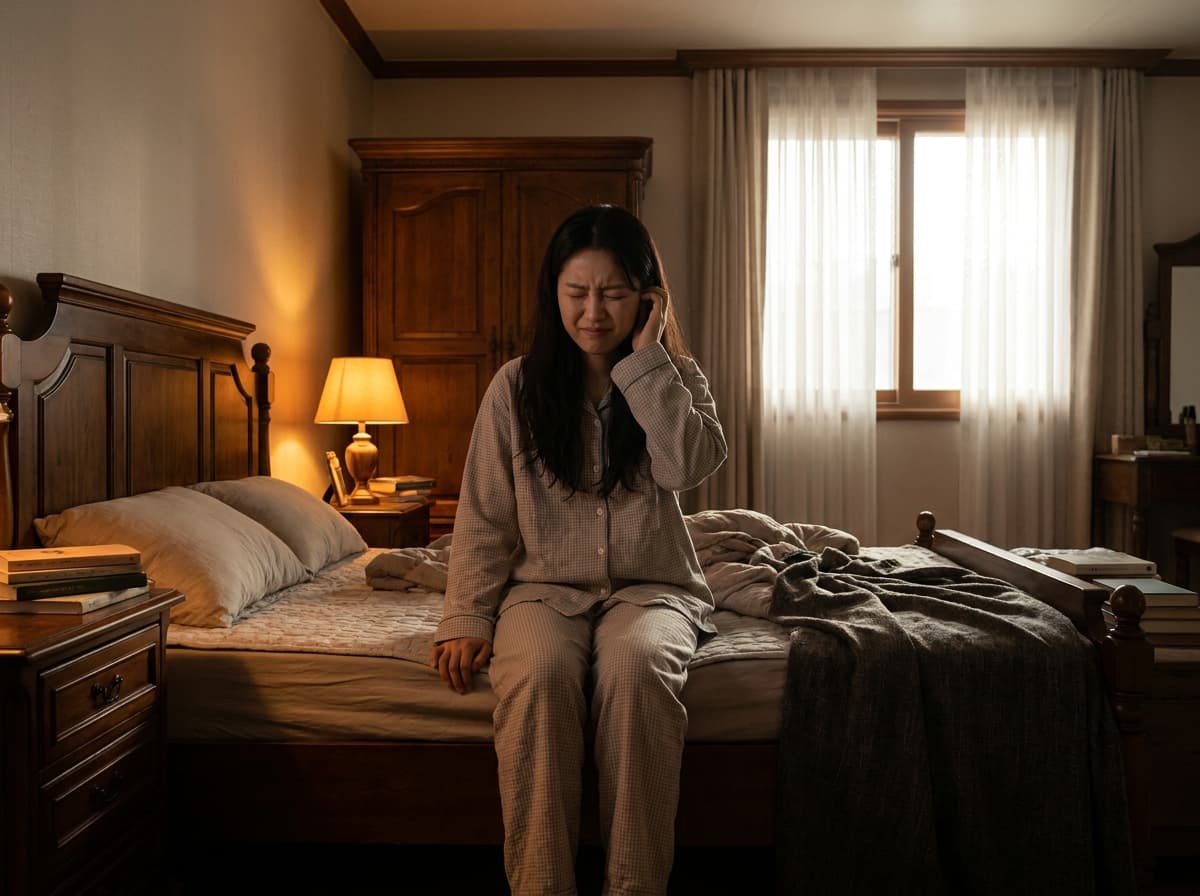
Do you feel heavy and unclear from the moment you wake up in the morning, and sometimes feel like the surroundings are spinning? Are you feeling uncomfortable in your daily life because of dizziness when you sit down and stand up? Even after various tests at the hospital, there are many people who complain of frustration after hearing that "there is nothing special" or "it's because of stress." These "unexplained" symptoms of being dazed and dizzy may not be simple fatigue or mood. It could be a signal that the balance of the autonomic nervous system, the core control system of our body, has collapsed.
💡 [Key Answer] 3 most common causes of "dazed and dizzy": ① Autonomic imbalance / ② Decreased brain circulation and brain function / ③ Chronic stress and fatigue Dalimchae Clinic restores the balance of the brain and body with autonomic stabilization treatment to return to a clear and comfortable daily life.
Why do I feel dazed and dizzy?
Symptoms that are not clear and accompanied by dizziness can occur for various reasons, but in modern Korean medicine, autonomic imbalance is considered an important cause. The autonomic nervous system is a system that regulates body functions that are automatically performed without our awareness, such as heart rate, blood pressure, digestion, and temperature regulation. When the balance between the sympathetic nerve (tension/activity) and the parasympathetic nerve (relaxation/rest) is broken due to stress, overwork, and irregular lifestyle, various physical symptoms can appear.
In particular, autonomic imbalance can make the blood flow to the brain unstable, which prevents sufficient oxygen and nutrient supply to the brain, causing a dazed and heavy feeling, decreased concentration, and dizziness. In addition, chronic stress and fatigue further disturb the autonomic nervous system, becoming the main culprit in worsening these symptoms.
What is the relationship between dizziness and autonomic nerves?
The autonomic nervous system is like an exquisite orchestra conductor of our body. When the sympathetic nerve is too hyperactive or the parasympathetic nerve does not work properly, various functions of the body cause discord, especially directly affecting the blood circulation and function of the brain. Since the brain is the organ that consumes the most energy in our body, it cannot but react sensitively even to minute blood flow changes.
In fact, the imbalance of the autonomic nervous system can be objectively confirmed through indicators such as heart rate variability (HRV). HRV is an important indicator for evaluating the balance state of the autonomic nervous system by measuring the minute time interval change between heartbeats. HRV imbalance is closely related to decreased brain function, chronic fatigue, and dazed and dizzy symptoms.
Research on the association between these dizziness and autonomic nerves is steadily progressing. A pilot study by Li's research team published in the Journal of Alternative and Complementary Medicine in 2019 reported the results of combining Korean medicine acupuncture treatment and general rehabilitation treatment for 30 patients with Postural Orthostatic Tachycardia Syndrome (POTS). As a result of the study, patients who received acupuncture treatment showed significant improvement in orthostatic symptoms (dizziness when standing up from sitting), fatigue scores, and quality of life compared to the control group. In particular, it suggested that autonomic regulation function was improved through changes in HRV and tilt table test responses. The researchers concluded that these results show that acupuncture treatment can have a positive effect on restoring the balance of the autonomic nervous system to improve dizziness and accompanying symptoms.
In addition, a study by Yu-Chi Chang's research team published in BMC Complementary and Alternative Medicine in 2015 evaluated the effectiveness and safety of acupuncture treatment for 60 dizziness and vertigo patients who visited the emergency room. As a result of the study, the Visual Analog Scale (VAS) scores of dizziness and vertigo symptoms significantly decreased 30 minutes and 7 days after acupuncture treatment (p<0.001 and p=0.037), and in particular, a significant increase in the high-frequency (HF) area of HRV was confirmed in the acupuncture group. This suggests that acupuncture treatment is effective in immediate dizziness relief and can contribute to the balance of the autonomic nervous system, especially the increase in parasympathetic activity. These studies support that the imbalance of the autonomic nervous system can be the key cause of dazed and dizzy symptoms, and that Korean medicine treatment can effectively improve it.
Based on this data, Dalimchae Clinic Incheon Branch considers the fundamental cause of dizziness as an imbalance of the autonomic nervous system, and focuses on creating an environment where the brain and body can recover themselves by regaining the balance of the disturbed autonomic nerves.
Why do I continue to feel dizzy even though the tests are normal?
Many patients visit the hospital because they are dazed and dizzy, but there are many cases where they are diagnosed with no special abnormality in various tests such as MRI or blood tests. This means that functional imbalances that are difficult to identify with modern medical tests may be the cause.
In Korean medicine, this "unexplained" dizziness is interpreted as a state where the harmony of our body is broken. It is seen that the deterioration of brain and organ functions, qi and blood circulation disorders due to stress, and accumulation of bodily waste (phlegm, blood stasis) act complexly to induce symptoms. In particular, if brain function is overloaded or the regulatory function of the autonomic nervous system is weakened, the balance of blood flow and neurotransmitters to the brain is broken, and the brain cannot rest and continues to send signals like an "overheated engine." This leads to a chronic dizziness accompanied by symptoms such as heavy and unclear head, tinnitus, headache, insomnia, and anxiety.
How can dizziness be improved with Korean medicine treatment?
Dalimchae's autonomic stabilization treatment focuses on fundamentally resolving the pain of patients complaining of "I'm dazed and dizzy." This is not simply suppressing symptoms, but a treatment that helps the brain and body regain health by correcting the imbalance of the autonomic nervous system, the root of the symptoms.
If the balance of autonomic nerves is broken, the brain cannot rest. Excessively hyperactive sympathetic nerves keep the brain awake, which causes chronic tension and fatigue, worsening dizziness. Dalimchae Clinic uses herbal medicine with mixed medicinal herbs according to individual constitution and symptoms to lower the heat of the overheated nervous system and create an environment where the brain can rest comfortably. In Korean medicine, this is called Suseunghwagang (水昇火降), and it aims to restore the ideal state of the body, where the head is cool and the lower abdomen is warm.
Acupuncture treatment also helps to regulate the activity of the autonomic nervous system and improve brain blood flow by stimulating specific acupuncture points. This stabilizes unstable blood pressure and heart rate, and helps dizziness relief and clear the head by supplying sufficient oxygen and nutrients to the brain. If necessary, it maximizes the body's recovery through complex treatments such as pharmacopuncture, moxibustion, and cupping, and prevents recurrence by increasing resistance to stress and fatigue. In this way, Dalimchae's autonomic stabilization treatment can be expected to have an effect of integrating and improving various associated symptoms such as headache, tinnitus, insomnia, and anxiety disorders, as well as dizziness, by regaining the body's balance.
[Dizziness Self-Checklist]
Check how many of the following items apply to you.
- I feel dizzy when I stand up from sitting or suddenly change my posture.
- My head is always heavy and dazed, and my concentration is dropped.
- I often feel heart palpitations or stuffiness without a special cause.
- The quality of sleep is not good, such as difficulty falling asleep or waking up frequently.
- Digestion is not good, or I often suffer from nervous gastrointestinal disorders.
- Chronic fatigue is severe, and it's not refreshing even after resting.
- I react sensitively to small things or feel anxious frequently.
- The back of the neck and shoulders are always stiff and tight.
- I am experiencing tinnitus such as beeping, cicada sounds, or water flowing sounds.
[Self-Diagnosis Result]
- 3 or fewer: It may be a temporary decrease in condition, but lifestyle improvement is needed to prevent it from becoming chronic.
- 4-6: Dizziness due to autonomic imbalance is highly likely. Consider consulting at Dalimchae Clinic, an Incheon dizziness clinic, to identify the cause and consider treatment.
- 7 or more: The function of the autonomic nervous system may have already decreased significantly. It is recommended to visit Dalimchae Clinic Incheon Branch immediately for precise diagnosis and treatment and receive a detailed examination.
Q. Can dazed and dizzy symptoms heal naturally? A. Mild symptoms due to temporary fatigue or stress can be improved naturally through sufficient rest and stress management. However, if symptoms are repeated or become chronic, there is a high possibility that the imbalance of the autonomic nervous system has deepened, so it is important to seek help from a professional.
Q. How long does Korean medicine treatment for dizziness take? A. The treatment period varies depending on the degree of individual symptoms, constitution, cause, and lifestyle. Usually, symptoms improve significantly through 2-3 months of treatment, but in chronic cases, a longer treatment period may be required. It is important to prevent recurrence through steady treatment and management.
Q. Can dizziness due to autonomic problems be confirmed by Western medical tests? A. Autonomic imbalance often does not appear as a special abnormality in general MRI or blood tests. The activity of the autonomic nervous system can be indirectly identified through some functional tests such as heart rate variability (HRV) tests, but in Korean medicine, the treatment direction is set by comprehensively diagnosing the patient's overall symptoms and constitution.
Q. Are headache and tinnitus accompanied by dizziness treated together? A. Yes, autonomic imbalance can induce various symptoms such as headache, tinnitus, insomnia, and indigestion at the same time as dizziness. Since Dalimchae Clinic treats the fundamental cause of these symptoms through autonomic stabilization treatment, accompanying symptoms can also be improved integratively.
The symptom of being dazed and dizzy is not a problem that can be solved by enduring. You no longer have to ignore the body's signal that has been sent for a long time. If you approach in the right direction, the body responds faster than you think. Bring your symptoms as they are. Incheon autonomic clinic, Dalimchae Clinic, will find the cause together.
Where life blooms. For herbal medicine, it's Dalimchae Korean Medicine Clinic. Check your symptoms similar to mine through the AI consultation on the Dalimchae Clinic website first!
This article is health information compiled by Dalimchae medical staff based on questions frequently received in the treatment room. Medical Supervision | Brain/Autonomic Treatment Standards Dalimchae Clinic Incheon Branch Korean Medicine Doctor Yang Yuchan (Dizziness Column)