
Hello. This is Dalimchae Korean Medicine Clinic.
Feeling constantly exhausted: Understanding the differences between Oriental and Western medical treatments for autonomic imbalance
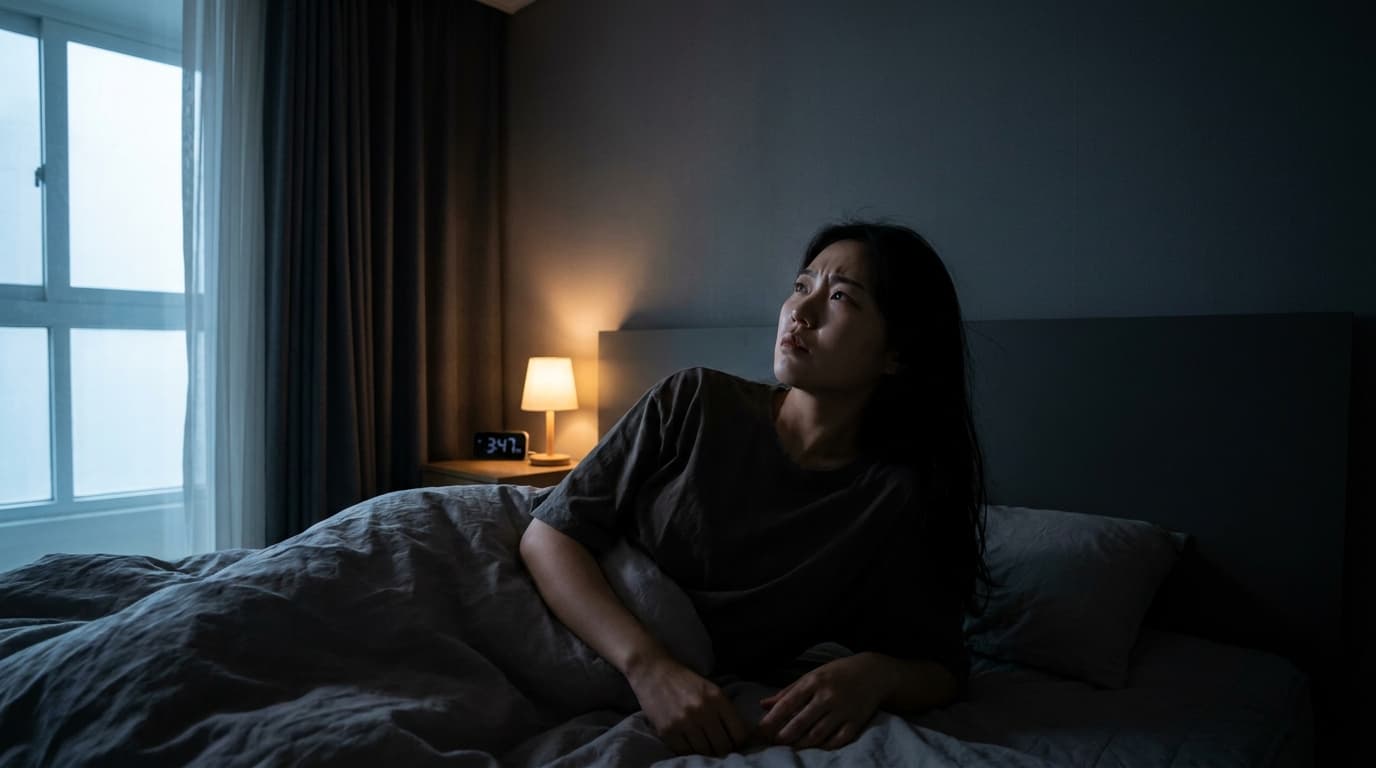
If you feel exhausted even after waking up and lack energy despite doing nothing special, when your chest feels stuffy and digestion is poor, yet medical tests show no abnormalities, you might feel increasingly anxious and frustrated wondering if you are the only one experiencing this. Many people visit Dalimchae Korean Medicine Clinic Incheon Branch suspecting 'autonomic imbalance'. For those suffering because their body and mind are not obeying their will, we would like to clearly explain the approaches and differences between Oriental and Western medical treatments for autonomic imbalance.
💡 Key Answer Top 3 most common causes of autonomic imbalance causing "feeling constantly exhausted": ① Persistent stress and overwork: Excessively activates sympathetic nerves and disrupts balance. ② Irregular lifestyle habits: Sleep deprivation, unbalanced diet, etc., decrease autonomic nervous system regulation ability. ③ Psychological instability: Chronic anxiety, depression, etc., adversely affect the interaction between the brain and autonomic nerves. Dalimchae Korean Medicine Clinic relies on the principle of autonomic stabilization to restore the balance of broken autonomic nerves and foster the body's self-recovery power.
Why does autonomic imbalance exhaust our body and mind?
Our body has an amazing system that makes the heart beat, breathes, digests, and regulates body temperature without conscious effort: the 'autonomic nervous system'. The autonomic nervous system maintains homeostasis like a seesaw, divided into the 'sympathetic nervous system' responsible for activity and tension, and the 'parasympathetic nervous system' responsible for rest and recovery. However, modern chronic diseases such as stress, overwork, sleep deprivation, and irregular lifestyle habits break this delicate balance and induce 'autonomic imbalance'. When balance breaks, warning lights turn on across our body, causing various and unpredictable symptoms like chronic fatigue, headaches, dizziness, indigestion, heart palpitations, anxiety, and insomnia to torment patients.
How does Western medicine approach autonomic imbalance?
Western medicine often uses heart rate variability (HRV) tests and other methods to diagnose autonomic imbalance, and focuses medication treatment on individual appearing symptoms. For example, blood circulation improvers for dizziness, sleeping pills for insomnia, and anti-anxiety or antidepressant drugs for anxiety. While these medications can help alleviate symptoms in a short time, they tend to focus on symptom control rather than solving the fundamental cause of autonomic imbalance. Furthermore, possibilities of drug dependency or side effects exist, requiring a cautious approach from a long-term perspective. Recently, neuromodulatory devices or injections like SNEPI targeting specific autonomic functions have been researched and applied, but many approaches remain experimental or unstandardized.
How does Korean medicine view and treat autonomic imbalance?
Korean medicine views autonomic imbalance not merely as a nervous system problem, but as a state where systemic qi and blood circulation and the functional harmony of the five viscera and six entrails are broken. In other words, it focuses on restoring overall body balance by finding the root cause why the brain and autonomic nerves fail to communicate healthily.
Core of Oriental Medicine Treatment: Restoring Autonomic Balance
Dalimchae Korean Medicine Clinic's treatment for autonomic imbalance is not just suppressing symptoms, but helping the brain and body maintain a healthy state by recovering broken autonomic nerve balance. To achieve this, complex Oriental medical treatments such as herbal medicine, acupuncture, moxibustion, and pharmacopuncture are applied tailored to individual constitutions and symptoms. Particularly at our Dalimchae Korean Medicine Clinic Incheon Branch, we focus on calming sympathetic nerve excitation overheated by stress and overwork, activating lowered parasympathetic nerve functions, and recovering autonomic balance. Lowering nervous system heat and creating an environment where the brain can rest—in Korean medicine, this is called Su Seung Hwa Gang—is the core goal of autonomic stabilization treatment.
Latest Research Results on Acupuncture's Autonomic Regulation Effect
In a meta-analysis study published by Ma et al. in 'Frontiers in Neuroscience' in 2026, analyzing 10 randomized controlled trials (RCTs) involving 744 patients, the clinical effects and safety of acupuncture on autonomic function regulation were evaluated. The results showed that acupuncture significantly improved SDNN (standard deviation of normal-to-normal intervals), a key indicator of Heart Rate Variability (HRV) (MD 13.59, 95% CI: 4.19 to 22.98, p=0.0091). This suggests that acupuncture positively affects autonomic function, especially enhancing parasympathetic activity for relaxation and recovery. Researchers concluded that acupuncture provides modest yet distinct improvement in autonomic function with an excellent safety profile. Based on these data, Dalimchae Korean Medicine Clinic focuses on calming overactivated sympathetic nerves and reinforcing parasympathetic functions through acupuncture to recover autonomic balance.
Systemic Function Recovery and Autonomic Stabilization through Herbal Medicine
Herbal medicine plays an important role in improving complex symptoms of autonomic imbalance and boosting overall systemic condition. According to a 2023 national clinical practice survey by Park et al., herbal medicine (70%) and acupuncture (26%) were mainly used to treat autonomic imbalance patients, with Soyosan, Gwibitang, and Ondamtang series frequently prescribed. Related research by Lee et al. reported that sedative, mind-calming, and Soyosan series herbal medicines showed significant effects in physical, depressive, and anxiety symptom improvement, treatment efficacy rate, and stability compared to Western medicine monotherapy groups. Based on these clinical evidences, Dalimchae Korean Medicine Clinic Incheon Branch prescribes customized herbal medicine tailored to each patient's constitution and symptom type. We help the body and mind relax by recovering organ functions damaged by chronic stress, improving stagnant qi and blood circulation, and alleviating anxiety and insomnia.
Why Oriental Medicine Treatment is Needed for Autonomic Imbalance
Autonomic imbalance is easily dismissed as 'neurosis' because tests reveal no special abnormalities. However, the suffering experienced by patients is by no means light. While Western medicine focuses on individual symptoms, Oriental medicine focuses on recovering autonomic balance itself and restoring systemic harmony. Especially many visitors to Incheon autonomic clinics complain of psychological discomforts like anxiety, agitation, and insomnia alongside physical symptoms like headaches and dizziness. Korean medicine views these mind-body problems integrally, relieving brain and nervous system overload to create a self-healing body.
Autonomic Imbalance Self-Diagnosis Checklist: Do I Have It Too?
If 3 or more items apply, suspect autonomic imbalance and consider professional consultation. If 5 or more apply, immediate professional medical care is recommended.
- ◻ Hard to fall asleep at night, wake up frequently, and feel unrefreshed upon waking.
- ◻ Chest feels stuffy or palpitates without special reason, making breathing hard at times.
- ◻ Indigestion, frequent bloating, stuffy or uncomfortable stomach.
- ◻ Feeling chronically tired and experiencing lethargy unrecovered by rest.
- ◻ Frequent headaches or dizziness, frequent neck or shoulder stiffness.
- ◻ Cold hands and feet, excessive sweating, poor body temperature regulation.
- ◻ Becoming sensitive, easily anxious or agitated over minor things.
- ◻ Dry mouth or foreign body sensation in throat, frequent nausea.
- ◻ Alternating constipation and diarrhea, irregular bowel activity.
- ◻ Decreased concentration and worsening forgetfulness.
Judgment:
- 3 or more items: Initial autonomic imbalance suspicion stage. Consider lifestyle improvements alongside Oriental complex treatments.
- 5 or more items: High likelihood of autonomic imbalance progression. We recommend precise diagnosis at Dalimchae Korean Medicine Clinic Incheon Branch, an Incheon autonomic clinic.
FAQ: Frequently Asked Questions about Autonomic Imbalance
Q. How long does autonomic imbalance treatment take? A. Treatment duration varies depending on symptom severity, cause, constitution, and lifestyle habits, but typically requires 3 to 6 months or more of steady treatment and management. Early treatment yields faster recovery and helps restore a healthy daily life beyond symptom management.
Q. Can autonomic imbalance be treated with Oriental medicine? A. Yes, Korean medicine views autonomic imbalance not as a simple nervous system problem but as systemic imbalance, treating root causes through various methods like acupuncture, moxibustion, herbal medicine, and pharmacopuncture. Clinical studies prove Oriental medicine's effectiveness, showing strengths especially in psychological stabilization and physical function recovery.
Q. Can insomnia and headaches associated with autonomic imbalance be treated together? A. Yes, autonomic imbalance often accompanies insomnia, headaches, dizziness, and indigestion. Korean medicine views all these symptoms as stemming from a single root of autonomic imbalance and treats them integrally, achieving simultaneous improvement across multiple symptoms.
Q. Can herbal medicine and Western medicine be taken together? A. If taking Western medications, you must inform medical staff in advance. Dalimchae Korean Medicine Clinic medical staff establish safe and effective herbal prescription and treatment plans by comprehensively considering Western drug types and patient health conditions.
If you have suffered because you lacked energy and your body and mind did not obey your will, autonomic imbalance is not a problem solved by enduring. You no longer need to ignore the body's signals sent for a long time. Approaching in the right direction makes the body react faster than expected. Bring your current symptoms as they are. Dalimchae Korean Medicine Clinic Incheon Branch will find the cause together.
Where life blooms. For herbal medicine, it's Dalimchae Korean Medicine Clinic. Check symptoms similar to mine through AI consultation on the Dalimchae Clinic website first!
This article is health info compiled by Dalimchae medical staff based on frequent treatment room questions. Medical Supervision | Brain & Autonomic Nervous System Treatment Standards Dalimchae Korean Medicine Clinic Incheon Branch Korean Medicine Doctor Min Jihong (Autonomic Imbalance Column)