
Hello. This is Dalimchae Korean Medicine Clinic.
Why do my hands and feet sweat so much? Reasons for sweating even in winter and Korean medicine solutions
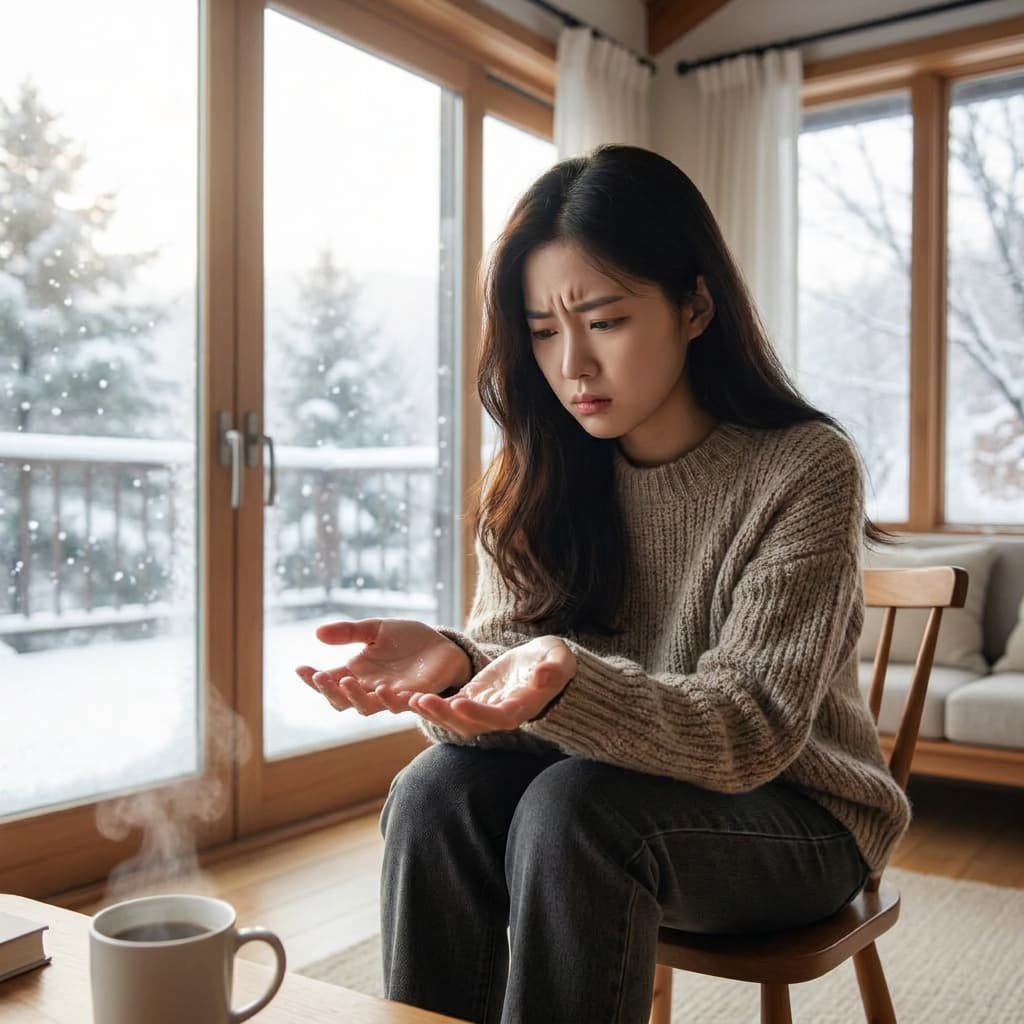
Many people suffer from excessive sweating in their hands and feet. Especially when they are wet even in winter, it causes great discomfort in daily life. This condition, where sweating occurs regardless of the season, is called 'hyperhidrosis'. While many think of it as a constitutional issue, it is often a signal of an imbalance in the autonomic nervous system.
💡 [Key Answer] 3 most common causes of "sweaty hands and feet": ① Autonomic nervous system imbalance / ② Psychological tension and stress / ③ Thermoregulation dysfunction Dalimchae Korean Medicine Clinic adjusts the activity of overactive sweat glands and restores systemic balance through autonomic nervous system stabilization therapy.
Why do hands and feet sweat even in winter?
Hyperhidrosis is divided into primary and secondary types. Most cases of sweaty hands and feet are primary, closely related to the overactivation of the sympathetic nervous system, which controls sweating. When the balance of the autonomic nervous system is broken, the sympathetic nervous system becomes hyperactive, causing excessive sweating.
In Korean medicine, this is seen as 'Hanchul' (汗出), caused by internal imbalances, particularly in the Heart and Spleen, or stagnation due to stress. When Qi and Blood circulation is poor or psychological instability occurs, the autonomic balance is disrupted, leading to thermoregulation issues and excessive sweating.
Is hyperhidrosis just about sweat? A signal of autonomic dysfunction?
Excessive sweating increases energy consumption, causes emotional anxiety, and can further deepen autonomic imbalance. The autonomic nervous system regulates essential functions like heart rate, digestion, and temperature. Imbalance can lead to insomnia, anxiety, indigestion, headaches, and dizziness.
How does Korean medicine treat hyperhidrosis?
Korean medicine aims to restore the function of internal organs and the autonomic nervous system. For emotional hyperhidrosis, it addresses 'Heart Heat' or 'Liver Qi Stagnation'.
A 2023 study in the Journal of Pharmacopuncture reported that combined acupuncture and herbal treatment for 40 patients significantly reduced sweat volume and stabilized autonomic balance (p<0.01). Another 2022 study in the Journal of Korean Medicine confirmed a 48.6% improvement in the Hyperhidrosis Disease Severity Scale (HDSS) after 8 weeks of treatment (p<0.001).
Dalimchae's stabilization therapy helps the body regain the power to regulate sweat itself by correcting the root cause: autonomic nervous system imbalance.
Medical Supervision | Dalimchae Korean Medicine Clinic Incheon Branch, KMD Min Jihong