
Hello, this is Dalimchae Korean Medicine Clinic.
Does the Ceiling Feel Like It Is Spinning Is It Due to Autonomic Nervous System
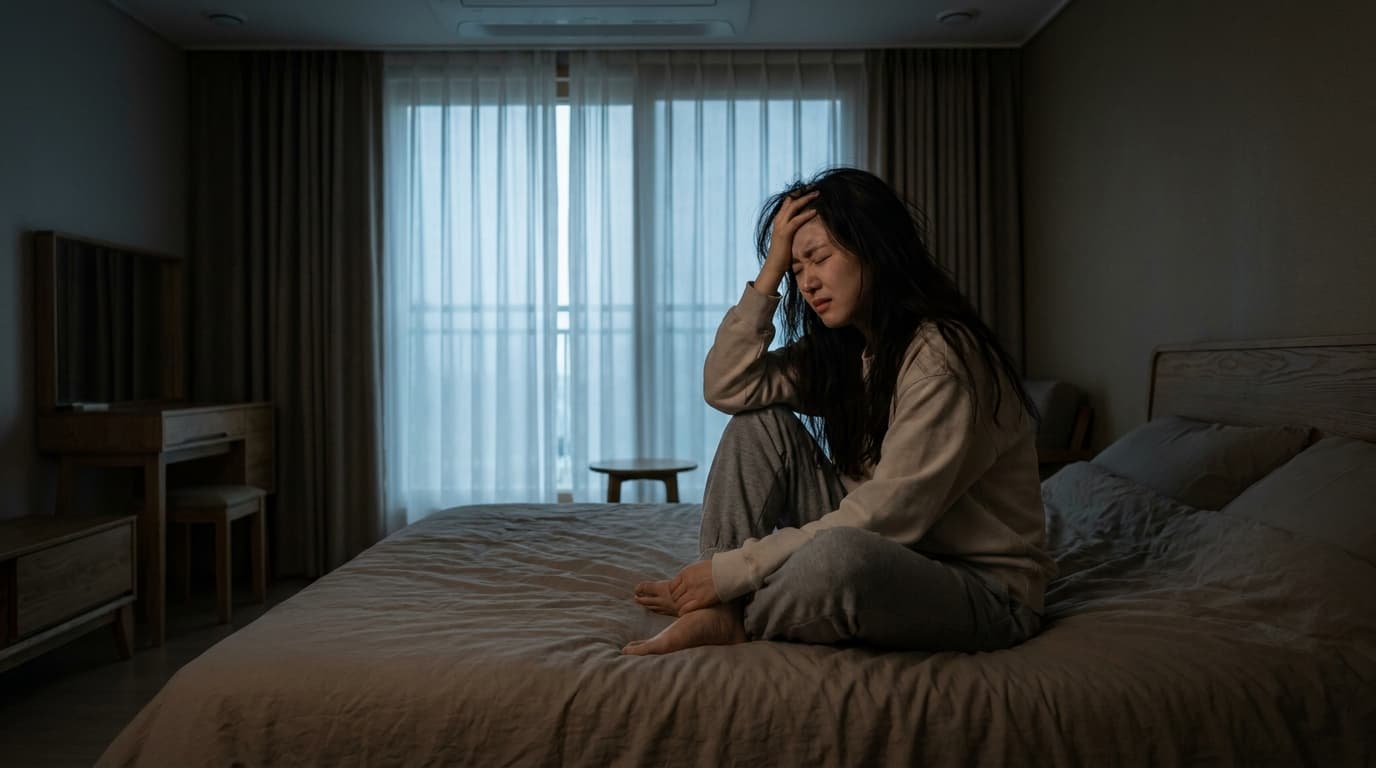
Have you ever experienced a sudden, dizzy sensation where the world seems to spin and the ceiling feels like it is rotating? You might feel unsteady while walking or experience dark vision and cold sweats when getting up from a sitting position. Extreme dizziness like this significantly impairs quality of life and brings anxiety that it might lead to unexpected falls or accidents. Many people visit hospitals only to hear that "there is nothing specifically wrong," leaving them feeling helpless. Such dizziness is often caused not merely by ear or brain problems, but by an imbalance in the autonomic nervous system that regulates our body's balance.
💡 [Key Answer] Top 3 most common causes of dizziness like "the ceiling feels like it is spinning": ① Autonomic Imbalance: Excessive sympathetic hyperactivity due to stress and overwork leads to poor blood circulation and reduced brain function. ② Qi/Blood Deficiency and Body Waste (Dam-eum): Chronic fatigue and digestive issues cause a lack of bodily energy and waste accumulation hindering circulation. ③ Cervical Spine Issues: Neck muscle tension and blood vessel compression affect blood flow supply to the brain. Dalimchae Korean Medicine Clinic improves the root cause of dizziness through autonomic stabilization.
Why Does Spinning Dizziness Keep Repeating?
Dizziness occurs due to various causes, and its aspects are also very complex. It often appears as a combination of systemic factors such as autonomic imbalance, circulatory disturbances, chronic fatigue, and stress, as well as problems in the vestibular organs of the ear or the brain responsible for balance. In particular, modern dizziness is increasingly caused by the weakening of the autonomic nervous system's regulatory ability due to excessive stress and irregular lifestyle habits.
The autonomic nervous system regulates all unconscious functions of our body, performing essential roles for maintaining life such as heartbeat, blood pressure, digestion, temperature regulation, and sleep. When the balance of the autonomic nervous system collapses due to stress or overwork, the sympathetic nervous system becomes excessively hyperactive, causing blood vessels to contract and blood flow supply to the brain to become smooth. This situation prevents the brain from receiving sufficient oxygen and nutrients, becoming a major cause of inducing or worsening dizziness.
Why Does Dizziness Persist Even When Test Results Show No Abnormalities?
Many dizziness patients undergo various tests at otolaryngology or neurology departments and receive diagnoses that there is nothing particularly wrong. However, if dizziness such as "the ceiling feels like it is spinning" persists despite not finding a clear cause, this can be a subtle functional imbalance in our body, especially an abnormal signal from the autonomic nervous system.
According to a study published on PubMed in 2014, "Autonomic dysfunction in chronic persistent dizziness," standardized autonomic function tests conducted on 18 patients with unexplained chronic persistent dizziness revealed that about 80% of patients had at least one autonomic dysfunction. The researchers concluded that these results suggest considering reduced or overactive sympathetic function as one of the causes of chronic persistent dizziness. This shows that dizziness can be a functional problem beyond physical abnormalities and that symptoms can be improved through autonomic nervous system regulation.
Furthermore, a 2022 PubMed study, "Chinese Herbal Medicine for Cervicogenic Dizziness: A Systematic Review and Meta-Analysis," analyzed 35 randomized controlled clinical trials involving 3,862 patients with cervicogenic dizziness. The results showed that herbal medicine treatment, alone or combined with acupuncture or manual therapy, was effective in improving cervicogenic dizziness, showing the most reliable effect especially when combined. These scientific findings align with why Dalimchae Korean Medicine Clinic values autonomic balance and systemic approaches in diagnosing and treating dizziness.
Break the Cycle of Dizziness with Dalimchae's 'Autonomic Stabilization' Treatment
Dalimchae Korean Medicine Clinic Incheon Branch focuses on autonomic stabilization treatment to resolve the root cause of dizziness. When autonomic balance collapses, the brain cannot rest and constantly maintains a tense state. This state increases brain fatigue, hinders blood circulation, and lowers the sense of balance, causing persistent dizziness. In Korean medicine, this is viewed as an imbalance of 'Water Up, Fire Down' (水升火降), where heat gathers in the head and the lower body becomes cold.
We lower the overheated heat of the nervous system and create an environment where the brain can comfortably rest, restoring autonomic balance. Herbal medicine helps qi and blood circulation in the body and removes unnecessary waste (dam-eum) to supply sufficient oxygen and nutrients to the brain. Acupuncture stimulates important acupoints for autonomic regulation to calm nervous system excitement, and pharmacopuncture helps reduce inflammation and promote regeneration of damaged nerve functions.
Dizziness and Autonomic Imbalance Checklist
Check how many items apply to you:
- Sudden darkness or dazzling feeling when getting up quickly.
- Rotational dizziness where surroundings seem to spin.
- Heavy and unclear head with reduced concentration or memory.
- Frequent heart palpitations, stuffy chest, or difficulty breathing.
- Difficulty falling asleep at night, frequent waking, or unrefreshed sleep.
- Indigestion, bloating, and nauseous feeling like wanting to vomit.
- Frequent neck or shoulder stiffness and pain, accompanied by headaches.
- Frequent anxiety or nervousness without a special reason.
- Very sensitive to stress and easily agitated by small stimuli.
[Criteria]
- 3+ items: Suspect dizziness due to autonomic imbalance. Considering Dalimchae's complex Korean medicine treatment is recommended.
- 5+ items: High possibility of significantly reduced autonomic nervous system function. Active treatment is necessary, so immediate visit is recommended.
FAQ: Frequently Asked Questions About Dizziness
Q. How long should dizziness be treated to recover? A. The duration varies depending on the severity of symptoms, cause, and constitution, but usually requires consistent treatment for several weeks to months.
Q. Can ear problems like BPPV or Meniere's disease be treated with Korean medicine? A. Yes, dizziness caused by ear problems can also benefit from Korean medicine treatment to relieve symptoms and prevent recurrence.
Q. Can dizziness resolve naturally? A. Mild dizziness can improve with sufficient rest and stress management, but severe or chronic dizziness like "spinning ceiling" tends to worsen or recur if left untreated.
Q. Can dizziness, headaches, and insomnia be treated together? A. Yes, dizziness, headaches, and insomnia are closely related as they often stem from autonomic imbalance. Dalimchae aims for simultaneous improvement through integrative treatment restoring overall autonomic balance.
Where life blooms. Herbal medicine is Dalimchae Korean Medicine Clinic. Medical Supervision | Department of Brain & Autonomic Nervous System Standards, Incheon Branch, Korean Medicine Doctor Min Jihong (Dizziness Column)