
Hello. This is Dalimchae Clinic.
Dizziness and Vertigo: When Both ENT and Korean Medicine Clinics are Confusing
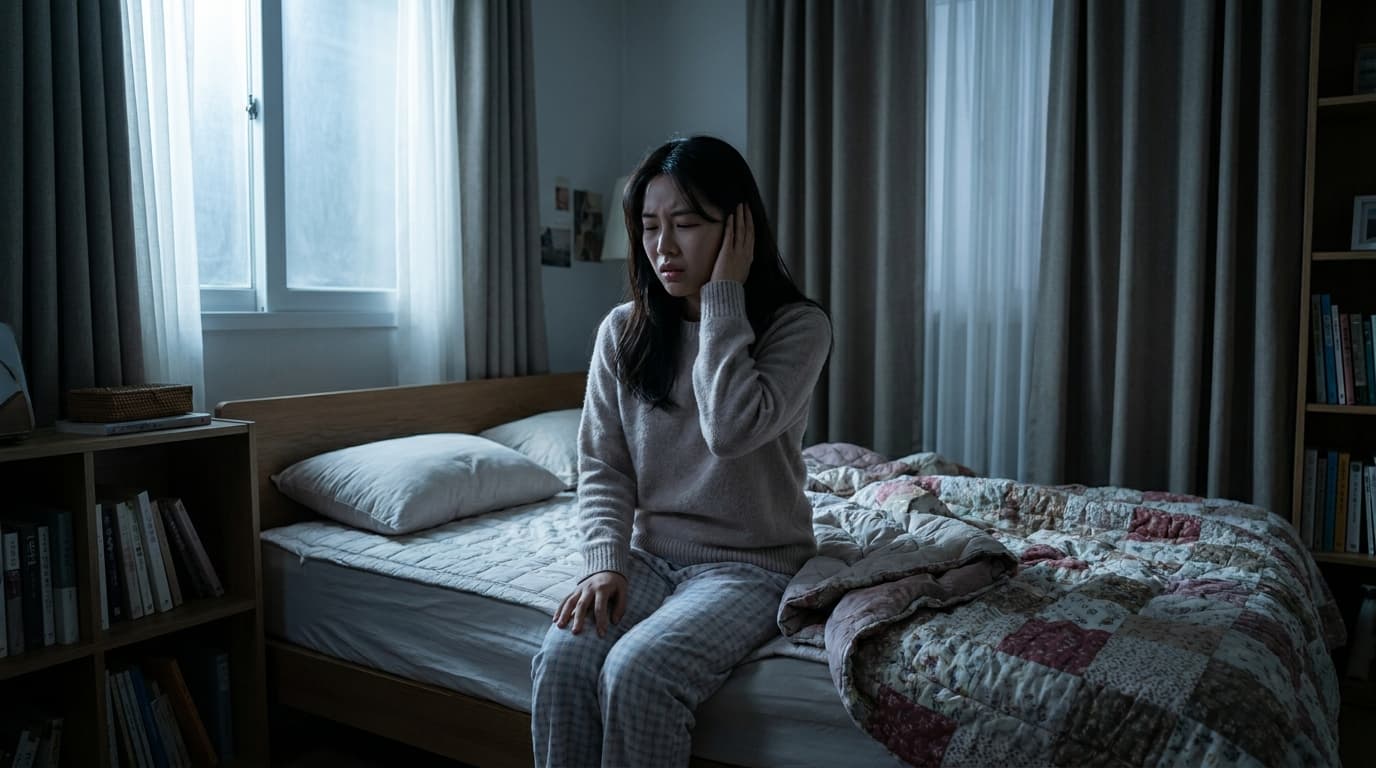
Have you ever felt suddenly dizzy or felt like the ground was sinking? Dizziness that strikes unexpectedly can significantly lower your quality of life and cause anxiety. Many people complain that they feel dizzy even though ENT exams show no abnormalities. In such cases, Dalimchae Clinic resolves the root cause by restoring the balance of the brain and autonomic nervous system.
💡 [Key Answer] 3 most common causes of Dizziness: ① Autonomic nervous system imbalance / ② Brain blood flow circulation disorders / ③ Inner ear (vestibular) dysfunction Dalimchae Clinic solves the root cause by restoring the harmony of the brain and autonomic nervous system.
Why do I feel dizzy and unsteady?
Dizziness can take many forms, from feeling like the room is spinning to difficulty balancing. Causes include vestibular issues, brain function abnormalities, and autonomic imbalances. While ENTs diagnose issues like BPPV or Meniere's, and neurologists check for stroke or tumors, problems arise when tests come back "normal."
In these cases, we focus on the autonomic nervous system. It regulates involuntary functions like heart rate and blood pressure and is closely linked to brain function. When this balance is disrupted, the brain becomes overstimulated or depleted, leading to blood flow and neurotransmitter imbalances that cause dizziness.
Why does it persist even when results are 'normal'?
Modern medical tests are precise but often miss subtle autonomic imbalances. Stress, lack of sleep, and irregular habits can overload the brain, leading to chronic dizziness. These invisible imbalances belong to the realm of intractable dizziness that may not be resolved by Western medicine alone, where Korean medicine can play a crucial role.
Possibility of Korean Medicine for Autonomic Dizziness
Korean medicine focuses on restoring the body's overall balance. A 2024 study in Perspectives on Integrative Medicine reported on a woman in her 50s with severe drug-induced dizziness whose symptoms were reduced by 50% after one session of Eight Constitution Acupuncture (ECA) and completely disappeared after repeated treatments.
Additionally, the 'GOODNESS study' is evaluating the clinical effectiveness of Gongjindan for chronic dizziness. These studies highlight the importance of balancing the autonomic nervous system for brain stability.
How does Dalimchae Clinic diagnose and treat dizziness?
We provide integrated treatment to prevent recurrence.
-
Precise Diagnosis:
- Consultation: We analyze the pattern of dizziness, onset, and accompanying symptoms (headache, insomnia, anxiety).
- HRV Test: We objectively measure autonomic activity.
- Traditional Diagnosis: We identify the patient's constitution and organ function.
-
Tailored Autonomic Stabilization Treatment:
- Custom Herbal Medicine: We prescribe herbs to improve brain blood flow and stabilize the nervous system.
- Acupuncture & Moxibustion: We stimulate acupoints to regulate brain and autonomic functions.
- Pharmacopuncture: We inject refined herbal extracts directly into acupoints to improve nerve function.
Dizziness often comes with headaches or insomnia. Our treatment addresses these together through a holistic approach.
Self-Checklist: Is it an Autonomic Issue?
- Dizziness worsens when standing up or turning your head. ( )
- Dizziness increases with stress or fatigue. ( )
- Accompanied by headache, neck stiffness, or shoulder pain. ( )
- Feelings of anxiety, nervousness, or depression. ( )
- Palpitations, numbness, or indigestion. ( )
- Poor sleep quality. ( )
- Normal results from ENT or Neurology. ( )
Scoring: 3+ (Consultation recommended), 5+ (Immediate treatment needed).
FAQ
Q. How long does treatment take? A. Acute cases recover quickly, but chronic cases due to autonomic imbalance may take 3+ months.
Q. Can it be treated if ENT medicine doesn't work? A. Yes. We focus on the autonomic nervous system and brain function, which are often the underlying causes when medicine alone isn't enough.
Q. Can it be cured naturally? A. Mild cases might, but chronic or severe dizziness can lead to anxiety or depression if left untreated.
Q. Can dizziness and headache be treated together? A. Yes, they often share common causes like autonomic imbalance or circulation issues.
Don't ignore your body's signals. Bring your symptoms to us, and we will find the cause together.
Where life blooms. Herbal medicine is, after all, Dalimchae.
Medical Supervision | Min Jihong, KMD, Dalimchae Clinic Incheon Branch (Dizziness Column)