
Confused between Panic Disorder and Autonomic Nervous System Issues, Are They Really Different? Accurate Diagnosis and Korean Medicine Treatment
Hello. This is Dalimchae Korean Medicine Clinic.
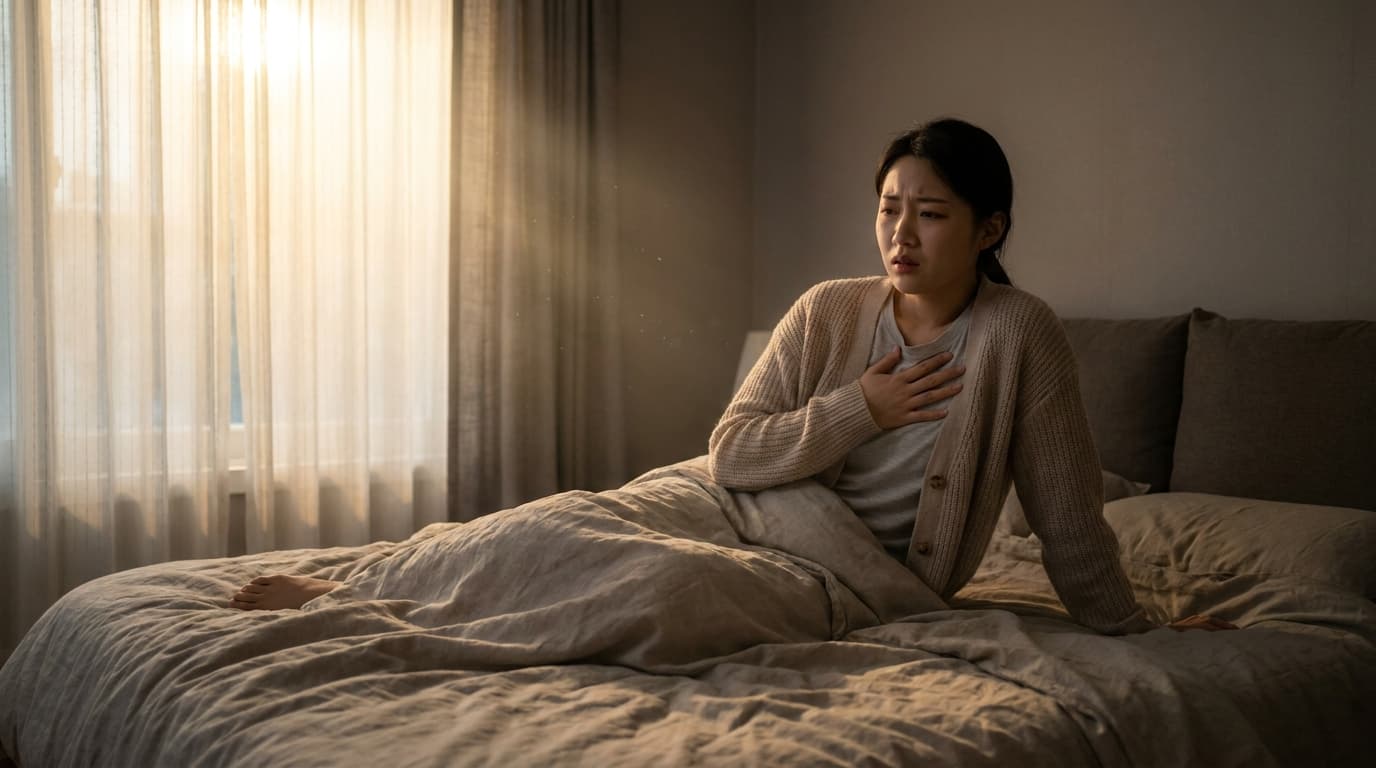
When your heart suddenly races and it's hard to breathe, feeling an overwhelming terror as if you might die, you might visit the emergency room and receive a diagnosis of 'panic disorder', or you might be told there is nothing special and given an explanation of 'autonomic imbalance', leaving you feeling confused. It is natural to wonder, "Is it really a different disease?" or "Why are the diagnosis names different when they look similar?" With anxiety and physical symptoms already wearing you down, the confusion over disease names only adds to the frustration. However, panic disorder and autonomic imbalance are clearly distinct, and understanding that difference is the first step toward proper treatment.
How are Panic Disorder and Autonomic Imbalance Different?
Panic disorder and autonomic imbalance easily cause confusion because they induce similar physical symptoms such as heart palpitations, shortness of breath, dizziness, and hand tremors. This is because both conditions are related to the excessive activation of the sympathetic nervous system. However, the decisive difference lies in 'psychological terror' and the 'aspect of symptoms'.
Panic disorder is characterized by the sudden onset of extreme terror—fear of dying or feeling like you are going crazy. It may also involve behaviors to avoid specific situations or places (such as agoraphobia). Symptoms usually peak within 10 minutes and last for 20 to 30 minutes before disappearing in the form of acute attacks. They arrive unpredictably and fiercely, like a sudden rain shower.
On the other hand, autonomic imbalance tends to have physical symptoms worsen continuously and gradually without such extreme terror or avoidance behavior. Like a lingering monsoon rain, it causes discomfort subtly and steadily. Problems such as insomnia despite fatigue, indigestion, cold hands and feet, and recurrent unexplained headaches and dizziness appear in a complex variety of symptoms. Many people visiting Incheon autonomic clinics share these experiences.
How is Autonomic Imbalance Treated in Korean Medicine?
While both panic disorder and autonomic imbalance are heavily influenced by imbalances in the autonomic nervous system, autonomic imbalance is specifically a state where the autonomic nervous system's function to regulate body homeostasis has fallen into confusion. At the Incheon branch of Dalimchae Korean Medicine Clinic, we focus on 'autonomic stabilization' treatment, helping the body restore balance on its own by managing this autonomic confusion.
Our body's autonomic nervous system consists of the sympathetic and parasympathetic nervous systems. The sympathetic nervous system handles tension and activity, while the parasympathetic nervous system handles relaxation and rest. Modern chronic stress and irregular lifestyle habits over-stimulate the sympathetic nervous system, keeping our bodies in constant combat mode. When this happens, the brain cannot rest and overheats, failing to function properly like an overloaded engine. In Korean medicine, this is viewed as a state where 'nerve heat' or 'heart fire' is rampant, and the goal is to lower this heat and create an environment where the brain can rest. One such principle is 'Su Seung Hwa Gang' (Water Ascending, Fire Descending), matching the overall circulation of Qi and blood and balancing Yin and Yang by keeping the head cool and the lower abdomen warm.
At Dalimchae Korean Medicine Clinic, we closely analyze each individual's constitution, symptoms, and autonomic state to comprehensively apply customized herbal medicine, acupuncture, pharmacopuncture, and moxibustion treatments. In particular, herbal medicine helps calm the overly stimulated sympathetic nervous system, strengthen weakened parasympathetic functions, and restore autonomic balance. Furthermore, by improving cerebral blood flow and regulating neurotransmitters, it lowers anxiety, improves sleep quality, and alleviates overall physical discomforts. Elevating the body's fundamental resilience to create a comfortable state unshaken by external stress is the core of Dalimchae's autonomic stabilization treatment.
Autonomic Imbalance Self-Diagnosis Checklist
If you match several of the following symptoms, you may suspect autonomic imbalance. These are items frequently checked during consultations at our Incheon branch.
- Frequent unexplained headaches or dizziness.
- Chronic fatigue that doesn't disappear even after adequate sleep.
- Sudden flushing or hot flashes in the face during daily life.
- Unexplained heart palpitations, stuffiness, or difficulty breathing.
- Indigestion or bowel irregularities when stressed.
- Coldness, numbness, cramps in hands/feet, or severe sensitivity to cold.
- Severe insomnia making it hard to fall asleep, waking up frequently, or poor sleep quality.
- Decreased memory and concentration, becoming sensitive and anxious over small things.
- Frequent neck/shoulder stiffness and muscle pain.
Diagnosis Criteria:
- 3+ matches → Suspect autonomic imbalance → Consider Korean medicine integrative treatment
- 5+ matches → High possibility of autonomic imbalance → Immediate visit and accurate diagnosis/consultation recommended
FAQ
Q. What is the relationship between autonomic imbalance and stress? A. Stress is one of the primary causes of autonomic imbalance. Excessive or chronic stress over-activates the sympathetic nervous system, breaking autonomic balance and triggering various physical and mental symptoms. Dalimchae focuses on stabilizing the autonomic nervous system by regulating the body's response to stress.
Q. Can panic disorder be treated with Korean medicine? A. In cases of panic disorder, Korean medicine treatments can also help stabilize the autonomic nervous system, improve brain function, and alleviate anxiety. Especially when combined with Western treatments, synergistic effects can be expected, contributing to reducing the frequency/intensity of panic attacks and improving quality of life.
Q. Can autonomic imbalance heal naturally? A. Autonomic imbalance can worsen chronically if bodily signals are ignored and left untreated. While some improve with lifestyle changes alone, expert help is needed if symptoms are long-standing or severe.
Q. Can heart palpitations and difficulty breathing be treated together? A. Yes. Heart palpitations and shortness of breath due to autonomic imbalance stem from the same autonomic imbalance. Dalimchae aims to simultaneously improve these complex physical symptoms and restore overall bodily function through integrative treatment stabilizing the autonomic nervous system.
Discomfort from panic disorder and autonomic issues is not something to endure and solve. You no longer have to ignore the body's signals sent over a long time. Approach in the right direction, and the body reacts faster than you think. Bring the symptoms you are experiencing as they are. Dalimchae will find the cause together with you.