
Hello, this is Dalimchae Clinic.
I go to the bathroom right after eating, it could be a hidden gut health signal.
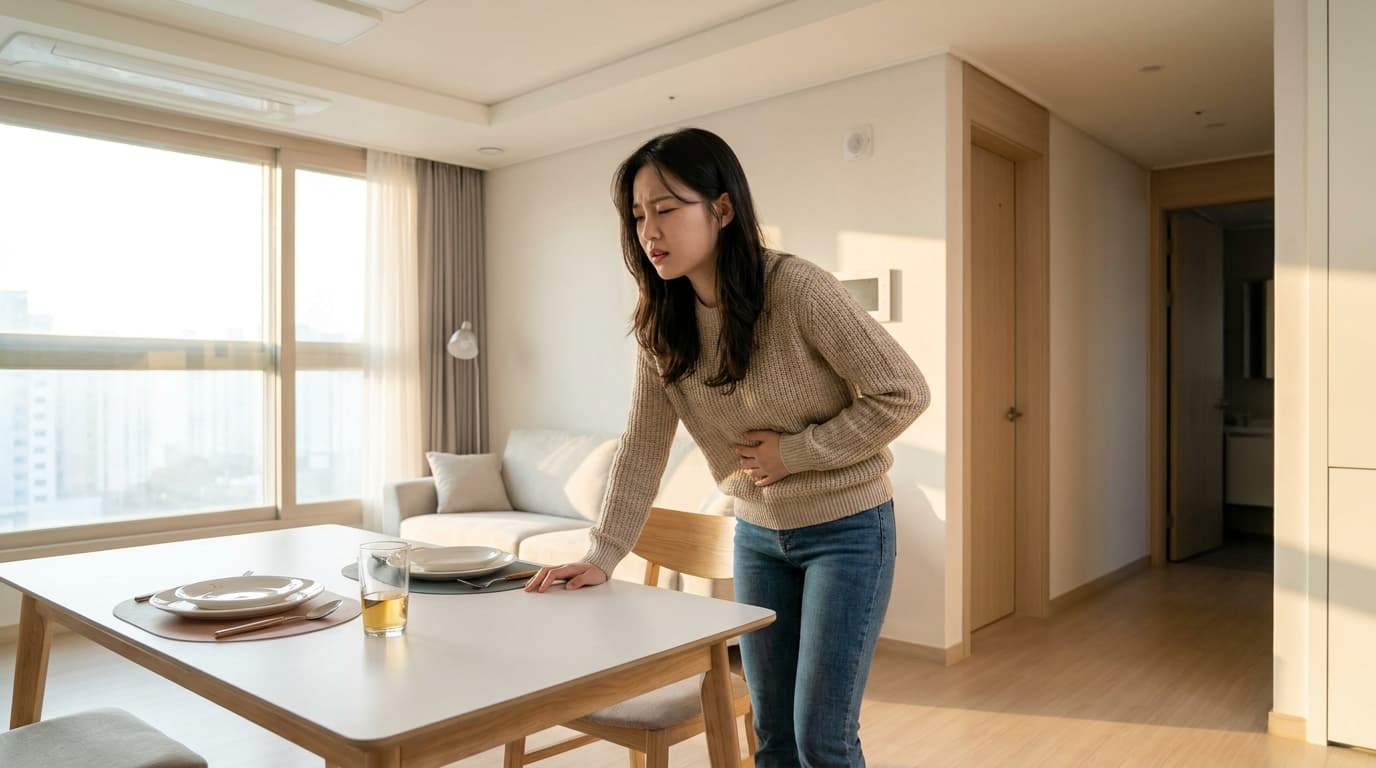
"I have to go to the bathroom as soon as I finish eating." "I'm afraid to eat when I have an important appointment." "I have stomach pain and when I go to the bathroom, it's always diarrhea." Are you suffering from these symptoms? Many people experience great inconvenience in daily life due to sudden bowel movements and diarrhea after meals. It's easy to dismiss it as just having a sensitive gut, but these symptoms can be important signals from our body.
💡 Key Answer 3 most common reasons for "going to the bathroom right after eating": ① Irritable Bowel Syndrome (Increased gut motility) / ② Hyper-responsiveness of the Gastrocolic reflex / ③ Imbalance of gut microbiome and weakened gut barrier function Dalimchae Clinic improves the gut environment through Gut Detox and restores autonomic nerve balance for healthy, recurrence-free guts.
Why do I go to the bathroom right after eating?
Going to the bathroom right after eating is caused by a combination of factors. When we eat, our body naturally triggers a physiological response called the gastrocolic reflex to activate bowel movements. This is normal, but in certain conditions, this reflex can become overactive.
Specifically, for IBS patients, the gut's sensitivity to this reflex is abnormally high, leading to stronger experiences of pain, diarrhea, and bloating after meals. 'Visceral hypersensitivity' is cited as a main cause, and it is closely related to the imbalance of the 'Gut-Brain Axis'.
Is IBS really due to stress?
While stress is a major factor, recent studies emphasize the importance of gut environment and inflammatory responses. Stress stimulates the autonomic nervous system, changing gut motility and negatively affecting the microbiome.
When the gut barrier weakens, toxins enter the blood, causing systemic inflammation, which further increases gut sensitivity. Thus, it's a complex mix of psychological factors, physiological problems, and inflammation.
How does Korean Medicine treat this?
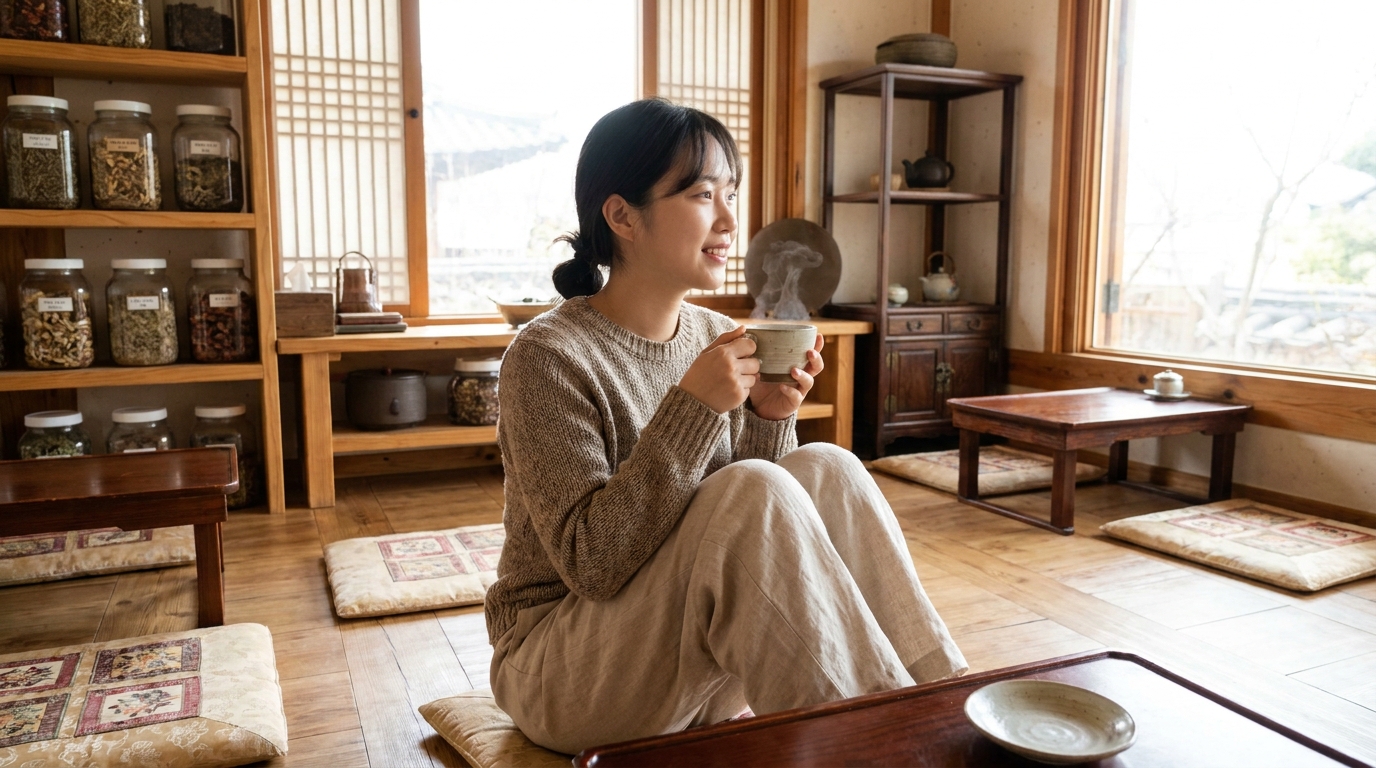
Dalimchae Clinic in Songdo focuses on 'Gut Detox' to resolve the imbalance in the gut and gut-brain axis. We aim to increase the gut's immunity and recovery power beyond just suppressing symptoms.
Studies published in 2026 in "Integrative Medicine Research" showed that 'Gwakjeong-tang-gami' significantly improved symptoms in IBS-D patients. Another study in "Journal of Ethnopharmacology" (2023) confirmed that 'Banhasasim-tang' is effective in reducing inflammation markers and hypersensitivity in IBS models.
Our Gut Detox focuses on removing toxins from the gut wall and balancing the microbiome to create a healthy environment.
Self-Diagnosis: How sensitive is your gut?
- Diarrhea within 30 minutes after eating.
- Sudden abdominal pain and strong urge to defecate.
- Feeling of incomplete evacuation.
- Symptoms worsen with specific foods (spicy, greasy, dairy, coffee).
- Symptoms worsen under stress or tension.
- Chronic indigestion or bloating.
- Alternating diarrhea and constipation.
Results:
- 3+ items: Suspected IBS stage.
- 5+ items: Severe sensitivity stage. Immediate diagnosis recommended.
Dalimchae Clinic, where life blooms. Korean medicine is, after all, Dalimchae. Consult our AI on the homepage to check symptoms similar to yours!
Medical Supervision | Oh Hyun-min, KMD, Dalimchae Clinic Songdo.