
Hello. This is Dalimchae Oriental Medicine Clinic.
Band-shaped blisters on the flank could be a warning sign from within your body, not just a simple skin disease.
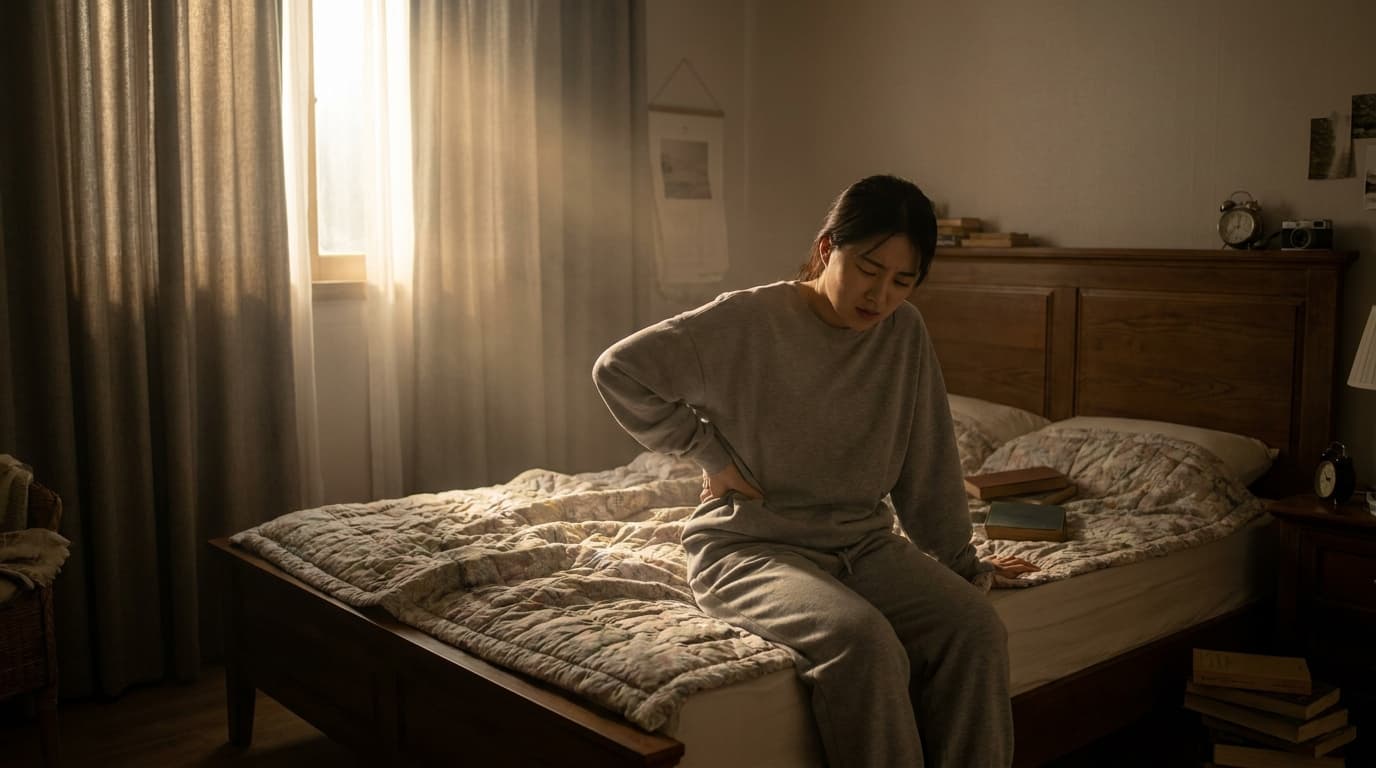
Have you ever experienced sudden poking or burning pain on one side of your flank, followed by band-shaped blisters a few days later? Many people initially dismiss these as simple skin problems or muscle pain. However, these band-shaped blisters on the flank are not just a skin trouble; they could be a strong warning signal from your body—specifically, 'Shingles' (Herpes Zoster). It is a disease where the virus that had been dormant in your body reactivates due to a weakened immune system, causing inflammation and pain along the nerves. If left untreated, the extreme pain can become chronic, making early response critical.
💡 Key Answer
The 3 most common causes of band-shaped blisters on the flank:
① Reactivation of the chickenpox virus from childhood / ② Decreased immunity due to excessive stress and overwork / ③ Weakened physical strength due to aging or chronic diseases.
Dalimchae Oriental Medicine Clinic aims to prevent recurrence and fundamentally strengthen immunity through constitutional improvement.
Is the band-like blister on my flank Shingles?
Yes, if band-shaped blisters appear on one side of the flank or torso accompanied by severe pain, there is a high possibility of Shingles. Shingles occurs when the 'Varicella-Zoster Virus', which remained dormant in the nerve ganglia of someone who had chickenpox as a child, reactivates when the immune system weakens. The virus travels along the nerve, causing rashes and blisters on the skin and inflammation in the nerve itself, leading to pain described as being stabbed with a knife or a burning sensation. This pain can be far more distressing than the blisters themselves, often disrupting sleep and daily life.
Why does Shingles occur, and who is susceptible?
The biggest cause of Shingles is decreased immunity. Our immune system normally suppresses dormant viruses, but when it weakens due to stress, overwork, or lack of sleep, the virus starts acting again. People particularly vulnerable include:
- Chronic stress and overwork: The primary culprits for dropping immunity.
- Aging: Immune function naturally weakens with age.
- Chronic disease patients: People with underlying conditions like diabetes, cancer, or autoimmune diseases.
- Organ transplant recipients or those on immunosuppressants: Situations where the immune system is intentionally suppressed.
Therefore, Incheon Shingles Oriental Medicine Clinic Dalimchae identifies the patient's lifestyle and health status comprehensively to help improve fundamental immunity.
How does Oriental Medicine view and treat Shingles?
In Oriental Medicine, Shingles is viewed not just as a skin disease but as a result of physical strength and immune imbalance. Specifically, it is seen as inflammation in the nerves and skin lesions caused by excessive heat (熱), dampness (濕), and stagnation of Qi and blood circulation. Dalimchae Oriental Medicine Clinic focuses on constitutional improvement to create a body where symptoms do not flare up again, rather than just suppressing them.
A 2023 study published in the 「Journal of Clinical Medicine」 evaluated the effect of Hwangryunhaedok-tang pharmacopuncture on 117 acute shingles patients. The results showed a statistically significant reduction in pain scores and skin rash area (p<0.001) in the group receiving the pharmacopuncture, with no serious side effects. Researchers concluded it is effective in suppressing inflammation and relieving pain. This serves as evidence for Dalimchae's use of pharmacopuncture in managing post-herpetic neuralgia and early pain.
Additionally, a 2022 systematic review and meta-analysis in 「Frontiers in Pharmacology」 analyzed the effects of acupuncture and moxibustion on post-herpetic neuralgia (PHN). Analyzing 15 randomized controlled trials with 1,378 patients, it reported significant effects in reducing pain and improving quality of life (p<0.05), showing better results than drug therapy alone. This highlights why Dalimchae actively utilizes acupuncture and moxibustion for pain management.
Dalimchae’s treatment goes beyond suppressing the virus; it diagnoses each individual's condition to strengthen immunity and foster the body's self-healing power. This is an integrated approach to increase resistance against the virus, prevent recurrence, and help recover nerves damaged by pain.
If you have these symptoms, seek treatment immediately!
If 3 or more of the following apply, Shingles may be progressing or at high risk. It is important to start customized treatment at Dalimchae Oriental Medicine Clinic, an Incheon skin disease clinic.
Shingles Suspicion Checklist
- Poking or burning pain on only one side of the body.
- Band-shaped blisters appearing after red spots on the skin.
- Chills and fever like a cold before skin lesions appear.
- Skin sensations like itching or stinging feel different than usual.
- Blisters appearing around the eyes or on the face.
- Difficulty sleeping and disruption of daily life due to pain.
- Recent severe stress or overwork.
- Aged 50 or older or suffering from chronic diseases.
Judgment Criteria:
- 3 or more: High risk of Shingles, Oriental medicine diagnosis recommended.
- 5 or more: Immediate visit and professional treatment strongly recommended.
What happens if you miss the Shingles treatment window?
The "golden time" is crucial for Shingles. Starting treatment within 72 hours of pain and blisters is known to be vital for preventing virus spread and complications like post-herpetic neuralgia. Missing this window can lead to severe nerve damage, causing extreme pain to persist for months or years even after skin lesions disappear. This neuralgia can significantly lower quality of life, making even clothes touching the skin painful. Songdo Oriental Medicine Clinic Dalimchae provides integrated treatment to prevent these complications and alleviate existing neuralgia.
Q. How long does Shingles last?
A. Recovery depends on individual immunity and severity. Generally, acute pain and blisters improve within 2-4 weeks, but if immunity is weak, it may progress to post-herpetic neuralgia lasting months.
Q. Can Shingles be treated with Oriental medicine?
A. Yes, it is effective in alleviating acute pain, healing skin lesions, preventing recurrence through immunity strengthening, and managing post-herpetic neuralgia. Personalized treatments like acupuncture, moxibustion, and herbal medicine are used.
Q. Can Shingles heal naturally?
A. While it may improve naturally in those with very high immunity, most cases carry high risk of severe pain and complications. Professional treatment is highly recommended if band-shaped blisters on the flank appear.
Q. I have both Shingles and chronic fatigue; can they be treated together?
A. Yes, Shingles is closely related to low immunity, often accompanied by chronic fatigue. Dalimchae treats both by strengthening overall energy and immunity through constitutional improvement.
The pain accompanying band-shaped blisters on the flank is not something to just endure. Do not ignore the signals your body has been sending. If you approach it the right way, your body will react faster than you think. Bring your symptoms to Dalimchae Oriental Medicine Clinic. We will find the cause together.
Where life blooms. For herbal medicine, it's Dalimchae Oriental Medicine Clinic. Check your symptoms first with the AI consultation on our website!
Medical Supervision | Min Jihong, Oriental Medical Doctor at Dalimchae Oriental Medicine Clinic Incheon Branch (Chronic Skin Disease Column)