
Hello. This is Dalimchae Oriental Medicine Clinic.
Autonomic Nervous System Abnormality, Is It a Dangerous Signal from My Body or Simple Stress?
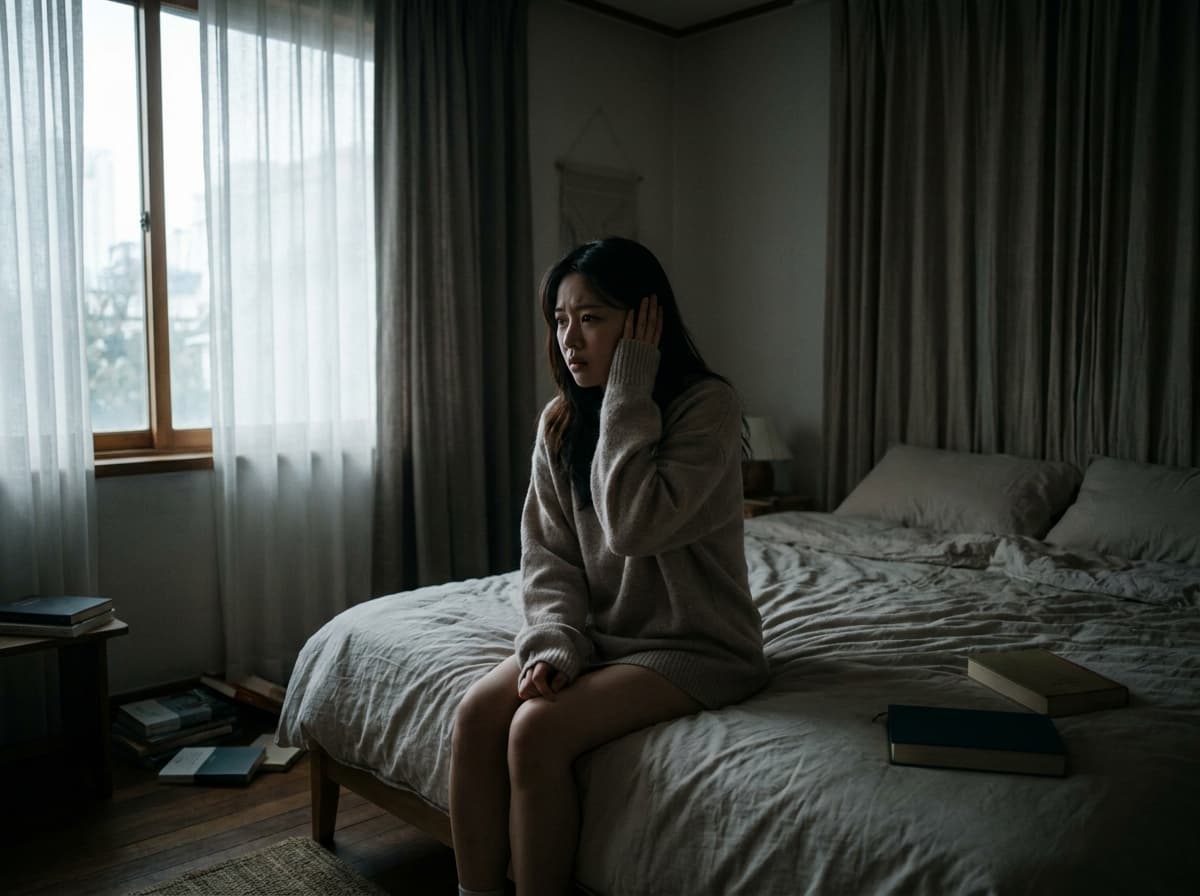
One day, you might suddenly feel like your body isn't what it used to be. You don't feel refreshed after sleeping, your head feels foggy, and you experience chest tightness and palpitations. Even when you go to the hospital, you only hear that "there's nothing special" or "it's due to stress," and many people feel frustrated because they can't find a clear solution. These symptoms, which are too painful to simply attribute to stress—could autonomic nervous system abnormality be the cause? Dalimchae Clinic Songdo Branch wants to solve these concerns with you.
💡 [Key Answer] The 3 most common causes of autonomic nervous system abnormality: ① Chronic Stress: Excessive tension breaks the balance of the autonomic nervous system. ② Lack of Sleep and Irregular Lifestyle: The brain and body lose time to recover. ③ Inappropriate Eating Habits: Deterioration of gut health affects the brain-gut axis. Dalimchae Clinic helps the body regain its own power to recover through herbal treatment for restoring the balance of the autonomic nervous system.
Is my body's autonomic nervous system broken?
The autonomic nervous system is an important system that regulates all functions of our body. Heart rate, digestion, temperature regulation, sleep, etc., operate automatically without our conscious awareness and maintain the body's balance (homeostasis). The sympathetic and parasympathetic nervous systems must work in harmony, but when this balance is broken due to stress, overwork, and irregular lifestyle habits, various physical and mental symptoms appear. We call this 'autonomic dysfunction' or 'autonomic nervous system imbalance.'
At first, it's easy to think it's simply because of fatigue or stress. However, as time passes, symptoms such as headache, dizziness, palpitations, indigestion, and insomnia become chronic and can significantly reduce the quality of life. In particular, many people visiting Songdo Autonomic Nerve Clinic complain, "The tests are normal, but my body is constantly tired." This is because functional problems of the autonomic nervous system often do not show up well in current precision tests.
Relationship between Stress and Autonomic Imbalance from an Oriental Medicine Perspective
In Oriental medicine, the autonomic nervous system is seen as closely related to the 'harmony of Yin and Yang.' The sympathetic nervous system can be interpreted as Yang energy for activity and tension, and the parasympathetic nervous system as Yin energy for rest and relaxation. If these two energies lose balance and lean to one side, our body functions like an overheated engine. In particular, stress excessively excites the sympathetic nervous system, causing 'Fire' energy to soar upward, which results in symptoms such as headache, insomnia, and chest tightness.
A 2004 study published in an international journal conducted a randomized placebo-controlled study on the effects of an Oriental medicine prescription (Ondam-tang Gamibang) on 40 medical students experiencing exam stress. As a result, the herbal medicine group showed significant decreases in systolic blood pressure, plasma norepinephrine, and cortisol concentrations, and positive changes in psychological variables such as anxiety, depression, stress, and emotional state. The researchers concluded that these results suggest Oriental medicine prescriptions can alleviate stress-related physical and psychological symptoms by stabilizing the sympathetic nervous system.
Also, a 2015 study in the Korean Journal of Family Medicine analyzed the effect of a relaxation training program on the autonomic nervous system of 21 adults with decreased autonomic function. In this study, relaxation training confirmed significant changes in Heart Rate Variability (HRV) indicators: SDNN (p=0.036), RMSSD (p=0.031), TP (p=0.042), and HF (p=0.048). This shows that systematic relaxation therapy for stress management can have a positive effect on improving autonomic function. These studies support that autonomic imbalance is not just a 'disease of the heart' but an area that can be sufficiently recovered through Oriental medicine treatment and lifestyle improvement. Dalimchae Clinic Songdo Branch provides customized treatment for restoring autonomic balance based on these scientific grounds.
How can I regain the balance of the autonomic nervous system?
Dalimchae Clinic applies the treatment principle of autonomic nerve stabilization to regain the balance of the broken autonomic nervous system. This is not about simply suppressing symptoms, but aims to release excessive tension in the nervous system and create an environment where the brain can fully rest. It calms the sympathetic nervous system overheated by stress and increases the activity of the parasympathetic nervous system to help our body exercise its inherent recovery power.
Cooling the heat of the nervous system and creating an environment where the brain can rest—called Suseunghwagang (水昇火降) in Oriental medicine—plays a key role in improving symptoms caused by autonomic imbalance such as headache, dizziness, insomnia, and chronic fatigue. At our Songdo Clinic, we effectively restore the balance of the autonomic nervous system through complex Oriental treatments such as herbal medicine tailored to constitution and symptoms, acupuncture, moxibustion, cupping, and pharmacopuncture. These treatments calm excessive excitation of the sympathetic nervous system and activate the function of the parasympathetic nervous system, helping to regain peace of mind and body.
Is my autonomic nervous system okay? Self-Diagnosis Checklist
Check if any of the following items apply to you.
- Feel chronic fatigue of unknown cause.
- Frequently feel palpitations or chest tightness.
- Have difficulty falling asleep at night or wake up frequently.
- Have poor digestion and frequent nervous stomach symptoms.
- Symptoms such as headache, dizziness, and tinnitus repeat.
- Hands and feet are cold, or there are symptoms of heat rising in the body.
- Feel anxious or nervous even over small things.
- Emotional ups and downs are severe, and often fall into depression.
- Muscles such as neck and shoulders are always stiff and tight.
- Eyes are stiff and dim, and dry eye syndrome is severe.
Judgment Criteria:
- 3 or fewer: Likely manageable as mild stress-related symptoms.
- 4~6: Autonomic imbalance is suspected, so consider expert consultation along with lifestyle improvement.
- 7 or more: High possibility of autonomic dysfunction. We recommend immediate visit and accurate diagnosis and treatment through complex Oriental treatments.
FAQ
Q. How long should I treat autonomic nervous system abnormality? A. The treatment period for autonomic abnormality varies depending on the individual's symptom severity, onset period, and lifestyle. Usually, 3 to 6 months or more of steady treatment and lifestyle management are required, and treatment is adjusted stepwise according to the trend of symptom improvement.
Q. Is autonomic dysfunction also treated by Oriental medicine? A. Yes, autonomic dysfunction is an area that has been treated for a long time in Oriental medicine, interpreted as 'Disharmony between Heart and Kidney (心腎不交)' or 'Liver Qi Stagnation (肝氣鬱結).' Through herbal medicine, acupuncture, moxibustion, etc., it regulates the balance of the autonomic nervous system and increases the body's recovery power to help improve fundamental symptoms.
Q. Can autonomic abnormality heal naturally? A. Mild stress-induced autonomic imbalance can be recovered naturally through sufficient rest and stress management. However, if symptoms become chronic or reach a level that interferes with daily life, it is difficult to improve naturally without expert help, and it is more likely to worsen.
Q. I have autonomic abnormality and insomnia together, can they be treated together? A. Yes, autonomic imbalance is one of the main causes of insomnia, so treatment to stabilize the autonomic nervous system directly helps improve insomnia. At Dalimchae Clinic, we diagnose and treat both symptoms integrally, expecting a synergistic effect.
Autonomic abnormality is not a problem solved by enduring. You no longer have to ignore the signals your body has been sending for a long time. If you approach it in the right direction, your body reacts faster than you think. Bring the symptoms you are experiencing as they are. Dalimchae Clinic will find the cause together.
Where life blooms. Herbal medicine is, after all, Dalimchae Oriental Medicine Clinic. Check your similar symptoms through the AI consultation on the Dalimchae Clinic website first!
This post is health information compiled by the Dalimchae medical team based on questions frequently received in the consultation room. Medical Supervision | Brain/Autonomic Nerve Treatment Standard, Dalimchae Clinic Songdo Branch, Oriental Doctor Oh Hyunmin (Autonomic Dysfunction Column)