
Hello. This is Dalimchae Korean Medicine Clinic.
Are Your Periods Irregular? Could It Be Polycystic Ovary Syndrome? Clear Oriental Medicine Diagnosis and Solutions [Songdo PCOS Korean Medicine Clinic]
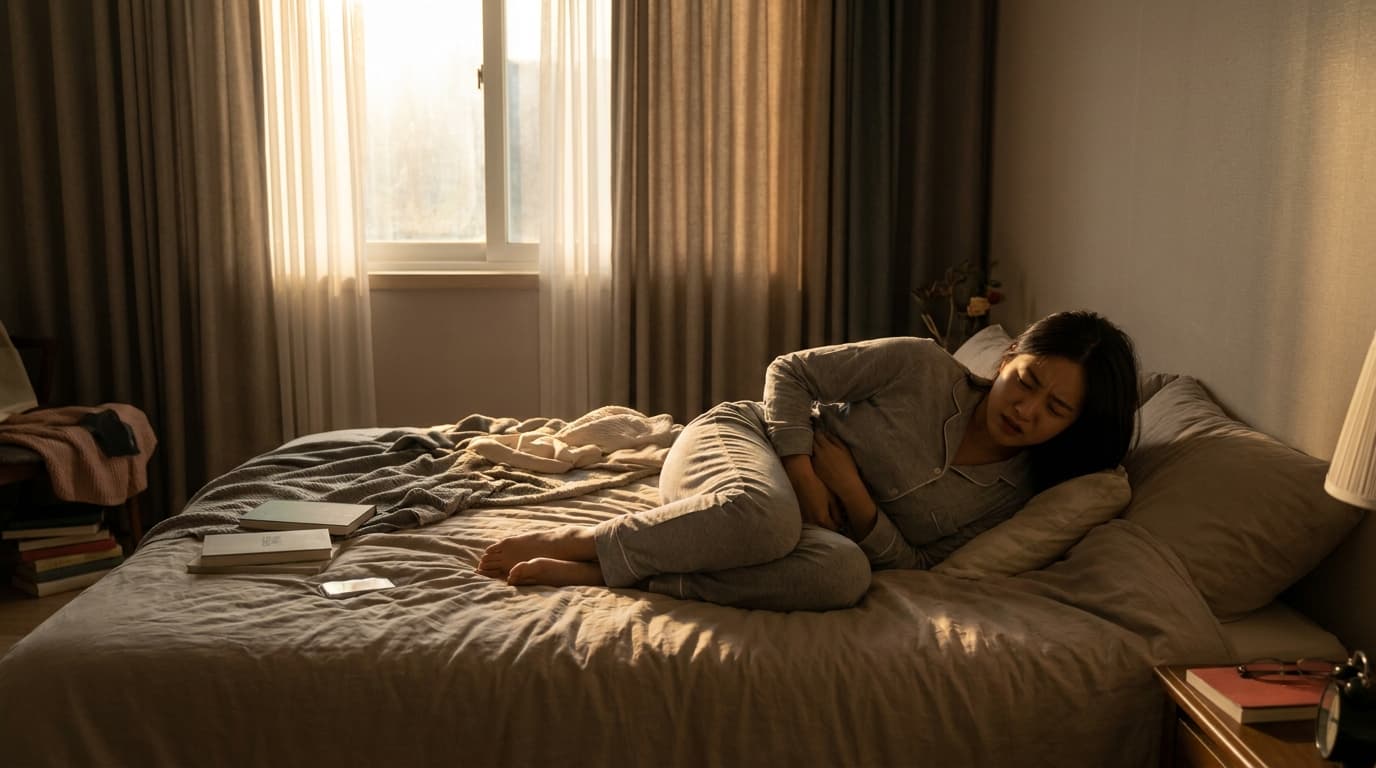
A monthly menstrual cycle is one of the most important indicators of women's health. However, many people worry when their menstrual cycle becomes erratic or skips for months. Even if you try to brush it off as temporary stress or fatigue, anxious feelings are hard to shake off. Hearing the term 'Polycystic Ovary Syndrome' naturally raises concerns about whether you might have it.
💡 [Key Answer] Top 3 causes of "My periods are irregular": ① Female hormone imbalance / ② Chronic anovulation / ③ Insulin resistance Dalimchae Korean Medicine Clinic restores disrupted biological rhythms and ovarian autonomic function through fundamental constitutional improvement.
Q. Does irregular menstruation always mean Polycystic Ovary Syndrome?
Not all irregular periods are Polycystic Ovary Syndrome (PCOS). Temporary factors like stress, rapid weight change, or excessive dieting can alter menstrual cycles. However, when irregular periods become frequent and prolonged, PCOS should be suspected. PCOS is a common endocrine disorder affecting 1 in 10 women of childbearing age, characterized by multiple small follicles forming in the ovaries that fail to mature and ovulate properly.
Diagnostic criteria require at least two of the following three symptoms:
- Oligomenorrhea or anovulation: Long menstrual cycles (35 days or more) or amenorrhea (no periods).
- Hyperandrogenism: Elevated male hormone levels causing hirsutism, acne, or male-pattern hair loss.
- Polycystic ovary morphology: 10 or more small follicles observed in an ovary via ultrasound.
These symptoms indicate severe hormonal imbalance and can lead to serious health issues such as infertility, metabolic syndrome, and endometrial hyperplasia if left untreated, making accurate diagnosis and treatment crucial.
Q. Why is PCOS more prevalent in modern women?
While the exact cause of PCOS remains unclear, it is closely linked to modern lifestyle habits alongside genetic factors. Insulin resistance, chronic inflammation, and autonomic nervous system imbalance due to stress are major contributors. Our hormone system is regulated by the hypothalamic-pituitary-ovarian axis. Excessive stress, obesity from irregular eating habits, Westernized diets, and environmental hormone exposure easily disrupt this delicate balance.
In particular, insulin resistance occurs in about half of PCOS patients, promoting male hormone secretion in the ovaries and hindering ovulation. Chronic inflammation also impairs ovarian function and hormone production, while excessive autonomic tension disrupts hormone secretion rhythms, making normal ovulation difficult.
Q. How does Oriental Medicine diagnose and treat PCOS?
Dalimchae Korean Medicine Clinic in Songdo diagnoses PCOS not merely as an isolated ovarian issue, but as a state of whole-body imbalance. Since it is a chronic and recurrent condition, our goal is to create a body where symptoms do not return through constitutional improvement. This goes beyond temporarily suppressing symptoms like birth control pills do; it helps the ovaries restore their own ovulation function and regain hormonal balance.
We create personalized treatment plans considering individual constitution, lifestyle, and symptom patterns. Various causes such as liver heat stagnating uterine flow, dampness obstructing circulation, or kidney deficiency reducing ovarian function are addressed with customized herbal medicine, acupuncture, and moxibustion.
According to a study published in the Journal of Korean Obstetrics and Gynecology (2016) by Inae Korean Medicine Clinic, applying Oriental medical treatment to PCOS patients with amenorrhea for 6 months or more resulted in an 85.7% improvement in menstrual irregularity and anovulation. Furthermore, a clinical study published in J Tradit Chin Med (2015) by Wang R et al. confirmed that a specific herbal formula produced dose-dependent changes in serum testosterone and estradiol levels in PCOS and infertile women (p<0.05), demonstrating significant efficacy in improving hyperandrogenism.
PCOS Self-Diagnosis Checklist
If 3 or more apply to you, suspect PCOS and consult an expert:
- Menstrual cycles are longer than 35 days or shorter than 21 days.
- No menstruation for the past 3 months or fewer than 8 periods a year.
- Unusual hair growth on the face, chest, or abdomen (hirsutism).
- Unexplained weight gain, especially severe abdominal obesity.
- Severe, persistent adult acne.
- Greasy scalp and hair loss along with skin troubles.
- Planning pregnancy but experiencing difficulty (infertility).
- Ultrasound showed 10 or more small follicles in the ovaries.
- Persistent chronic fatigue.
- Severe mood swings, depression, or anxiety.
[Criteria]
- 3-4 items: Suspected PCOS stage. Consultation at a women's Korean medicine clinic is recommended.
- 5+ items: High probability of PCOS. Immediate visit for precise diagnosis and treatment is recommended.
FAQ
Q. Must PCOS be treated? A. PCOS is a major cause of infertility and increases the risk of diabetes, cardiovascular disease, and endometrial cancer. Active treatment and management are essential for a healthy future.
Q. How long does Oriental medical treatment take? A. Treatment duration varies depending on symptom severity, constitution, and lifestyle. Generally, 3 to 6 months of consistent treatment is standard for restoring ovarian function and establishing a regular menstrual cycle.
Q. Can I undergo Oriental treatment while taking birth control pills? A. Yes, you can. Birth control pills are typically used for temporary symptom relief, while Oriental treatment aims to restore fundamental bodily functions. You can consult your Korean medicine doctor to combine treatments for synergistic effects.
Q. What is the relationship between PCOS and infertility? A. PCOS causes chronic anovulation, making it one of the most common causes of infertility. Restoring ovulation function and hormone balance through Oriental treatment can increase natural pregnancy rates and improve assisted reproductive technology success rates.
Irregular menstruation cannot be solved by enduring it. You no longer need to ignore the body's signals. Approach it the right way, and your body will respond faster than you think. Bring your current symptoms to Dalimchae Korean Medicine Clinic in Songdo, and we will find the cause together.
Herbal medicine is Dalimchae. Check your similar symptoms first through Dalimchae Korean Medicine Clinic's website AI consultation!
Medical supervision | Women's & Pregnancy Treatment Standards, Dalimchae Korean Medicine Clinic Songdo Branch, Korean Medicine Doctor Oh Hyunmin (PCOS Column)