
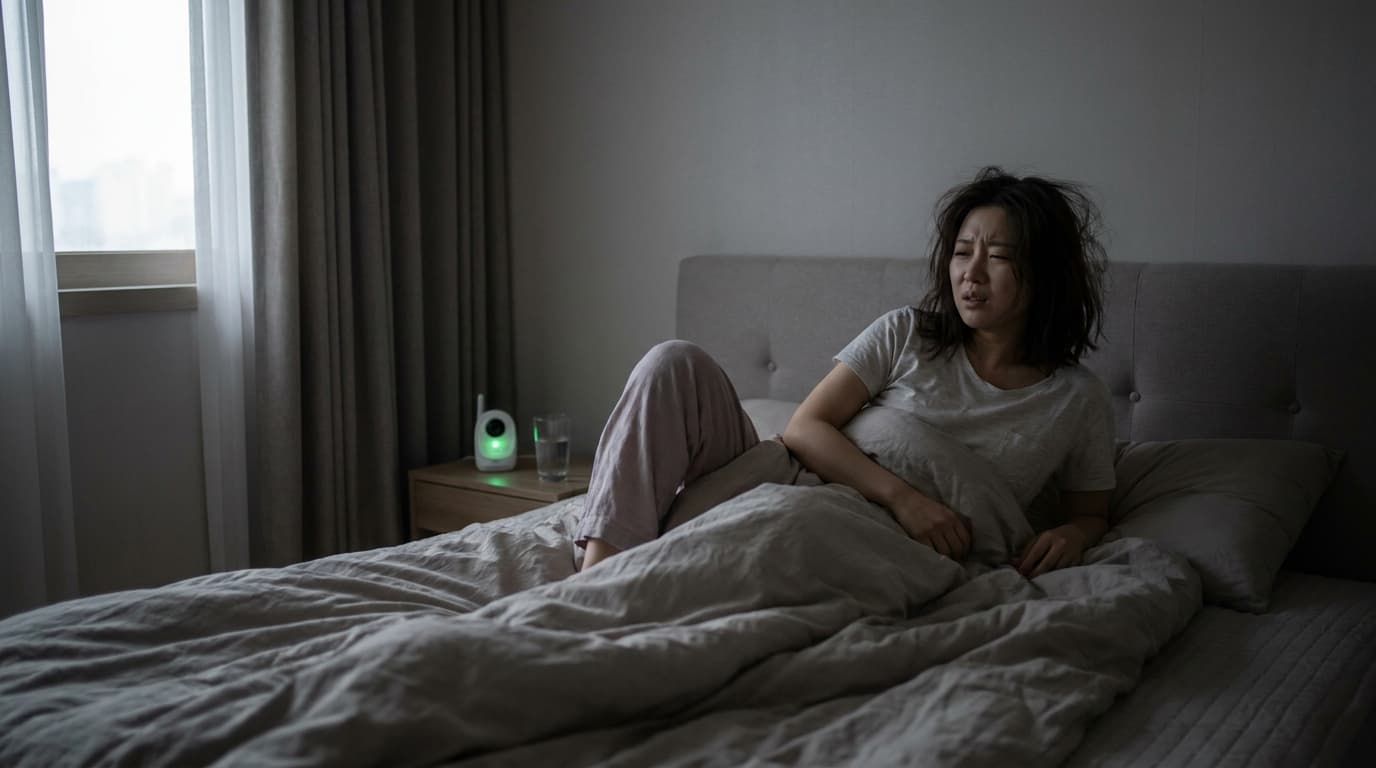
Why Postpartum Body Does Not Return Postpartum Wind and Why Massage Alone Is Not Enough
Hello, this is Dalimchae Korean Medicine Clinic. # Why Postpartum Body Does Not Return Postpartum Wind and Why Massage Alone Is Not Enough The time filled with joy and excitement to meet your baby passes quickly, leaving mothers facing unfamiliar changes in the mirror, wondering, "Why won't my body return after childbirth?" Many mothers struggle with full-body aches, chills, and lack of energy. It is natural to feel frustrated when your body does not recover even after receiving massages and resting comfortably at postpartum care centers. 💡 **[Core Answer]** The 3 most common causes of "Why postpartum body does not return": ① Stagnant blood (Eohyeol) generated during childbirth / ② General functional decline due to depletion of Qi and blood / ③ Rapid hormonal changes and autonomic nervous system imbalance Dalimchae Korean Medicine Clinic helps restore fundamental recovery power through **constitutional improvement** to prevent symptom recurrence. ## Why Won't Postpartum Body Return After Childbirth? Childbirth is a monumental journey bringing immense changes to a woman's body. During this process, a woman's body consumes a massive amount of Qi and blood, and stagnant blood (Eohyeol) is generated in the uterus. Additionally, ligaments and muscles of the pelvis and entire joints that relaxed to allow the baby to pass require recovery time to find their original places. If the body fails to sufficiently recover and is subjected to strain during this period, smooth blood circulation is hindered, inviting cold and chilly qi. Such conditions cause deep problems difficult to resolve merely through rest or massage, known in Korean medicine as 'Sanhu-pung' (postpartum wind). In particular, hormones such as estrogen and relaxin, which increased during pregnancy, rapidly decrease after childbirth, affecting the autonomic nervous system. This induces body temperature regulation issues, sleep disorders, and emotional ups and downs, causing physical and mental discomfort similar to menopause. Many mothers visiting Incheon postpartum Korean medicine clinics complain of systemic pain, chilling, edema, fatigue, and depression due to these complex problems. ## Why Massage Alone Is Not Enough for Postpartum Wind Postpartum care center massages are effective in relieving strained muscles and aiding blood circulation after childbirth. However, these are mainly external care for muscles and skin and are difficult to resolve deep internal imbalances which are the root cause of postpartum wind. Postpartum wind starts from deep internal problems such as Eohyeol stagnation, Qi-blood deficiency, and autonomic nervous system imbalance, not simply muscle pain or edema. While massage can help temporary pain relief and circulation improvement, fundamental treatment requiring Eohyeol elimination, replenishment of consumed Qi and blood, and restoring autonomic balance needs a traditional medicine approach. For example, if Eohyeol is not properly cleared, uterine recovery slows down, causing lower abdominal pain or menstrual abnormalities, which cannot be resolved by massage alone. Therefore, Dalimchae Korean Medicine Clinic Incheon branch focuses on diagnosing the mother's physical condition precisely to solve internal problems. ## How Does Korean Medicine Treat Postpartum Wind? Dalimchae Korean Medicine Clinic does not view postpartum wind merely as external symptoms. It focuses on systemic recovery through 'constitutional improvement' by identifying the mother's constitution and root causes of symptoms. This aims beyond resolving immediate discomfort to creating a healthy body where symptoms do not recur. 1. Eohyeol Elimination and Uterine Recovery: Eohyeol remaining in the body after childbirth hinders uterine recovery and causes pain and edema. Herbal medicine helps smoothly discharge Eohyeol and assists normal uterine contraction and recovery. 2. Qi-Blood Supplementation and Immunity Enhancement: Replenishes depleted energy and blood from childbirth, enhancing systemic function and immunity. This is essential for improving chronic fatigue, lethargy, and coldness. 3. Joint and Ligament Recovery Support: Helps relaxed joints and ligaments return to place and strengthen, alleviating postpartum joint pain and chilling symptoms and preventing recurrence. 4. Autonomic Balance Regulation: Adjusts autonomic nervous system balance disrupted by rapid hormonal changes, improving psychological stability and sleep quality, positively influencing postpartum depression and anxiety relief. Dalimchae Korean Medicine Clinic Incheon branch treats postpartum wind systematically by combining customized herbal prescriptions with acupuncture, moxibustion, and pharmacopuncture according to individual constitutions and symptoms. ## Research Findings on Postpartum Health Management in Korean Medicine Research results continuously demonstrate that Korean medicine-based postpartum care positively impacts overall maternal recovery. In a retrospective observational study by Seo Joohee et al. published in *Perspectives on Integrative Medicine* in 2023, 37 mothers participating in the Korean Medicine-based Postpartum Health Care Program (KMPHP) were evaluated. As a result, the Edinburgh Postnatal Depression Scale (EPDS) score of mothers significantly improved from an average of 8 before treatment to 5 after treatment (p < 0.01), EuroQol-5 Dimension-5L quality of life score improved from 0.82 to 0.83 (p = 0.02), and EuroQol visual analog scale (VAS) score significantly increased from 70 to 80 points (p < 0.01). Researchers concluded that Korean medicine-based interventions can be effective in improving emotional state, quality of life, and pain reduction in mothers. These data align with the treatment philosophy of emotional and physical recovery through autonomic stabilization pursued by Dalimchae Korean Medicine Clinic. Furthermore, in a study published in the *Journal of Pharmacopuncture* in 2023, satisfaction and perceived effects of postpartum herbal medicine intake were investigated among 68 mothers. In this study, mothers showed high satisfaction of 76.47% regarding postpartum herbal medicine intake, and over 50% responded that they experienced improvements in postpartum wind symptoms, weight gain, and delayed lochia discharge. Researchers concluded that mothers perceived effectiveness along with high satisfaction when taking herbal medicine for postpartum wind treatment. This suggests that individualized constitutional improvement herbal medicine provided by Dalimchae Korean Medicine Clinic can positively impact actual recovery of mothers. ## Could It Be Postpartum Wind? Self-Checklist Check how many of the following symptoms you are experiencing: * General body aches, chilling, and cold sensations after childbirth. * Joint pain or discomfort in wrists, knees, waist, and ankles. * Frequent fatigue and lack of energy making daily life difficult. * Unaccustomed excessive sweating and cold sweats. * Rough, dry skin and severe hair loss. * Edema that does not subside easily and frequent numbness in hands and feet. * Unexplained depression, anxiety, and severe mood swings. * Poor sleep quality and difficulty falling asleep. Judgment Criteria: * 3 or more items apply: Suspect early symptoms of postpartum wind. Check your overall physical condition and consider Korean medicine combination treatment at Dalimchae Korean Medicine Clinic. * 5 or more items apply: Active postpartum wind treatment is needed. Do not delay and visit Dalimchae Korean Medicine Clinic Incheon branch for immediate consultation. * Incheon postpartum wind treatment should be customized according to the depth and duration of symptoms and individual constitution. ## FAQ – Frequently Asked Questions About Postpartum Wind Q. How long does postpartum wind last? A. The duration of postpartum wind varies greatly depending on individual constitution, physical condition at childbirth, and degree of postpartum care. Passing the puerperium (6 weeks postpartum) well is important; without proper treatment during this time, it can affect months, years, or even menopause. Q. Is herbal medicine intake possible during breastfeeding? A. Yes, it is possible. Dalimchae Korean Medicine Clinic carefully selects and prescribes safe medicinal herbs completely harmless to babies for nursing mothers. Herbal medicine that aids breastfeeding while replenishing maternal Qi-blood and removing Eohyeol can positively contribute to healthy milk production. Q. Pain continues even after receiving massage at the postpartum care center. A. Massage helps muscle relaxation and blood circulation improvement, but has limitations in resolving root causes of postpartum wind such as Eohyeol, Qi-blood deficiency, and autonomic imbalance. If pain persists, traditional medical diagnosis and treatment to solve deep internal problems are necessary. Q. Edema is severe after childbirth, will traditional treatment help? A. Yes, it can help. Postpartum edema is mainly caused by Eohyeol stagnation and reduced Qi-blood circulation. Traditional treatment removes Eohyeol, smooths systemic circulation, effectively improves edema, and positively contributes to postpartum obesity prevention. Postpartum wind is not a problem solved by enduring. You no longer need to turn away from the signals your body has sent for a long time. When approached correctly, the body responds faster than expected. Bring your current symptoms as they are. Dalimchae Korean Medicine Clinic will find the cause together. Where life blooms. Herbal medicine is Dalimchae Korean Medicine Clinic. Check your similar symptoms first through Dalimchae Korean Medicine Clinic website AI consultation! Medical supervision: Jihong Min, Korean Medicine Doctor at Dalimchae Korean Medicine Clinic Incheon Branch (Postpartum Care Column)