
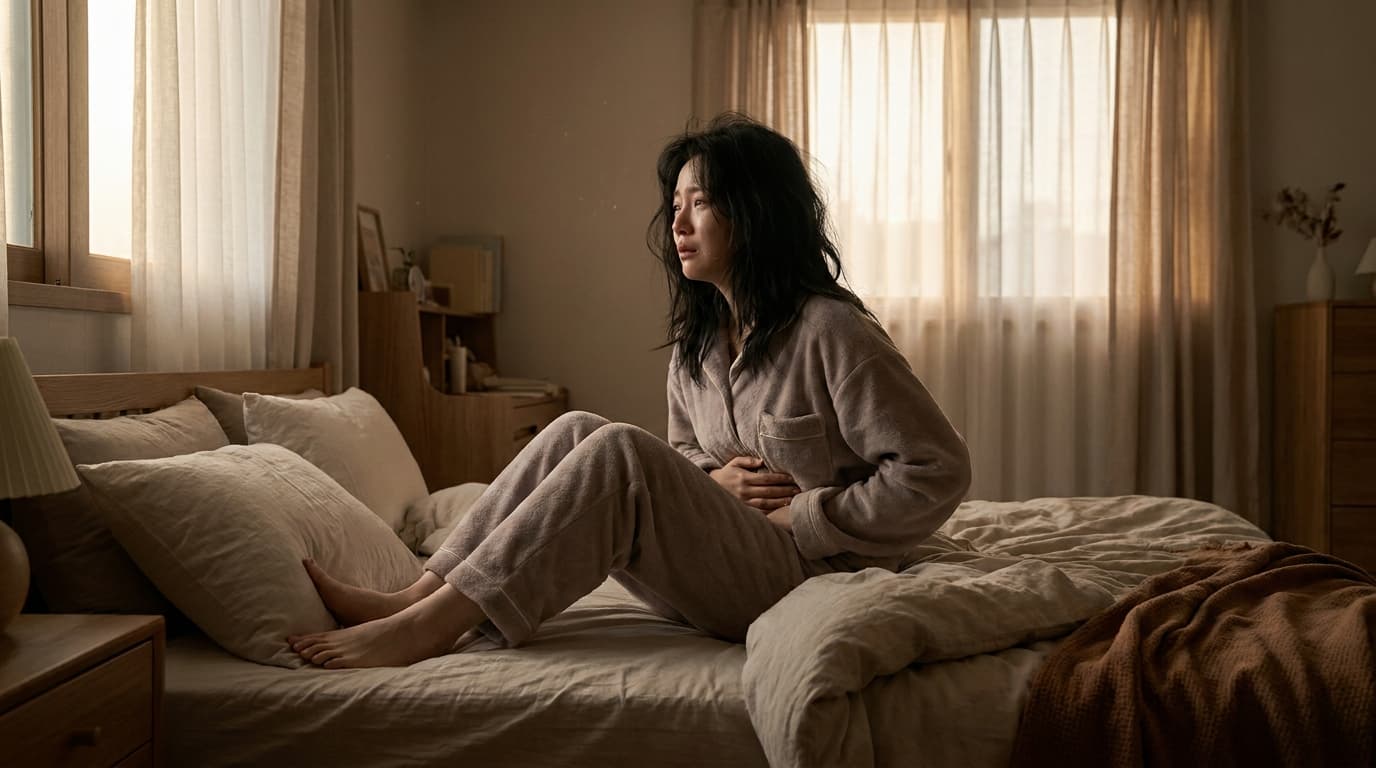
Why Do Miscarriages Keep Happening Could It Be Habitual Miscarriage Break the Cycle of Pain
Hello, this is Dalimchae Korean Medicine Clinic. # Why Do Miscarriages Keep Happening Could It Be Habitual Miscarriage Break the Cycle of Pain "Why do miscarriages keep happening?" This question carries deep sadness and frustration beyond mere physical pain. When a baby after a long wait leaves repeatedly, parents' hearts break endlessly. Especially approaching the late 30s, worries about another possible miscarriage grow along with body changes. Dalimchae Korean Medicine Clinic deeply empathizes with the fear of facing the same pain again. 💡 **[Core Answer]** **Top 3 Most Common Causes of Habitual Miscarriage:** ① Uterine environment and ovarian function decline / ② Implantation and blood coagulation abnormalities / ③ Immunological imbalance Dalimchae Korean Medicine Clinic uses **constitutional improvement treatment** to find the root cause of recurrent miscarriages, making the uterus healthy and increasing pregnancy maintenance capacity. ## Recurrent Miscarriages May Be a Signal from Your Body One or two miscarriages can happen to anyone, but 2 or more consecutive miscarriages are diagnosed as 'recurrent miscarriage' or 'habitual miscarriage'. This is a clear warning light from our body, not just bad luck. Many people experience repeated miscarriages even when tests show no special abnormalities or despite Western medical treatments. In such cases, it is important to closely examine whether the uterus is in a suitable environment to hold a baby and what your overall health status is from a Korean medicine perspective. ## Why Do Miscarriages Keep Happening Causes from Korean Medicine Habitual miscarriage is caused by a complex interplay of various factors. While Western medicine points to chromosomal abnormalities, uterine structural abnormalities, thrombophilia, and endocrine abnormalities, about 50% of cases show miscarriages repeating even with 'normal' ratings in all these tests. Korean medicine views the core issue as overall body imbalance embracing these causes: instability of the uterine environment and reduced pregnancy maintenance capacity. Key Korean medicine causes include: * **Lower Abdominal Coldness and Reduced Blood Circulation:** Inadequate blood circulation to the uterus and ovaries prevents the endometrial lining from thickening sufficiently and reduces implantation capacity. * **Blood Stasis (Eolhye):** Stagnant turbid blood in the body that hinders microcirculation in the uterus, making implantation difficult or hindering early embryonic growth. * **Qi and Blood Deficiency:** Insufficient systemic energy and blood weakens the uterus's ability to stably hold and maintain a baby. * **Liver Depression (Ganul) and Heart Heat:** Stress and anxiety disrupt autonomic nervous system balance, causing uterine tension and negatively affecting the implantation environment. Dalimchae Korean Medicine Clinic Songdo branch focuses on improving overall body condition surrounding the uterus and ovaries through specialized treatment to create the optimal physical state for the next pregnancy. ## How Can Korean Medicine Help Based on Recent Clinical Research? Korean medicine treatment for recurrent miscarriage has proven effective in improving the uterine environment and increasing pregnancy maintenance capacity. A 2021 study published in the 'Journal of Ethnopharmacology' analyzed the effectiveness of herbal medicine treatment in patients with habitual miscarriage. It confirmed that the herbal treatment group showed a statistically significant improvement in pregnancy success rates. This meta-analysis included 14 randomized controlled trials (RCTs) and cohort studies involving 2,139 patients, concluding that herbal medicine improves endometrial receptivity and strengthens immune regulation. Furthermore, a domestic study published in 2022 in the 'Journal of Korean Obstetrics and Gynecology' evaluated 82 women with a history of recurrent miscarriage who received customized herbal medicine treatment for 6 months. The miscarriage rate in subsequent pregnancies significantly decreased from 60% before treatment to 25% after treatment (p\<0.01). Researchers analyzed that herbal medicine contributed to improving endometrial thickness and blood flow, which are crucial for implantation. ## Symptom Checklist: Should You Suspect Habitual Miscarriage? If 3 or more of the following apply, suspect habitual miscarriage. If 5 or more, immediate expert consultation is recommended: * Experienced 2 or more consecutive miscarriages. * Lower abdomen feels cold or hands/feet are chilly. * Irregular menstrual cycles or severe menstrual cramps. * Digestive upset or sensitivity when stressed. * Facial flushing or heat rising to the upper body. * Frequent fatigue and lack of energy. * Inadequate postpartum recovery after past miscarriages. * Planning pregnancy at late 30s or older. ## FAQ **Q. How long should I wait before trying to conceive again after a recurrent miscarriage?** A. Generally, it is recommended to wait 2 to 3 menstrual cycles after a miscarriage before trying again. **Q. Can habitual miscarriage be treated fundamentally with Korean medicine?** A. Yes, it is possible. Korean medicine addresses overall bodily imbalance, strengthening uterine and ovarian function, managing stress, and improving circulation. --- Medical Review | Women and Pregnancy Care Standards, Dalimchae Korean Medicine Clinic Songdo Branch, Korean Medicine Doctor Oh Hyunmin (Recurrent Miscarriage Column)