
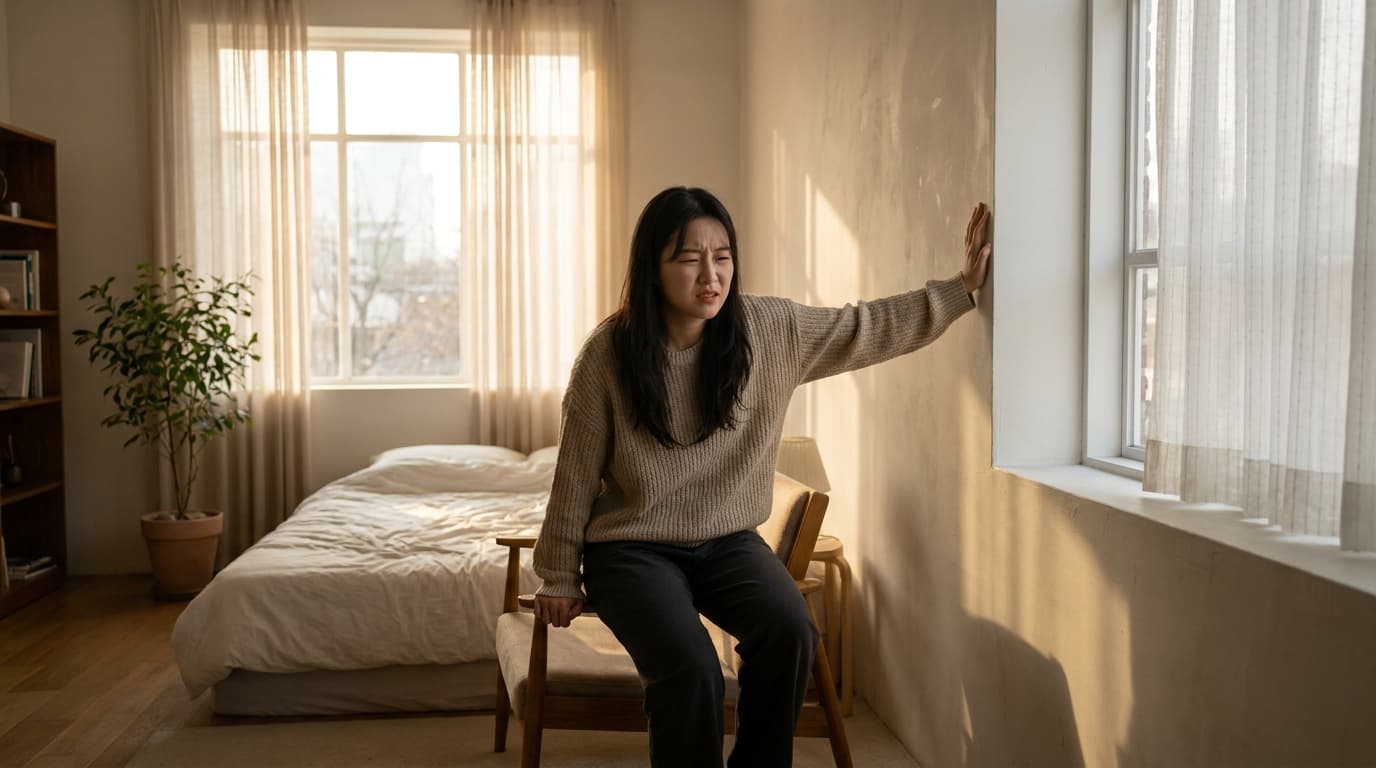
Symptoms When Turning Head Feeling Dizzy May Not Be Simple Anemia
Hello, this is Dalimchae Korean Medicine Clinic. # Symptoms When Turning Head Feeling Dizzy May Not Be Simple Anemia Are you experiencing dizziness where your eyes spin every time you turn your head or get up in the morning? Many people dismiss this as simple anemia or fatigue. However, this symptom of feeling dizzy when turning your head can be an important signal from your body. Dizziness is common, affecting about 1 in 10 people, and manifests in various ways such as lightheadedness, spinning sensations, and unsteadiness. 💡 **Key Answer** The 3 most common causes of feeling dizzy when turning your head: ① Autonomic nervous system imbalance / ② BPPV (Benign Paroxysmal Positional Vertigo) / ③ Cervicogenic dizziness Dalimchae Korean Medicine Clinic resolves the root cause of dizziness through autonomic stabilization treatment, which calms excessive nervous system excitement and restores body balance. ## Why does feeling dizzy when turning your head occur? Dizziness when turning the head can arise from various causes, indicating issues in systems responsible for balance. These include inner ear balance organ issues (BPPV), neck muscle or nerve issues (cervicogenic dizziness), and brain function / autonomic instability. Chronic stress and overwork especially disrupt autonomic balance, causing dizziness, headaches, fatigue, and insomnia. ### What is the relationship between dizziness and the autonomic nervous system? The autonomic nervous system unconsciously controls vital functions such as heart rate, respiration, blood pressure, and body temperature. The balance between sympathetic and parasympathetic nerves is crucial, and chronic stress, fatigue, or irregular habits can break this balance, leading to autonomic imbalance. Autonomic imbalance presents as dizziness, palpitations, anxiety, headaches, and indigestion, often without clear abnormalities on standard tests. ## How does Korean medicine approach dizziness treatment? Dalimchae Clinic focuses on restoring body balance and finding root causes rather than just symptom relief. Particularly for dizziness caused by autonomic instability, calming excessive neural excitement and creating an environment where the brain can rest is essential. According to a systematic review and meta-analysis published in Journal of Ethnopharmacology (2022) analyzing 35 randomized controlled trials with 3,862 participants on herbal medicine treatments for Cervicogenic Dizziness (CGD), combining herbal medicine with conventional treatments (anti-dizziness drugs, manual therapy, acupuncture) was more effective than conventional treatment alone. Especially, the combination of herbal medicine, manual therapy, and acupuncture showed the most reliable effects without serious adverse events. This supports Dalimchae's multi-modal Korean medicine approach combining herbal medicine, acupuncture, pharmacopuncture, and Chuna therapy. Furthermore, a 2025 case report in Journal of Korean Medicine demonstrated that thread-embedding acupuncture and integrative Korean medicine significantly improved dizziness and autonomic imbalance symptoms. ### Principles of Dalimchae's Autonomic Stabilization Treatment When autonomic balance is disrupted, the brain cannot rest and becomes overly excited, causing dizziness, headaches, tinnitus, and insomnia. Dalimchae's treatment focuses on lowering neural heat and creating a resting environment for the brain, known in Korean medicine as 'Water Up, Fire Down' (水昇火降). This stabilizes hyperactive sympathetic nerves, promotes parasympathetic activity, and restores self-healing power. ## Are you also experiencing autonomic dizziness? Symptom Checklist If you check 3 or more of the following symptoms, you may suspect autonomic dizziness: * Sudden dizziness when standing up or turning your head. * Severe fatigue that does not resolve with adequate rest. * Frequent heart palpitations and chest tightness. * Unexplained anxiety or nervousness. * Indigestion, abdominal discomfort, or irritable bowel symptoms. * Poor sleep quality, difficulty falling asleep, or frequent waking. * Cold hands and feet or excessive sweating. * Unclear head, frequent headaches or migraines. * Accompanied by tinnitus or ear fullness. **3-4 items:** Suspected early-stage autonomic imbalance -> lifestyle improvement and detailed examination recommended. **5+ items:** Advanced autonomic imbalance -> immediate evaluation of Dalimchae's complex Korean medicine treatment. ## FAQ: Frequently Asked Questions about Dizziness **Q. Can dizziness when turning the head resolve naturally?** A. Mild dizziness from temporary fatigue or poor condition can improve with adequate rest. However, if symptoms repeat or are accompanied by other signs, professional evaluation is recommended. **Q. Can dizziness be treated with Korean medicine?** A. Yes, Korean medicine provides customized treatments based on pattern differentiation of root causes. Herbal medicine, acupuncture, pharmacopuncture, and Chuna therapy are effective for autonomic imbalance, circulatory disorders, and neck issues. **Q. Can BPPV and autonomic dizziness be treated together?** A. Yes, Dalimchae establishes a comprehensive treatment plan considering multiple root causes to improve concurrent symptoms together. **Q. How long is the treatment period at the Incheon branch?** A. The duration varies depending on the cause, severity, and health status, typically improving progressively over weeks to months with consistent treatment and lifestyle care. Dizziness when turning your head is not something to endure. Dalimchae Korean Medicine Clinic will help you find the root cause. Where life blooms. Herbal medicine is Dalimchae. Check your symptoms first with Dalimchae's homepage AI consultation! Medical Review | Brain & Autonomic Nervous System Standards, Dalimchae Korean Medicine Clinic Incheon Branch, Korean Medicine Doctor Yang Yu-chan