
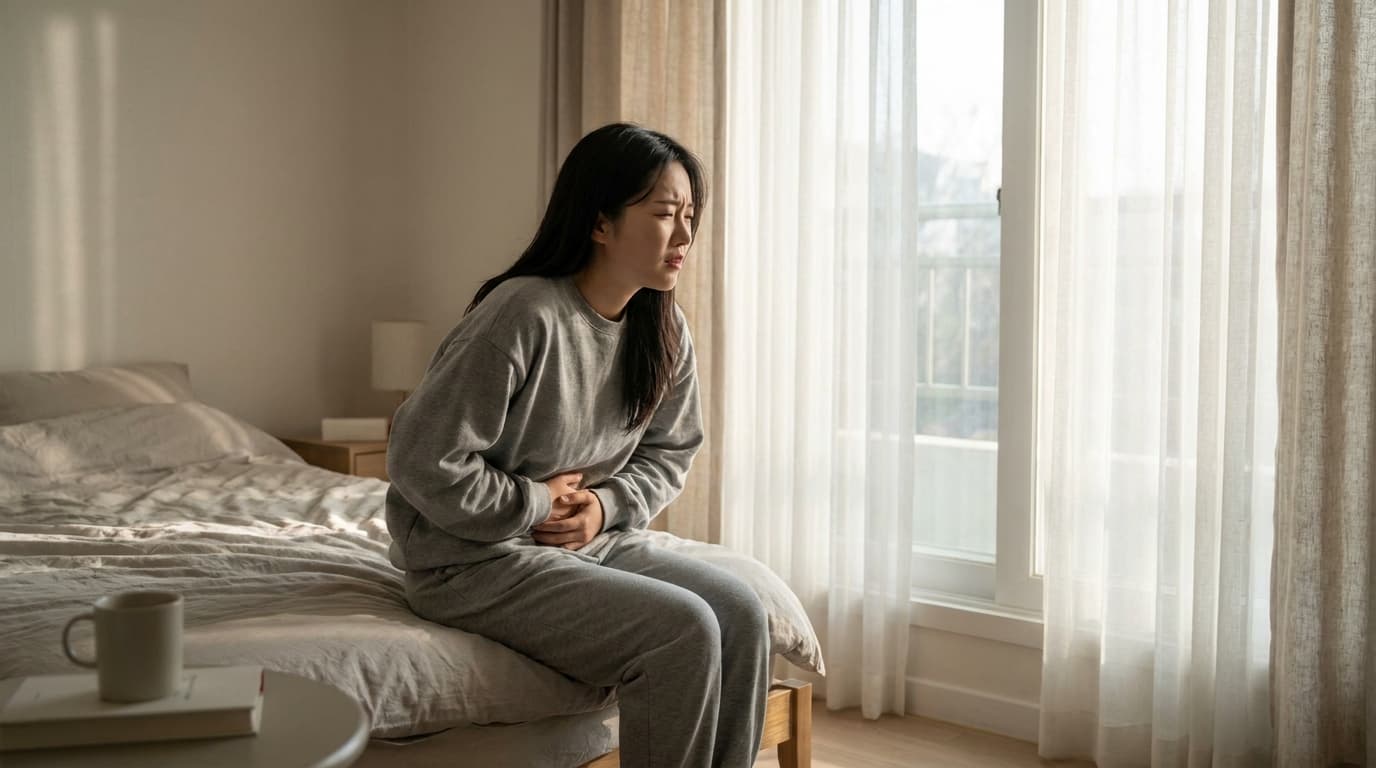
Should we get endometriosis surgery Escaping pain and recurrence with non-surgical Korean medicine treatment
Hello, this is Dalimchae Korean Medicine Clinic. # Should we get endometriosis surgery Escaping pain and recurrence with non-surgical Korean medicine treatment "I was diagnosed with endometriosis, should I have surgery right now?", "I am suffering from severe menstrual cramps every month making daily life impossible.", "I am preparing for pregnancy and feeling very anxious because of endometriosis." Endometriosis is common enough to appear in 10~15% of women of childbearing age, but it causes chronic pain and infertility, making many people suffer. In particular, once it develops, recurrence is frequent, leaving patients suffering from anxiety about when pain will strike again. If you are exhausted by pain and anxiety caused by endometriosis, is surgery truly the only professional solution? Songdo Endometriosis Korean Medicine Clinic, Dalimchae Korean Medicine Clinic, offers a fundamental solution through Korean medicine treatment that relieves pain and prevents recurrence without surgery. 💡 **Key Answer** 3 most common causes of endometriosis surgery: ① 'Ectopic' occurrence where endometrial tissue grows outside the uterus such as ovaries and peritoneum ② Immune system disturbance and chronic inflammatory response ③ Blood circulation disorder called 'Eohyeol (瘀血)' in Korean medicine and autonomic imbalance Dalimchae Korean Medicine Clinic aims to relieve endometriosis pain and prevent recurrence by restoring autonomic balance, enhancing body resilience, and removing Eohyeol. ## Why does endometriosis occur Understanding the root cause is important. Endometriosis is a condition where endometrial tissue that should be inside the uterus attaches and proliferates in other organs outside the uterus, such as ovaries, fallopian tubes, or peritoneum. This ectopic endometrial tissue also proliferates, sheds, and bleeds according to the menstrual cycle. The problem is that this blood cannot be discharged out of the body and causes inflammation and pain in surrounding tissues. Although modern medicine has not yet clearly identified the cause of endometriosis, Korean medicine does not view it merely as a problem of uterine tissue. It is understood as a signal occurring when the overall balance of our body collapses. In particular, internal environmental changes such as autonomic nervous system imbalance and Eohyeol (瘀血) hindering blood circulation are considered deeply involved in the occurrence and aggravation of endometriosis. When the autonomic nervous system is disturbed by stress and overwork, immunity decreases and a chronic inflammatory state is easily maintained, which can further promote the growth of endometriosis lesions. ## How much can endometriosis pain be improved with Korean medicine treatment? One of the hardest symptoms for endometriosis patients is pain. Appearing in various forms such as severe menstrual cramps, chronic pelvic pain, and dyspareunia, pain seriously degrades quality of daily life. Songdo Korean Medicine Clinic, Dalimchae Korean Medicine Clinic, proposes Korean medicine treatment based on autonomic stability to break this vicious cycle of pain. In a study published by Chen et al. in the Journal of Clinical Medicine in 2022, the effectiveness of acupuncture treatment for endometriosis-related pain was systematically analyzed. This study was a meta-analysis of 10 clinical studies with 720 endometriosis patients, reporting that acupuncture treatment significantly reduced dysmenorrhea caused by endometriosis. In particular, the standardized mean difference was -1.02 (95% CI: -1.41 to -0.63, p \< 0.0001), suggesting that acupuncture treatment is a very effective complementary therapy for pain relief. The researchers concluded that acupuncture contributes to modulating inflammatory responses, improving uterine blood flow, and activating pain control pathways in the nervous system. Based on these data, Dalimchae Korean Medicine Clinic effectively manages endometriosis pain through acupuncture treatment that restores autonomic nervous system balance, raises pain threshold, and modulates inflammatory responses. ## Can endometriosis recurrence be prevented without surgery? Surgery is an effective method to remove endometriosis lesions, but high recurrence rate is a problem. It is known that about 50% of patients experience recurrence within 5 years even after surgery. This suggests that endometriosis is not a simple local disease but is related to whole body balance problems. A study by Li et al. published in Evidence-Based Complementary and Alternative Medicine in 2021 is a systematic review and meta-analysis analyzing the efficacy and safety of herbal medicine treatment for endometriosis. In this study involving 21 randomized controlled trials and 2,015 patients, herbal medicine treatment not only improved menstrual cramps (SMD: -0.98, 95% CI: -1.35 to -0.60, p \< 0.00001), but also significantly reduced recurrence rate during the follow-up period compared to conventional treatments. The researchers concluded that herbal medicine can be an effective alternative or adjunct therapy to relieve endometriosis pain and prevent recurrence through multiple mechanisms such as immune modulation, inflammation suppression, and blood circulation improvement. Dalimchae Korean Medicine Clinic focuses on treatment to prevent endometriosis recurrence by paying attention to these research results. Autonomic stabilization treatment relaxes excessively hyperactive sympathetic nerves and increases parasympathetic nerve activity to strengthen the body's natural healing power. Lowering heat in the nervous system and creating an environment where the brain can rest—called Suseungwhagang (水昇火降) in Korean medicine—goes beyond simply suppressing symptoms, fostering the power of the body itself to manage lesions and prevent recurrence. Through this, it can also have a positive effect on infertility problems caused by endometriosis. ## Is your body's autonomic nervous system healthy? Endometriosis self-checklist Check how many of the following questions apply to you. * 1. Menstrual cramps are not controlled by painkillers and interfere with daily life. * 2. Lower abdomen aches and feels uncomfortable even when it is not menstruation period. * 3. Suffering from chronic fatigue and stress. * 4. Frequent stomach problems such as indigestion, constipation, or diarrhea. * 5. Sleep quality is poor, such as difficulty falling asleep or waking up frequently. * 6. Mood changes are severe and easy to become sensitive. * 7. Hands and feet are cold or feel poor blood circulation. * 8. Dizziness or headaches frequently occur without special reason. **Criteria:** * **If 3 or more apply:** High possibility of endometriosis aggravation due to autonomic imbalance → Consider Songdo endometriosis Korean medicine clinic complex Korean medicine treatment * **If 5 or more apply:** Immediate autonomic examination and professional treatment needed to recover body health → Recommend visiting Dalimchae Korean Medicine Clinic ## FAQ – Frequently Asked Questions about Endometriosis **Q. Does endometriosis affect pregnancy?** A. Yes, endometriosis causes fallopian tube adhesion, ovarian function decline, and intra-abdominal environment changes, making it one of the main causes of infertility. When experiencing infertility along with pain, treating endometriosis can increase pregnancy probability. **Q. Can endometriosis pain improve without painkillers?** A. Korean medicine treatment helps relieve pain by reducing inflammation and improving blood circulation around the uterus. By restoring autonomic balance to raise pain threshold and building the body's own power to control pain, you can reduce painkiller dependency. **Q. Can endometriosis be managed after treatment?** A. Endometriosis is a chronic disease with frequent recurrence, so it is important to approach it with the concept of 'management' rather than 'post-treatment management'. Korean medicine treatment helps maintain a healthy life with endometriosis by controlling pain, lowering recurrence rate, and improving overall women's health. **Q. Can endometriosis, menstrual cramps, and chronic pelvic pain be treated together?** A. Yes, endometriosis is often accompanied by severe menstrual cramps and chronic pelvic pain. Dalimchae Korean Medicine Clinic's autonomic stabilization and Eohyeol removal treatment are effective in resolving the root cause of endometriosis while simultaneously improving menstrual cramps and chronic pelvic pain symptoms caused by it. Endometriosis is not a problem solved by enduring. You no longer need to turn away from the signals your body has been sending for a long time. If you approach in the right direction, your body reacts faster than you think. Bring the symptoms you are experiencing as they are. Dalimchae Korean Medicine Clinic will find the cause together. Where life blooms. Herbal medicine is Dalimchae Korean Medicine Clinic. Check similar symptoms to yours first through AI consultation on the Dalimchae Korean Medicine Clinic website! This article is health information organized together by Dalimchae medical staff based on questions actually received often in the consultation room. Medical Supervision | Women and Pregnancy Treatment Standard Dalimchae Korean Medicine Clinic Songdo Branch Korean Medicine Doctor Oh Hyun-min (Endometriosis Column)