
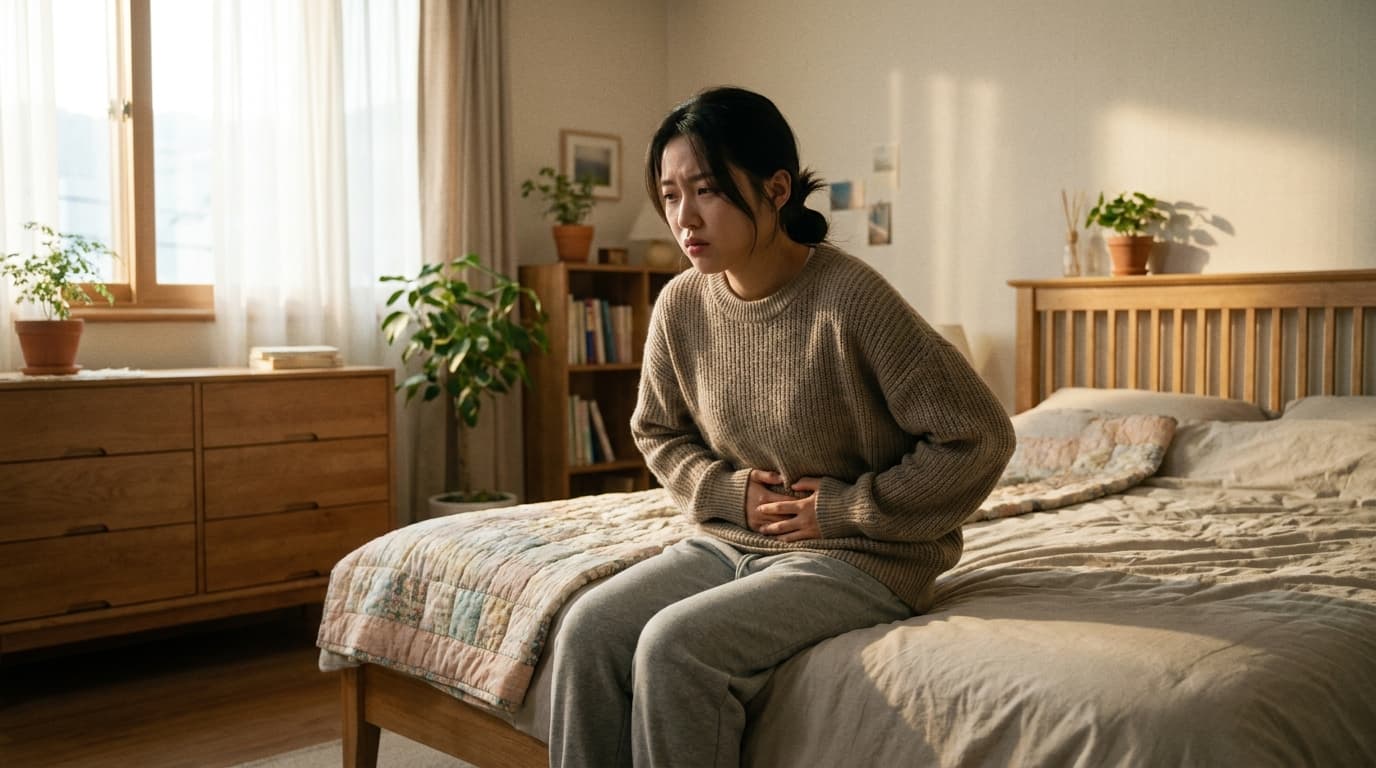
Should I Just Go to a Postpartum Care Center? Refill Your Post-Childbirth Body with Herbal Medicine.
Hello. This is Dalimchae Korean Medicine Clinic. # Should I Just Go to a Postpartum Care Center? Refill Your Post-Childbirth Body with Herbal Medicine. Giving birth to and bringing a new life into the world is the most noble act in the world. However, a mother's body pays a high price for it. If you are asking yourself, "My body is so exhausted after childbirth, is a postpartum care center enough?", you are receiving completely normal bodily signals. After childbirth, joints relax and qi and blood are greatly consumed, making it easy for pain and discomfort to appear throughout the body. While sufficient rest and nutrition are important, regaining the body's self-healing power is paramount. Beyond simple recovery, the postpartum period is the exact opportunity to build a body healthier than before. 💡 **[Key Answer]** **3 most common causes of "Should I just go to a postpartum care center?":** ① Extreme **qi and blood damage** and **blood stasis stagnation** during the birth process ② Occurrence of **sanhupung (postpartum wind syndrome)** due to relaxed joints and weakened muscles ③ **Autonomic nervous system imbalance** due to childcare stress and sleep deprivation Dalimchae Clinic provides fundamental treatment to strengthen the body weakened after childbirth by treating the root cause through **constitutional improvement**. --- ## Why do bodily warning signs appear after childbirth? Childbirth brings profound changes to a woman's body. Carrying a baby for about 10 months and going through the delivery process heavily consumes and changes the body. In particular, relaxed joints and ligaments due to the relaxin hormone increased during pregnancy, and qi and blood damage from excessive pushing during delivery, become major causes of various postpartum symptoms. In Korean medicine, a mother's body after childbirth is considered to be in a state of 'daheodaeo (多虛多瘀)'—a state lacking qi and blood with abundant blood stasis. If body care is not properly done during this period, it can lead to chronic postpartum diseases such as sanhupung. **Q. Is postpartum care at a postpartum care center alone insufficient?** A. Postpartum care centers play a crucial role in allowing mothers to get sufficient rest and receive support for newborn care. However, fundamental bodily recovery, stamina reinforcement, and customized management according to each individual's birth process and constitution can be greatly aided by Korean medicine treatment. Beyond simple rest, the core of traditional Korean postpartum care is helping the body recover on its own and prepare for the next stage of health. ## By what principle does postpartum herbal medicine restore a mother's body? In Korean medicine, postpartum herbal medicine is not simply a 'tonic', but is prescribed step-by-step according to the recovery stages of the body after childbirth. First, it helps discharge blood stasis (瘀血)—stagnant waste blood generated during the delivery process—out of the body so that the uterus can recover quickly and lochia (惡露) can be smoothly discharged. Second, it replenishes depleted qi and blood (氣血) from delivery to restore overall energy and strengthen immunity. In particular, it helps improve postpartum dizziness, cold sweats, edema, and fatigue. Third, it strengthens relaxed joints and muscles and alleviates sanhupung symptoms so that mothers can return to a healthy daily life without pain. In a study published in the 2026 J Pharmacopuncture journal by a research team from Dongguk University and Pusan National University, mothers' satisfaction and perceived effects of taking postpartum herbal medicine were investigated. In this study of 68 mothers, 76.47% were satisfied with taking postpartum herbal medicine, and particularly over 50% reported improvement in symptoms such as sanhupung, weight gain, and delayed lochia discharge. This suggests that postpartum herbal medicine can have a positive effect on improving mothers' subjective health status. According to another systematic literature review by a research team from Gachon University and Pusan National University published in the Healthcare (Basel) journal in 2023, analyzing 9 randomized controlled trials (RCTs) involving 652 pain patients suffering from Sanhupung, herbal medicine alone or in combination therapy significantly improved Visual Analog Scale (VAS) scores, total effective rate, Korean medicine syndrome scores, Oswestry Disability Index (ODI), and Quality of Life (QoL). The researchers concluded that herbal medicine treatment helps improve pain and other systemic symptoms in sanhupung patients, and that safe Korean medicine is reliable. These clinical data show that Korean medicine treatment during the postpartum care period is not a mere folk remedy, but contributes to mothers' physical recovery and quality of life enhancement based on scientific evidence. Dalimchae Clinic Songdo Branch helps mothers recover quickly and healthily through herbal medicine prescriptions optimized for each mother's constitution and symptoms based on these research results. ## The Core of Postpartum Recovery: 'Constitutional Improvement' to Rebuild the Body Dalimchae Clinic considers 'constitutional improvement'—creating a body where symptoms do not recur rather than just putting them out—as the core principle of postpartum care. After childbirth, hormonal changes, qi and blood depletion, and parenting stress combine to easily break body balance. These imbalances manifest as various postpartum symptoms such as sanhupung, edema, depression, and hair loss. Our Dalimchae Clinic Songdo Branch prescribes customized herbal medicine comprehensively considering each mother's current physical condition, birth method, breastfeeding status, and constitution. Starting with removing blood stasis and replenishing qi and blood, we alleviate joint pain or coldness caused by sanhupung and help build a stronger and healthier body than before pregnancy. For example, prescriptions aiding lochia discharge are applied to blood-stasis-type mothers, while blood-enriching prescriptions improving fatigue and dizziness are applied to qi-and-blood-deficiency-type mothers. This process goes beyond simple recovery to strengthen immunity and lay the foundation for maintaining healthy living thereafter. If you are looking for a Songdo postpartum Korean medicine clinic because your body is exhausted after childbirth, start your personalized postpartum care at Dalimchae Clinic. ## Let's Check How Well Your Postpartum Recovery is Progressing Are you experiencing any of the following symptoms? If 3 or more apply, it is time to listen to the signals your body is sending. **Postpartum Recovery Checklist** 1. Lochia continues even after 6 weeks postpartum, or volume is heavy and clotted. 2. Joint pain in wrists, knees, lower back, etc., is severe with cold or tingling sensations. 3. The entire body is swollen and heavy, with systemic weakness and easy fatigue. 4. Sleep at night is unrefreshing, accompanied by irritability or depressive feelings. 5. Sweating increases or cold sweats occur frequently, making you exceptionally vulnerable to cold wind. 6. Appetite is poor, digestion is difficult, and dizziness occurs frequently. 7. Mastitis frequently occurs during breastfeeding, or milk secretion is not smooth. 8. Hair loss is much heavier and hair feels more brittle than before childbirth. **Judgment Criteria:** * **3 or more items apply:** Postpartum qi and blood recovery is sluggish or sanhupung can be suspected. It is advisable to accurately diagnose your current physical condition through Korean medicine consultation and start necessary treatment. * **5 or more items apply:** Your body's recovery capacity is severely degraded. Immediate Korean medicine examination and treatment are needed to prevent escalation into more serious problems. --- ## FAQ: Frequently Asked Questions About Postpartum Herbal Medicine **Q. When is it best to start taking postpartum herbal medicine?** A. Generally, it is divided into taking it starting right after childbirth to clear blood stasis, followed by a stage to reinforce qi and blood once lochia settles. Since the optimal timing varies depending on personal birth methods (natural delivery, cesarean section) and recovery speed, it is important to decide through consultation with an oriental medicine doctor. **Q. Can I take postpartum herbal medicine while breastfeeding?** A. Yes, you can. Dalimchae Clinic carefully selects and prescribes only safe herbal ingredients that do not affect breast milk for breastfeeding mothers. In fact, herbal medicine often replenishes the mother's qi and blood and promotes smooth milk secretion, supporting healthy breastfeeding. **Q. Can sanhupung be treated with Korean medicine even if it is not diagnosed in Western medicine?** A. Sanhupung often lacks a clear diagnostic name in Western medicine or tests show 'normal'. However, in Korean medicine, it is viewed as a bodily imbalance caused by qi and blood damage and blood stasis stagnation after childbirth, and many mothers actually suffer from joint pain, coldness, and numbness. Dalimchae Clinic Songdo Branch provides accurate diagnosis and effective Korean medicine treatment based on abundant clinical experience with sanhupung symptoms. **Q. Is it good to combine a postpartum care center with herbal medicine treatment?** A. Getting sufficient rest at a postpartum care center while combining Korean medicine treatment yields even greater synergy. While the postpartum care center provides physical rest for the body, herbal medicine improves internal qi and blood circulation and enhances fundamental recovery power. This is an effective way to help postpartum recovery faster and more completely. --- The postpartum care period is a very important turning point where a woman's body prepares for the next life cycle, far beyond simply resting. If you approach the body weakened after childbirth with the right direction without ignoring it, the body responds faster than you think. Bring the discomforts and concerns you are currently experiencing just as they are. At Dalimchae Clinic, we will help you find the causes together and build an even healthier body than before. Where life blooms. For herbal medicine, it's Dalimchae Korean Medicine Clinic. Check symptoms similar to mine through the AI consultation on the Dalimchae Clinic website first! This article is health information compiled by Dalimchae medical staff based on questions frequently received in the treatment room. Medical Supervision | Women's & Pregnancy Care Standards Dalimchae Clinic Songdo Branch Korean Medicine Doctor Oh Hyunmin (Postpartum Care Column) #PostpartumCare #PostpartumHerbalMedicine #Sanhupung #Lochia #QiAndBloodReplenishment #SongdoPostpartumClinic #IncheonOrientalClinic #ConstitutionalImprovement Fertility - Pregnancy Preparation