
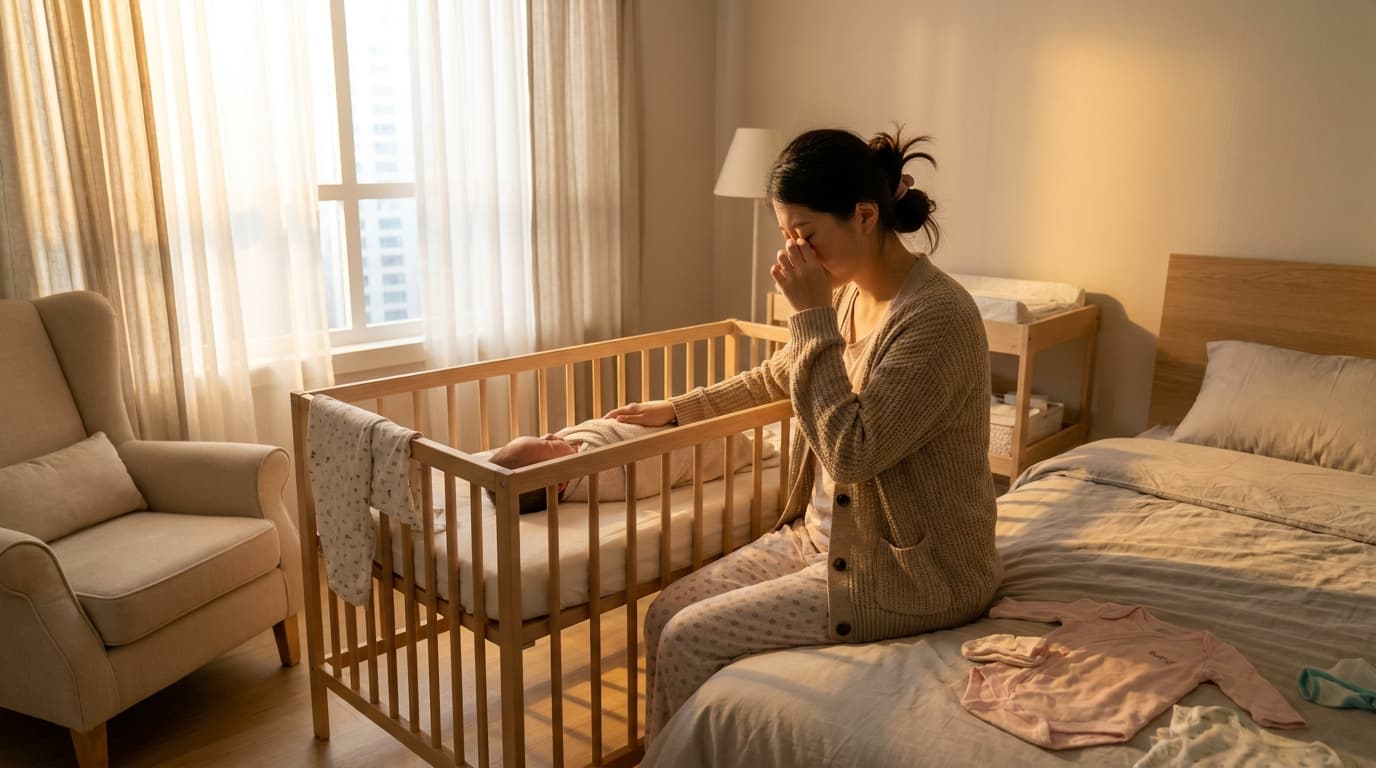
Postpartum Herbal Medicine When and How Should Postpartum Care Begin
Hello, this is Dalimchae Korean Medicine Clinic. # Postpartum Herbal Medicine: When and How Should Postpartum Care Begin? The birth of a new life brings boundless joy to the whole family, but the mother's body undergoes massive changes through the gigantic process of childbirth. After delivery, rapid hormonal changes and depletion of qi and blood easily break body balance, and whether recovery occurs during this period dictates lifelong health. Many mothers wonder, "When should I take postpartum herbal medicine?" and "How should I care for my body?" 💡 **[Core Answer]** Top 3 factors determining when to take postpartum herbal medicine: ① Mother's delivery method (natural birth vs. C-section) ② Current physical condition and accompanying symptoms (lochia, fatigue, pain, etc.) ③ Constitution and recovery stage according to oriental medicine diagnosis Dalimchae Korean Medicine Clinic supports healthy postpartum recovery through customized constitutional improvement treatment tailored to the mother's constitution and recovery stage. ## Why Is Postpartum Care Important After Childbirth? Childbirth profoundly affects a woman's body. The puerperium (6 to 8 weeks) is needed for the uterus, pelvis, relaxed ligaments, and joints enlarged during pregnancy to return to their original state. This period is a 'reset period' that goes beyond simple rest to replenish qi and blood depleted by pregnancy and childbirth and restore damaged physical functions. Without proper management during this time, mothers can suffer from various postpartum aftereffects such as postpartum wind (Sanhupung). Postpartum wind encompasses physical symptoms like joint pain, chilliness, cold sensation, numbness, as well as fatigue, perspiration, dizziness, and postpartum depression. According to Palmnews, it easily occurs when a weakened mother after childbirth fails to care adequately or is exposed to external cold qi. Particularly, relaxin hormone secreted during pregnancy loosens the pelvis and ligaments, making mothers vulnerable to postpartum wind. Therefore, postpartum care is a crucial process determining lifelong health. ## When Is the Best Time to Start Postpartum Herbal Medicine? The timing of postpartum herbal medicine varies depending on the delivery method and physical condition. Generally, for natural birth mothers, it is recommended right after delivery or the next day, while for C-section mothers, it is recommended 2-3 days or a week later when fasting ends and normal diet is possible. Oriental medicine divides postpartum recovery into two main stages. The first stage is 'lochia clearance'. From right after childbirth to about 10 days, focus is placed on discharging remaining lochia and waste in the uterus and promoting uterine contraction. Prescriptions of the Saenghwatang family are mainly utilized during this phase. A 2023 systematic review and meta-analysis by Song Ji-yoon and Kim Dong-chul analyzed the effects of Saenghwatang on delayed lochia and incomplete uterine involution, suggesting Saenghwatang positively affects early postpartum recovery. Once lochia and lower abdominal pain subside, it moves to the 'qi-blood reinforcement' stage. Focus shifts to replenishing depleted energy and blood, strengthening stretched joints and ligaments, and boosting immunity to prevent postpartum wind. Blood-enriching prescriptions like Bohheotang or Sibjeondaebo-tang are representative. Dalimchae Clinic Incheon Branch prescribes the most appropriate postpartum herbal medicine considering individual constitution, recovery speed, and breastfeeding status. ## What Makes Dalimchae Korean Medicine Clinic's Postpartum Herbal Medicine Special? Dalimchae's postpartum herbal medicine goes beyond simply tonifying the body; it focuses on 'constitutional improvement' creating an environment where the mother's body can recover healthily on its own. A systematic review published in 'Healthcare (Basel)' in October 2023 by Kwon Na-yeon et al. evaluated herbal medicine treatment for Sanhupung. Results from 9 RCTs involving 652 patients showed herbal medicine and concurrent treatment significantly improved VAS pain scores, total effective rate, oriental syndrome scores, ODI, and quality of life without serious adverse effects. Based on these research data, Dalimchae Clinic prevents postpartum wind and restores healthy bodies through fundamental constitutional improvement. Furthermore, herbs are carefully selected and prescribed so breastfeeding mothers can take them safely without affecting the baby. A December 2025 study on herbal medicine safety in the postpartum period observed 186 mothers, reporting only mild gastrointestinal symptoms in 2.2% and no serious adverse events, demonstrating safety. ## Postpartum Wind Prevention and Treatment Dalimchae Clinic reinforces weakened energy from childbirth, removes lochia for fast uterine recovery, strengthens stretched joints and ligaments, and promotes systemic circulation to alleviate coldness and numbness, combining acupuncture, moxibustion, and pharmacopuncture. ## Mother's Health Checklist * Achy or stinging pain in joints throughout the body after childbirth. * Achiness in wrists, knees, lower back, ankles. * Body easily turning cold, feeling chilliness even in warm environments. * Fatigue and lethargy much easier than before pregnancy. * Sweating profusely or frequent night sweats. * Difficulty falling asleep or frequent night awakenings. * Unexplained depression, sensitivity, anxiety. * Indigestion, bloating, constipation, frequent diarrhea. * Frequent dizziness and heart palpitations. **Judgment:** * **3 or fewer items:** General recovery process. Pay attention to lifestyle management and consult Dalimchae Clinic Incheon Branch. * **4-6 items:** Suspected postpartum wind. Consider active postpartum herbal medicine to prevent symptom worsening. * **7+ items:** Immediate diagnosis and treatment needed. Visit Dalimchae Clinic Incheon Branch promptly. ## FAQ **Q. Is postpartum herbal medicine mandatory?** A. It supports healthy recovery by replenishing depleted qi and blood and assisting uterine recovery. It helps prevent postpartum wind and improves breast milk quality. **Q. Can I take it while breastfeeding?** A. Yes, Dalimchae Clinic's postpartum herbal medicine is prescribed safely for breastfeeding mothers, enhancing mother's immunity and milk quality. **Q. How long should I take it?** A. Initial lochia clearance takes 1-2 weeks, and subsequent qi-blood reinforcement takes 1-3 months typically. Consult with an oriental doctor to set the optimal duration. **Q. Is it necessary after C-section?** A. Yes, C-section mothers also need postpartum herbal medicine to help blood loss recovery, abdominal pain relief, and uterine healing starting 2-3 days or when normal diet resumes. Where life blooms. Herbal medicine is Dalimchae Korean Medicine Clinic. Check your similar symptoms through Dalimchae website AI consultation! Medical Supervision | Women & Pregnancy Care Standard, Dalimchae Korean Medicine Clinic Incheon Branch Korean Medicine Doctor Yang Yuchan