
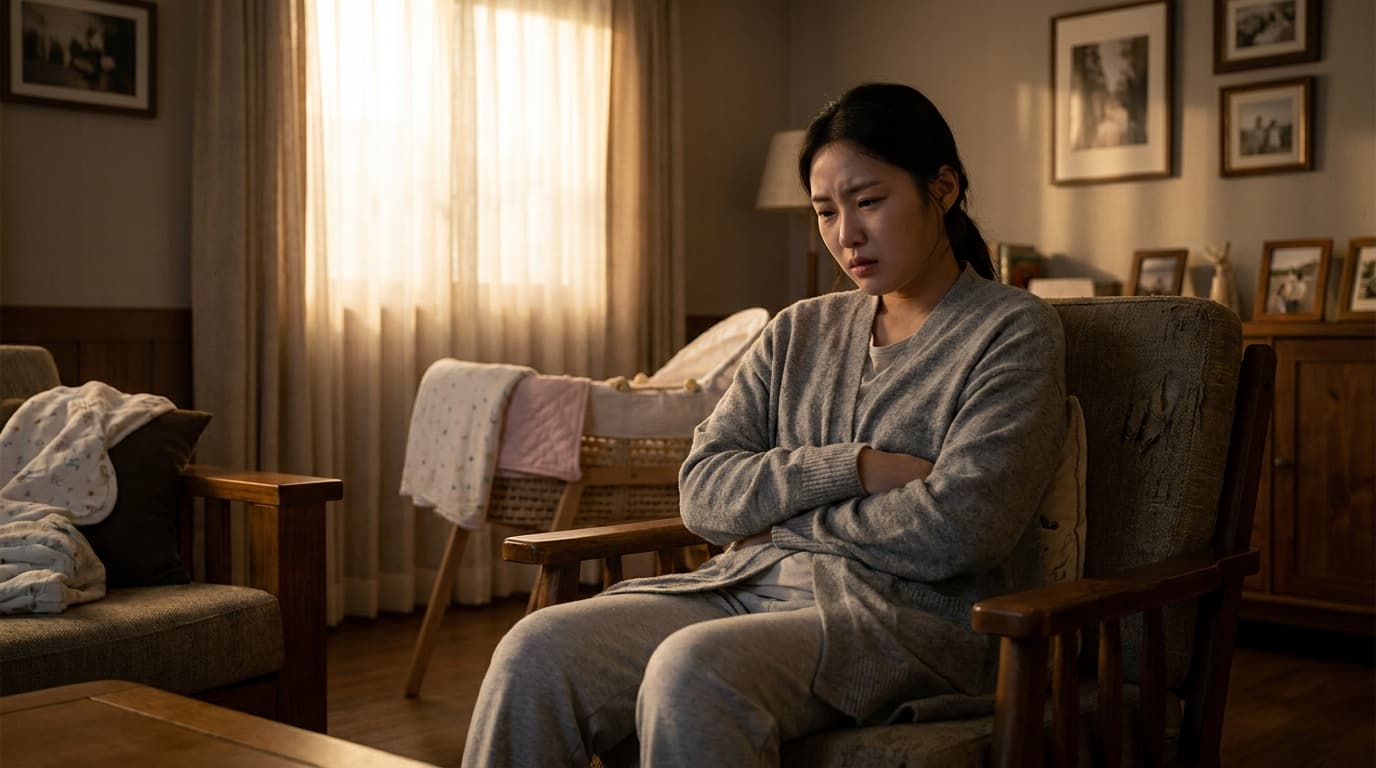
Postpartum Body Ache, Is It Postpartum Wind Syndrome or Simple Cold? Clear Distinction and Solutions
Postpartum Body Ache, Is It Postpartum Wind Syndrome or Simple Cold? Clear Distinction and Solutions Hello. This is Dalimchae Korean Medicine Clinic. # Shivering joint pain after childbirth, shivering to the bone from even a cold wind—postpartum wind syndrome, time for a change. The joy of meeting the baby is short-lived, and many mothers suffer from discomforts resembling body aches after childbirth. Whenever we hear appeals like "My postpartum body ache is so severe" or "My joints ache and it feels like a cold wind is entering," we want to resolve the question of whether this is simple fatigue or 'postpartum wind syndrome' which can become chronic if not properly managed. In today's column, we will explain in detail how to clearly understand various symptoms experienced after childbirth, how to distinguish simple body ache from postpartum wind syndrome, and wise management methods suited for them. 💡 **[Core Answer]** **Postpartum body ache, is it postpartum wind syndrome? Top 3 most common causes:** ① Qi and blood damage and physical decline during childbirth / ② Circulation disorder due to blood stasis (瘀血) stagnation / ③ Decreased postpartum immunity and external cold (寒氣) penetration Dalimchae Korean Medicine Clinic helps fundamental recovery of the body weakened by childbirth through constitutional improvement and prevents recurrence of postpartum wind syndrome symptoms. ## Postpartum body ache, how is it different from a simple cold and postpartum wind syndrome? Postpartum body ache symptoms can be largely divided into two categories. First is general cold or fatigue body ache due to decreased immunity, and second is 'postpartum wind syndrome' occurring during specific physical changes and recovery processes after childbirth. Simple cold body aches generally accompany respiratory symptoms such as fever, runny nose, and cough, and tend to gradually improve with sufficient rest. On the other hand, postpartum wind syndrome exhibits various symptoms across the entire body such as joint pain, chilliness, cold sensation, numbness, fatigue, dizziness, and excessive sweating, particularly showing severe pain in specific joints or sensitive reactions to cold air. Postpartum wind syndrome occurs when Qi and blood become weak due to excessive bleeding and energy consumption during childbirth, and blood stasis in the uterus is not properly discharged, causing blood circulation problems. In addition, relaxin hormone increased during pregnancy maintains joint relaxation even after childbirth, and when weak muscles and joints around joints are subjected to excessive activities from childcare and housework, pain can worsen. These complex factors act to cause stubborn discomfort of a different pattern from general body aches. ## Postpartum wind syndrome, why does it happen? Cause analysis from an oriental medicine perspective In oriental medicine, postpartum wind syndrome is viewed not as simple body ache, but as a complex symptom caused by external environment (cold, dampness) invading the weakened body after childbirth, or internal deficiency of Qi and blood and severe blood stasis stagnation. * Qi and blood deficiency (氣血虛弱): Childbirth is accompanied by tremendous energy and blood consumption. When the mother's energy and blood become deficient due to this, the function of the whole body decreases, and immunity weakens, making her easily feel pain even from small stimuli. * Blood stasis stagnation (瘀血停滯): If blood stasis, waste products remaining in the uterus after childbirth, is not properly discharged, it hinders blood circulation, becoming a major cause of systemic pain, edema, and cold sensation. * External cold-dampness (寒濕) invasion: When exposed to cold air or damp environment in a state where body temperature regulation ability is weakened after childbirth, it induces pain in joints and muscles and worsens chill symptoms. In particular, coldness and chill around joints are one of the representative symptoms of postpartum wind syndrome. This state also breaks the balance of the autonomic nervous system, disturbing sound sleep and aggravating fatigue. Dalimchae Korean Medicine Clinic Songdo Branch closely diagnoses the causes of postpartum wind syndrome from this oriental medicine perspective, and focuses on enhancing the body's fundamental resilience beyond simply suppressing symptoms. ## Postpartum wind syndrome, when should it not be left unattended? Core symptom checklist Postpartum wind syndrome has a better prognosis when treated early. It is known that treatment within 100 days after childbirth is most effective, and missing this period can cause symptoms to become chronic. If the following symptoms appear, it is recommended to suspect postpartum wind syndrome and consult an expert. **✅ Postpartum Wind Self-Diagnosis Checklist** * There is aching and sore pain in systemic joints (wrists, knees, lower back, shoulders, etc.) after childbirth. * Every time cold wind blows, you feel a shivering cold sensation specifically in your body. * Your body easily fatigues, and chronic fatigue persists despite sufficient rest. * Your chest feels stuffy and anxious, or depression frequently visits. * You frequently feel dizzy, hear ringing in your ears (tinnitus), or are accompanied by headaches. * You sweat a lot, or your skin has become dry, rough, and itchy. * Your hands and feet swell and feel numb, with a feeling of losing strength. * Digestion is poor, appetite is lost, and your stomach feels more bloated than usual. * You have sleep disturbances such as difficulty falling asleep at night or waking up frequently. **Judgment Criteria:** * **3 or more items apply:** Suspected postpartum wind syndrome. Oriental medicine treatment review for Qi and blood replenishment and circulation improvement is needed. * **5 or more items apply:** Active postpartum wind syndrome treatment is recommended. Begin body recovery before it's too late through professional diagnosis and treatment at Songdo Postpartum Wind Clinic, Dalimchae Korean Medicine Clinic Songdo Branch. ## Postpartum wind syndrome treatment, why is constitutional improvement important? Postpartum wind syndrome is not a temporary phenomenon due to childbirth, but a symptom appearing when the overall balance of the mother's body breaks down. Therefore, beyond simply alleviating pain, it is important to perform fundamental constitutional improvement so that the body recovers on its own and symptoms do not reappear. At Dalimchae Korean Medicine Clinic, the goal of constitutional improvement is not to turn off symptoms, but to create a healthy body that never turns off again. It replenishes weakened Qi and blood, removes blood stasis to smooth blood circulation, and raises lowered immunity to make the body strong against external stimuli. In this process, the balance of broken autonomic nerves is also restored, enabling joint management of physical symptom improvement as well as psychological difficulties such as postpartum depression. ### Scientific Evidence of Postpartum Wind Oriental Treatment: Paper Data The oriental medicine treatment for postpartum wind syndrome has its efficacy and safety proven through multiple studies. In a systematic review study published in PubMed in 2023, the effects of herbal medicine and combination treatment were analyzed targeting 652 postpartum wind patients participating in 9 randomized controlled trials (RCTs). As a result, visual analog scale (VAS scores) for pain, total efficiency rate, oriental syndrome symptom scores, Oswestry disability index, and quality of life scores significantly improved in the herbal medicine treatment group. The researchers concluded that these results suggest herbal medicine treatment has a positive effect on improving pain and other systemic symptoms, as well as quality of life in postpartum wind patients. In particular, all reported adverse events were mild and their incidence was not higher than the control group, confirming safety. Also, in the 2024 study "Research on the Development and Application of Korean Medicine Standard Clinical Pathway for Postpartum Wind" by Soo-In Hwang et al. conducted at Pusan National University, applying the Korean Medicine Standard Clinical Pathway (CP) to 30 postpartum wind patients visiting 2 medical institutions confirmed statistically significant symptom improvement after treatment. Comparing initial examination and 4 weeks later, statistically significant differences appeared in local myalgia (neck), local arthralgia (fingers, wrists, shoulders, lower back, pelvis, knees, ankles), systemic cold sensation, local cold sensation (knees), fatigue, sweating, and dizziness items (p\<0.05). Furthermore, Edinburgh Postnatal Depression Scale (EPDS) and quality of life index (EQ-5D-3L) scores also significantly improved. In this study, the average treatment period until initial symptoms improved by 50% was 19.96 days, showing that oriental medicine treatment is effective in improving postpartum wind symptoms. Based on these data, Dalimchae Korean Medicine Clinic Songdo Branch understands that postpartum wind syndrome is not a temporary pain appearing after childbirth, but a systemic symptom occurring when the fundamental balance of the body collapses. Therefore, beyond simple symptom relief, we focus on helping the body develop the power to recover on its own through customized constitutional improvement treatment considering each mother's constitution and health status. This serves as an important stepping stone for a quick return to a healthy and vibrant daily life after childbirth. ## How does Dalimchae Korean Medicine Clinic Songdo Branch treat postpartum wind syndrome? Dalimchae Korean Medicine Clinic Songdo Branch deeply understands the body of women after childbirth more than anyone. We do not just look at the painful area, but provide postpartum wind syndrome treatment optimized for the individual by considering the mother's overall health status, constitution, childbirth process, and current parenting environment. 1. **Customized herbal prescription:** Prescribes herbal medicine to replenish postpartum body Qi and blood, remove blood stasis, and restore broken autonomic nerve balance. We carefully select and formulate herbal ingredients for safe consumption by nursing mothers. In a 2026 study by Dr. Mi-Ju Sohn's research team at the Korea Institute of Oriental Medicine, prospective monitoring of the safety of herbal medicine intake in 186 postpartum women in a hospital-based postpartum care environment reported that adverse events among 822 prescriptions were only 0.6% and all were mild gastrointestinal symptoms with no serious adverse events, supporting the safety of postpartum herbal medicine. 2. **Acupuncture, moxibustion, and pharmacopuncture treatment:** Administers acupuncture treatment to painful joint areas and acupuncture points aiding Qi and blood circulation to alleviate pain and promote Qi and blood circulation. Moxibustion treatment dispels coldness from the body and warms it to help improve blood circulation. In addition, pharmacopuncture treatment directly injecting refined herbal ingredients acts faster and more effectively on inflammation relief and pain improvement. 3. **Lifestyle management and guidance:** Accompanies posture correction to reduce burden on joints during parenting, such as correct feeding posture and baby holding posture, along with diet and exercise guidance helpful for postpartum recovery to assist quick recovery. The goal of Dalimchae Korean Medicine Clinic is to help mothers struggling with postpartum body aches and postpartum wind syndrome regain healthy and vibrant daily lives through this oriental complex treatment. Many mothers in the Songdo area are experiencing healthy postpartum recovery at Dalimchae Korean Medicine Clinic Songdo Branch. --- **Q. When is the best time to treat postpartum wind syndrome?** A. It is most effective to start treatment for postpartum wind syndrome within 100 days after childbirth. Viewing this period as the 'golden time', active treatment helps prevent chronicity of symptoms and expect quick recovery. **Q. Can postpartum wind syndrome heal naturally?** A. Some mild symptoms may naturally improve over time, but postpartum wind syndrome often stems from body imbalance, so leaving it unattended can lead to chronicity or other postpartum sequelae. Especially since joint pain or cold sensation often worsens without proper treatment, receiving professional medical treatment is important. **Q. Can I take postpartum wind syndrome herbal medicine while breastfeeding?** A. Yes, it is possible. At Dalimchae Korean Medicine Clinic, we select and prescribe safe herbal ingredients that do not affect lactation for nursing mothers. Postpartum recovery can be aided through safe and healthy herbal medicine for both mother and baby. **Q. Is there a connection between postpartum wind syndrome and postpartum depression?** A. Physical discomfort and pain caused by postpartum wind syndrome can also affect the mother's mental health and worsen postpartum depression. Conversely, postpartum depression lowers the pain threshold and can make postpartum wind symptoms feel more severe, so managing both integrally is important. --- Postpartum body ache is not a problem to be solved by enduring. You no longer need to ignore the body's signals sent for a long time. When approached in the right direction, the body responds faster than you think. Bring the symptoms you are experiencing as they are. Dalimchae Korean Medicine Clinic will find the cause together. Where life blooms. Herbal medicine is naturally Dalimchae Korean Medicine Clinic. Check similar symptoms to yours first through Dalimchae Korean Medicine Clinic website AI consultation! Medical Supervision | Women & Pregnancy Treatment Standard, Dalimchae Korean Medicine Clinic Songdo Branch, Korean Medicine Doctor Oh Hyunmin (Postpartum Care Column)