
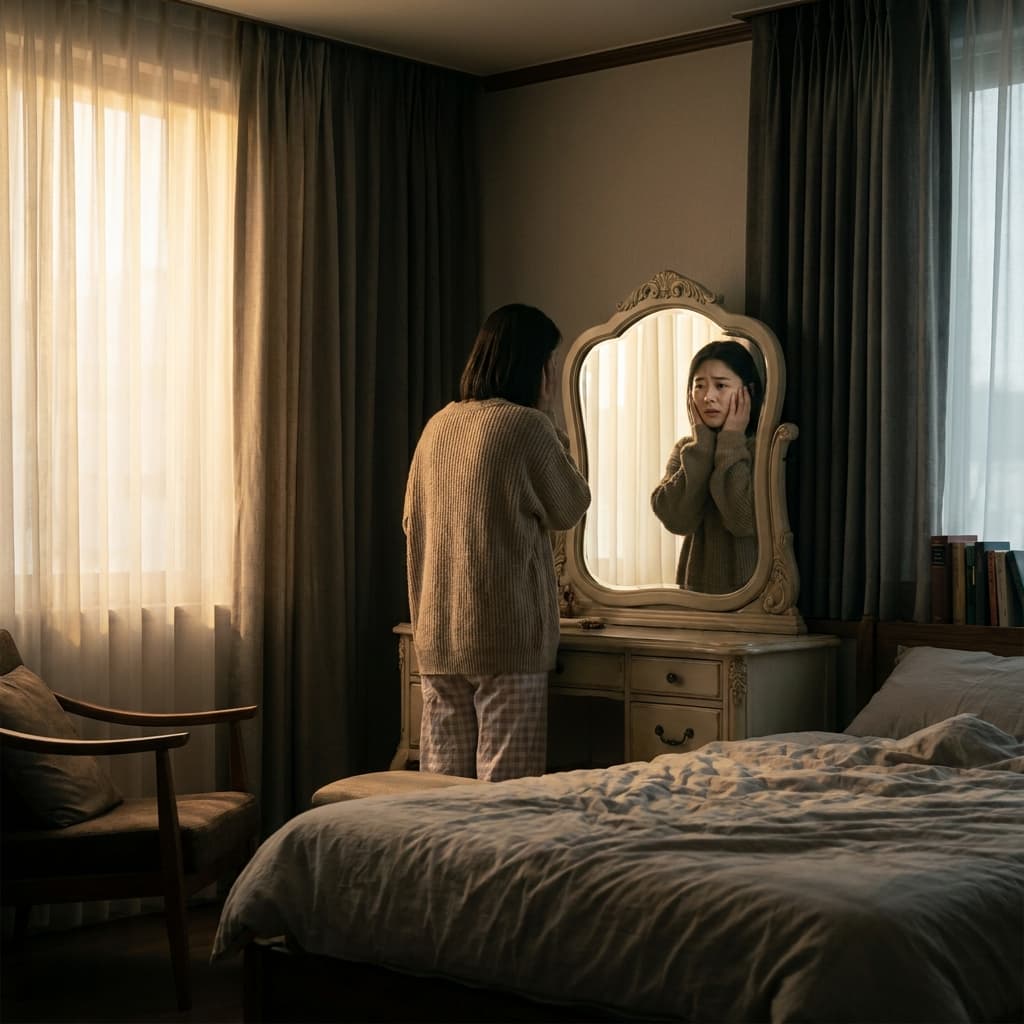
One Side of My Face Won't Move, Where Should I Go for Facial Paralysis?
Hello, this is Dalimchae Oriental Clinic. # One Side of My Face Won't Move, Where Should I Go for Facial Paralysis? If one day you look in the mirror and notice that one side of your face is not moving properly, you will likely feel a great sense of bewilderment and helplessness. Facial paralysis—where you spill water while drinking, cannot close your eye fully, or even find your smile awkward—causes serious inconvenience in daily life and impacts social interactions. Many people searching for hospitals due to facial paralysis wonder which department to visit and how to begin treatment, especially curious about whether Korean medicine or Western medicine is more effective, or if combining them is better. 💡 **[Key Answer]** **Top 3 causes of facial paralysis ("One side of my face won't move"):** ① Viral infection (Bell's palsy, Ramsay Hunt syndrome) / ② Decreased immunity and stress / ③ Central causes such as stroke. Dalimchae Oriental Clinic focuses on increasing facial nerve resilience and preventing recurrence through autonomic nerve stabilization treatment. ## Why Does Facial Paralysis Happen Suddenly? Facial paralysis occurs due to functional disorders of the facial nerve controlling facial muscles. The most common cause is idiopathic facial paralysis known as Bell's palsy, which occurs without a clear cause but is closely related to viral infections (such as herpes virus), decreased immunity, and excessive stress. Ramsay Hunt syndrome caused by the shingles virus is also an important cause. Additionally, facial nerve damage can result from brain diseases like stroke or trauma. These causes disrupt neural signal transmission to facial muscles; especially stress and decreased immunity induce autonomic imbalance, hindering facial nerve recovery. Incheon Facial Paralysis Korean Medicine Clinic views these complex causes integratively, focusing on building fundamental resilience beyond simple symptom relief. ## What Effects Can Korean Medicine Treatment Have on Facial Paralysis? Korean medicine treatment for facial paralysis utilizes acupuncture, pharmacopuncture, moxibustion, and herbal medicine to reduce inflammation around the facial nerve, improve blood circulation, and aid damaged nerve regeneration. In the early stages, minimizing sequelae through inflammation reduction, swelling reduction, and nerve regeneration promotion is crucial. A systematic review and meta-analysis published by Hu et al. in 2015 analyzed 14 randomized controlled trials (RCTs) involving 1,541 Bell's palsy patients. Results showed that acupuncture treatment significantly increased the effective response rate for Bell's palsy patients (relative risk 1.14; 95% confidence interval, 1.04–1.25; P = 0.005), indicating a statistically significant improvement compared to control groups. Researchers concluded that while acupuncture can be an effective treatment, caution in interpretation is needed due to heterogeneity and methodological limitations. Dalimchae Oriental Clinic provides refined acupuncture based on these scientific evidences tailored to each patient. Furthermore, another systematic review published by Kim et al. in *Chinese Journal of Integrative Medicine* in 2012 analyzed 8 RCTs. Acupuncture alone showed significant improvement in disease response rate compared to medication (463 patients, RR=1.07, P=0.006), and combining acupuncture with medication yielded even better results than medication alone (512 patients, RR=1.11, P=0.001). This supports acupuncture's positive role in improving facial paralysis, forming the basis for Dalimchae Oriental Clinic Incheon Branch's treatment plans. ## Autonomic Nerve Stabilization Treatment Principle at Dalimchae Oriental Clinic Facial paralysis is closely connected to whole-body balance, particularly autonomic nervous system balance. When autonomic balance collapses due to stress or overwork, the brain and nervous system become overloaded, impeding facial nerve recovery and worsening inflammation. Dalimchae Oriental Clinic administers autonomic nerve stabilization treatment addressing this root cause. When the brain overheats without rest, its function declines like an overheated engine. Autonomic nerve stabilization aims to lower nervous system heat and create an environment where the brain can rest (known in Korean medicine as Suseunghwagang). This regulates stress responses, enhances immunity against viral infections, and creates optimal body conditions for damaged facial nerves to self-heal. Integrative management also addresses accompanying symptoms like headaches or dizziness linked to autonomic imbalance. ## Treatment Process at Dalimchae Oriental Clinic Because early treatment heavily influences prognosis, starting accurate diagnosis and systematic treatment immediately upon onset is crucial. Dalimchae Oriental Clinic proceeds as follows: 1. Precise Diagnosis (Cause Identification): Detailed symptom and medical history evaluation, pulse diagnosis, abdominal examination, and autonomic balance tests to objectively assess overall body condition and autonomic imbalance. 2. Customized Treatment (Autonomic & Nerve Regeneration): * Herbal Medicine Prescription: Customized herbs to relieve inflammation, promote regeneration, and restore autonomic balance. * Acupuncture: Improves blood circulation and relaxes muscles around facial nerves to aid recovery. * Pharmacopuncture: Direct injection of refined herbal extracts into acupoints to accelerate nerve regeneration. * Warm Moxibustion: Applies moxibustion to facial acupuncture points to promote Qi/blood circulation and remove coldness. 3. Recovery & Recurrence Prevention (Sequelae Management): Continuous management to prevent facial asymmetry, synkinesis, and contracture, educating patients on facial exercises and lifestyle improvements. ## Facial Paralysis Self-Checklist Check if any of the following apply: * ① One eye does not close completely or tears pool. * ② Corner of the mouth droops; water leaks when drinking or brushing teeth. * ③ Facial expression is asymmetric when smiling or speaking. * ④ Pain or stuffy feeling behind the ear or on the face. * ⑤ Sounds seem unusually loud or taste is dulled. * ⑥ Symptoms appeared after heavy stress or overwork. * ⑦ Cold/flu-like viral infection symptoms preceded onset. **Evaluation:** * **3+ items:** High possibility of facial paralysis associated with autonomic imbalance. Consider Korean medicine combination therapy. * **5+ items:** High risk of progression or sequelae. Immediate visit for precision diagnosis and treatment is essential. **Q. How long does facial paralysis take?** A. Recovery periods vary based on cause, severity, and early treatment timing. Generally, 80%+ of Bell's palsy cases recover within weeks to 2 months, but severe nerve damage or delayed treatment can take months to a year or leave sequelae. **Q. Is Korean medicine treatment effective for facial paralysis?** A. Yes, clinical studies report positive effects of acupuncture, pharmacopuncture, and herbal medicine in improving symptoms and shortening recovery time, minimizing sequelae by focusing on early inflammation reduction, nerve regeneration, and autonomic balance restoration. **Q. Can facial paralysis sequelae be prevented?** A. Yes, active early treatment and management greatly reduce sequelae risks. Starting customized treatment before nerve progression and combining self-management and rehab exercises is key. **Q. Can facial paralysis and headaches be treated together?** A. Yes, facial paralysis and headaches can stem from common causes like stress or autonomic imbalance. Dalimchae Oriental Clinic provides integrated treatment addressing both simultaneously. Facial paralysis cannot be solved by enduring. It is time to listen to your body's signals. Bring your symptoms to Dalimchae Oriental Clinic to find the root cause together. A place where life blooms. Herbal medicine is, after all, Dalimchae Oriental Clinic. Check your similar symptoms first through Dalimchae Oriental Clinic website AI consultation! Medical Supervision | Brain and Autonomic Nervous System Treatment Standard, Dalimchae Oriental Clinic Incheon Branch Korean Medicine Doctor Yang Yuchan