
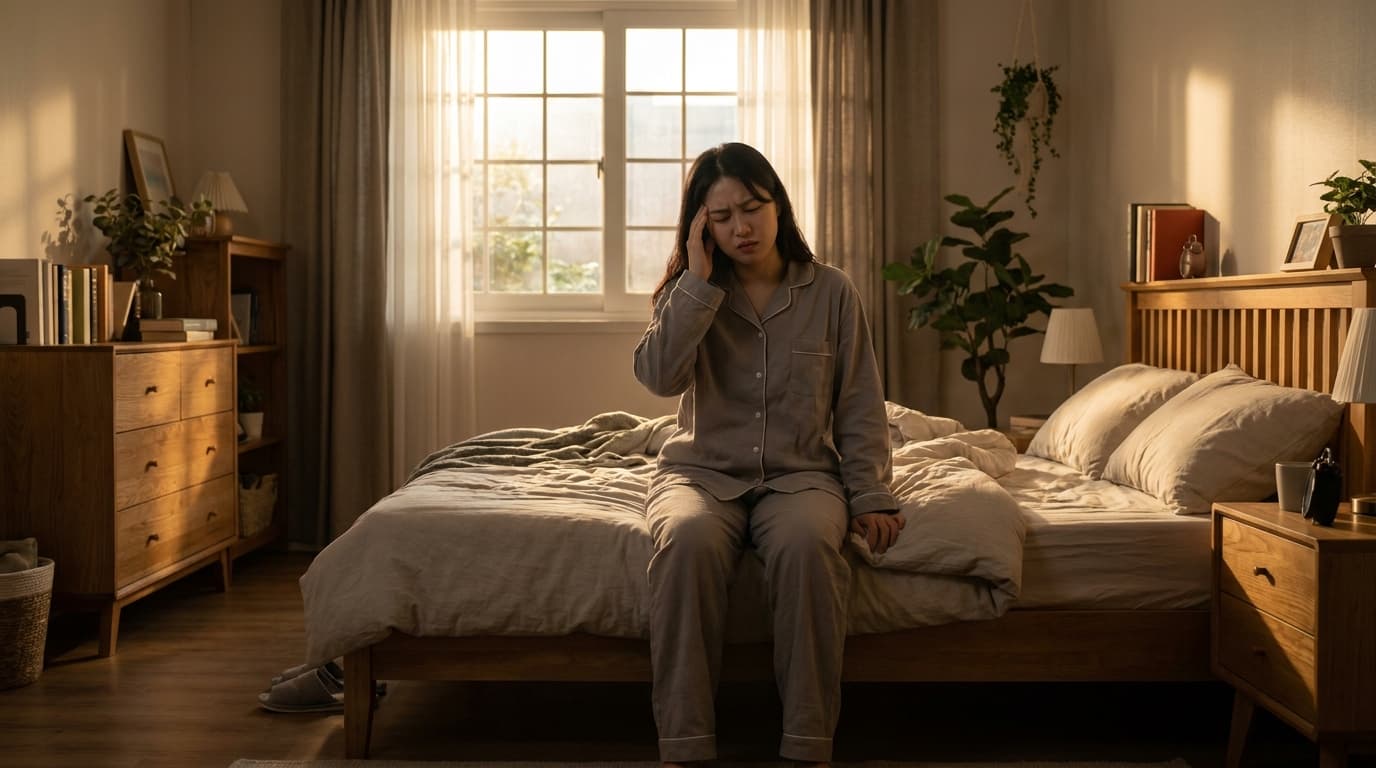
My heart is pounding as if it's about to burst, could it be a sign of anxiety or panic disorder?
Hello, this is Dalimchae Korean Medicine Clinic. # My heart is pounding as if it's about to burst, could it be a sign of anxiety or panic disorder? Have you ever experienced your heart pounding as if it's about to burst during daily life? Even without intense exercise or dangerous situations, a rapid heartbeat and difficulty breathing can fill you with extreme anxiety and fear that it might be a serious illness. When you rush to the hospital for various tests only to be told "everything is normal," the frustration and helplessness only grow. Why does your body feel fine, yet your heart keeps sending strange signals? 💡 **[Key Answer]** Top 3 most common causes of **a heart pounding as if about to burst**: ① **Stress and Anxiety**: Excessive psychological load triggers physical responses. ② **Autonomic Imbalance**: The autonomic nervous system regulating heart rate has lost its balance. ③ **Sleep Deprivation and Lifestyle Habits**: Irregular living makes the autonomic nervous system even more unstable. Dalimchae Korean Medicine Clinic helps relieve brain overload and allows your heart to beat comfortably through **autonomic stabilization**. ## Is a heart pounding as if about to burst simply due to stress? Symptoms like "my heart is pounding" and "my chest feels tight and it's hard to breathe" are deeply connected to stress. However, this is not merely a temporary phenomenon caused by stress. Our body's autonomic nervous system consists of the sympathetic and parasympathetic nervous systems, which regulate heartbeat, blood pressure, and respiration in response to external stimuli or stress. When stress persists, our body remains in a constant state of sympathetic hyperactivity, which affects heart rate regulation and can induce palpitations (heart pounding). Many people find their hearts pounding even more when lying down at night, disturbing their sleep. In the quiet of night, heartbeat sounds are louder, and lying down increases blood flow to the heart, making palpitations feel much stronger. When the autonomic nervous system fails to calm down even at night, anxiety grows further. ## Why do tests come back normal, yet my heart keeps pounding? Many people visit internal medicine for heart pounding, undergo ECG and echocardiograms, and are told they are 'normal'. This means the issue is likely a functional abnormality of the autonomic nervous system rather than a structural heart disease. In Western medicine, when cardiac tests show no abnormalities, it is often termed 'functional cardiac symptoms'. This implies the heart organ is healthy, but the regulating system—the autonomic nervous system—has lost its balance. The autonomic nervous system regulates vital life activities such as heartbeat, breathing, and digestion without conscious control. When this balance is disrupted, various symptoms can appear, such as a racing heart, sudden feeling of heart stoppage, chest tightness, or shortness of breath. This means the heart is excessively excited or failing to relax properly, often accompanied by chronic fatigue, indigestion, dizziness, and anxiety. ## What is the principle by which autonomic imbalance causes chest palpitations? The autonomic nervous system acts as a control tower maintaining body homeostasis. The sympathetic nervous system is like the 'accelerator' and the parasympathetic is the 'brake'. When their balance breaks, the body experiences confusion as if pressing both accelerator and brake simultaneously. Chronic stress, overwork, irregular lifestyle patterns, and lack of sleep excessively activate the sympathetic nervous system, keeping the body constantly tense. This overheated nervous system prevents the brain from resting properly and overloads the heart, becoming the main cause of palpitations. In fact, a 2016 study published in *Neuropsychiatric Disease and Treatment* on anxiety disorder patients showed that patients had significantly lower Heart Rate Variability (HRV) compared to normal individuals (p<0.01). HRV is closely related to autonomic function, and lower scores indicate damaged autonomic function. This demonstrates that anxiety and autonomic imbalance directly affect physical symptoms such as heart palpitations. Furthermore, a 2021 study published in *The Journal of Internal Korean Medicine* reported that administering Gami-ondam-tang to 14 patients with palpitations improved palpitations along with accompanying symptoms such as insomnia, hot flashes, indigestion, and depression. This study suggests that Korean medicine treatment can positively impact overall autonomic function improvement as well as heart palpitations. A 2004 PubMed study evaluating the efficacy of traditional herbal medicine (Ondamtanggamibang) in 40 medical students under exam stress found that the herbal group showed significantly decreased systolic blood pressure, norepinephrine, and cortisol levels, along with positive changes in psychological variables such as anxiety, depression, stress, and emotional state. The researchers concluded that herbal medicine helps stabilize the sympathetic nervous system, reduce blood pressure and catecholamine levels, and alleviate stress and negative psychological symptoms. Based on these data, Dalimchae Korean Medicine Clinic in Incheon provides **autonomic stabilization** treatment to calm excessively excited sympathetic nerves, activate suppressed parasympathetic nerves, and restore autonomic balance. ## The Principle of Dalimchae Korean Medicine Clinic's Autonomic Stabilization Treatment When autonomic balance collapses, the brain cannot rest. When the brain remains overheated, you suffer from heart pounding as well as chronic anxiety, insomnia, dizziness, and headaches. Dalimchae Korean Medicine Clinic views the root of these problems as the imbalance between the brain and autonomic nervous system, focusing on lowering overheated brain heat and creating an environment where the nervous system functions stably. In Korean medicine, this is called 'Suseunghwagang' (water rises, fire descends)—helping body energy circulate by keeping the head cool and the lower body warm. At Dalimchae Korean Medicine Clinic Incheon branch, we prescribe customized herbal medicine tailored to each patient's constitution and symptoms to relax hyperactive sympathetic nerves, strengthen parasympathetic function, and restore autonomic balance. Acupuncture and pharmacopuncture treatments smooth whole-body qi and blood circulation, aiding stress relief and mental stability. This goes beyond mere symptom relief, elevating the body's fundamental resilience to prevent recurrence. Those complaining of headaches, dizziness, or insomnia alongside chest palpitations can experience comprehensive health improvements through autonomic stabilization treatment. ## Chest Palpitations and Anxiety Self-Checklist Count how many of the following apply to you: * Your heart suddenly beats fast or feels irregular. * You frequently feel anxiety or restlessness without special reason. * You have difficulty falling asleep or frequently wake up (poor sleep quality). * Your chest feels tight and breathing feels difficult. * You frequently experience poor digestion or abdominal discomfort. * Your hands and feet feel numb or tremble. * Headaches, dizziness, and decreased concentration accompany you. * You are easily startled by trivial things or easily fatigued. * You have experienced intense fear similar to a panic attack. **Criteria:** * **3 or more apply:** Autonomic imbalance-type chest palpitations are suspected. We recommend a detailed consultation at Dalimchae Korean Medicine Clinic Incheon branch. * **5 or more apply:** Symptoms due to autonomic dysfunction may be in a severe stage. Immediate professional care is recommended at Dalimchae Korean Medicine Clinic Songdo branch. ## FAQ **Q. If chest pounding symptoms are severe, is it definitely panic disorder?** A. Chest pounding (palpitations) is a major symptom of panic disorder, but it does not necessarily mean panic disorder. It can occur due to various causes such as autonomic imbalance, excessive stress, and sleep deprivation, so accurate diagnosis is necessary. **Q. Is treatment necessary even if hospital test results are normal?** A. Yes, it may be necessary. Even if physical tests are normal, the discomfort and decreased quality of life experienced by the patient can be severe. This is likely due to autonomic dysfunction rather than a structural heart problem, and treatment restoring autonomic balance can help. **Q. How is Korean medicine treatment conducted?** A. Dalimchae Korean Medicine Clinic Incheon branch stabilizes hyperactive sympathetic nerves through customized herbal prescriptions matching individual constitution and symptoms, and smooths qi and blood circulation with acupuncture and pharmacopuncture. This restores autonomic balance so the heart beats comfortably, while also improving accompanying anxiety and insomnia. **Q. Can other symptoms besides chest palpitations improve together?** A. Since the autonomic nervous system affects the entire body, improving autonomic imbalance can alleviate various accompanying symptoms such as headaches, dizziness, insomnia, chronic fatigue, indigestion, and anxiety alongside chest palpitations. Just like many visitors to Songdo tinnitus clinics also complain of heart palpitations, multiple symptoms are interconnected. Chest pounding is not a problem that can be resolved by enduring it. You no longer need to ignore the body's signals sent over a long time. Approached in the right direction, the body responds faster than you think. Bring the symptoms you are experiencing as they are. Dalimchae Korean Medicine Clinic will find the cause together. Where life blooms. Herbal medicine is Dalimchae Korean Medicine Clinic. Check symptoms similar to your own through the AI consultation on the Dalimchae Korean Medicine Clinic website! This article is health information organized together by Dalimchae medical staff based on questions frequently received in the consultation room. Medical Supervision | Neurology & Autonomic System Treatment Standard, Dalimchae Korean Medicine Clinic Incheon Branch, Korean Medicine Doctor Yang Yu-chan (Panic Disorder Column)